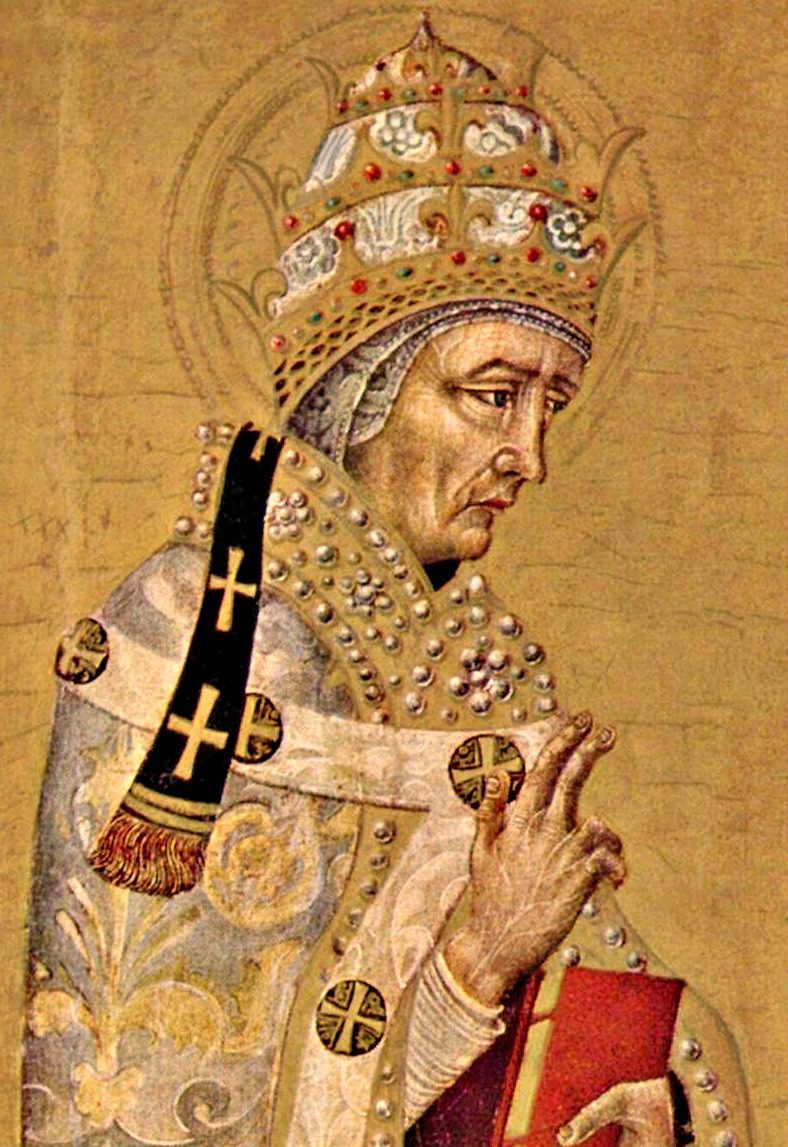
St. Fabian is a significant figure in Christian mythology and history, known for his leadership and dedication to the early Church. He was the bishop of Rome during a tumultuous period of persecution and change. His life and contributions to Christianity are celebrated, particularly for his role in solidifying the faith in a time of great uncertainty. St. Fabian’s story illustrates the challenges faced by early Christians and their unwavering commitment to their beliefs.
Early Life and Background
St. Fabian was born in the early years of the Christian era, around the year 200 AD, in a time when the faith was still in its infancy. Little is known about his early life, but it is believed that he came from a noble family. This noble background may have provided him with the education and resources necessary to rise to prominence within the Church. His early years were marked by the growing tension between the Roman Empire and the burgeoning Christian community, which faced persecution from the authorities.
 St. Eustace
According to tradition, St. Fabian was not initially involved in church leadership. He was a layman who became involved in the Christian community through his devotion and faith. His rise to the position of bishop was somewhat unexpected, as he was chosen by a miraculous sign. During a gathering of bishops to elect a new leader, a dove is said to have descended upon Fabian, signifying that he was the chosen one. This event solidified his role and marked the beginning of his significant contributions to the Church.
Role as Bishop of Rome
St. Fabian served as the bishop of Rome from 236 AD until his martyrdom in 250 AD. His tenure as bishop was marked by a commitment to strengthening the Church and supporting Christians who were facing persecution. He worked tirelessly to provide for the needs of his flock, ensuring that they remained steadfast in their faith during difficult times. Under his leadership, the Church experienced growth, both in terms of membership and influence.
One of the key aspects of St. Fabian’s leadership was his emphasis on unity within the Church. He sought to reconcile differences among various Christian communities and foster a sense of solidarity. This was particularly important during a time when different sects and interpretations of Christianity were emerging. His efforts helped to create a more cohesive Christian identity, which was essential for the survival of the faith in a hostile environment.
 St. Eusebius Of Vercelli
Contributions to the Church
- Strengthening the Faith: St. Fabian worked diligently to fortify the beliefs of Christians in Rome, providing them with the spiritual support they needed to endure persecution.
- Appointment of Bishops: He played a crucial role in appointing bishops to various regions, ensuring that the Church was well-represented and that communities had local leaders to guide them.
- Promotion of Martyrdom: St. Fabian encouraged Christians to remain steadfast in their faith, even in the face of death. He saw martyrdom as a powerful testament to the strength of Christian belief.
St. Fabian’s leadership extended beyond the confines of Rome. He understood the importance of establishing a strong network of bishops throughout the empire. By appointing bishops in different regions, he helped to create a sense of unity among Christians and ensured that they had leaders who could address their spiritual needs. This decentralized approach allowed the Church to flourish, even in areas where persecution was particularly severe.
Persecution and Martyrdom
The reign of Emperor Decius from 249 AD to 251 AD marked a dark period for Christians in the Roman Empire. Decius initiated a systematic campaign to eradicate Christianity, leading to widespread persecution. During this time, St. Fabian remained a steadfast leader, encouraging Christians to remain true to their faith despite the threats they faced. His unwavering commitment to the Church made him a target for the authorities.
 St. Eusebius Of Cremona
Legacy of St. Fabian
- Inspiration for Future Generations: St. Fabian’s martyrdom served as an inspiration for countless Christians who faced persecution throughout history.
- Feast Day: His feast day is celebrated on January 20th, a day dedicated to honoring his life and contributions to the Church.
- Symbol of Unity: St. Fabian is often seen as a symbol of unity within the Christian community, promoting harmony and cooperation among believers.
St. Fabian’s legacy continues to resonate within the Christian faith. His story is a reminder of the sacrifices made by early Christians and the importance of standing firm in one’s beliefs. The Church honors him not only as a martyr but also as a unifying figure who worked tirelessly to strengthen the faith during a time of great adversity. His example serves as a beacon of hope for Christians facing challenges in their own lives.
Historical Context
The early Christian Church was established in a society that was largely hostile to its teachings. During the time of St. Fabian, Christians faced various forms of persecution, including imprisonment, torture, and execution. The Roman Empire, which was known for its religious tolerance, became increasingly intolerant of Christianity as it grew in numbers and influence. This tension created a challenging environment for leaders like St. Fabian, who sought to guide their communities through these turbulent times.
St. Fabian’s tenure coincided with a period of theological development within the Church. As different interpretations of Christianity emerged, the need for strong leadership became apparent. St. Fabian was instrumental in promoting orthodox beliefs and ensuring that the teachings of the Church remained consistent. His efforts helped to lay the groundwork for the future of Christianity, providing a foundation upon which later theologians and leaders would build.
Significant Events during St. Fabian’s Time
- Decian Persecution: The persecution initiated by Emperor Decius had a profound impact on the Christian community, leading to many martyrs and a crisis of faith for some.
- Growth of the Church: Despite the challenges, the Church continued to grow, with many individuals drawn to the faith through the examples of leaders like St. Fabian.
- Development of Church Hierarchy: St. Fabian’s leadership played a crucial role in establishing a more structured hierarchy within the Church, which became essential for its survival.
The challenges faced by St. Fabian and the early Church were immense. However, his steadfastness and dedication to the faith inspired many to persevere. His ability to navigate the complexities of leadership during a time of persecution is a testament to his character and commitment to Christ. St. Fabian’s legacy is a reminder of the resilience of the Christian faith and the importance of strong leadership in times of crisis.
Veneration and Recognition
St. Fabian is venerated as a saint in various Christian traditions, including the Roman Catholic Church, the Eastern Orthodox Church, and some Protestant denominations. His feast day is celebrated on January 20th, a day dedicated to remembering his life and contributions to Christianity. On this day, many Christians reflect on his example and seek to emulate his unwavering faith.
The veneration of St. Fabian is also evident in art and literature. He is often depicted in religious artwork, symbolizing his role as a martyr and leader of the Church. Many churches and cathedrals are named in his honor, serving as a reminder of his contributions to the faith. His story continues to be told and celebrated, ensuring that future generations recognize the importance of his legacy.
Impact on Christian Practices
- Martyrdom: St. Fabian’s example of martyrdom has influenced Christian practices, encouraging believers to remain steadfast in their faith.
- Liturgical Celebrations: His feast day is marked by special liturgical celebrations, emphasizing the significance of his contributions to the Church.
- Patronage: St. Fabian is considered a patron saint of various causes, including the protection of the Church and the promotion of unity among Christians.
Through his life and martyrdom, St. Fabian has left an indelible mark on the Christian faith. His commitment to unity, leadership, and the teachings of Christ serves as a powerful example for believers today. As Christians reflect on his legacy, they are reminded of the importance of faith, courage, and community in the face of adversity.
St. Fabian in Modern Christianity
In modern Christianity, the legacy of St. Fabian continues to inspire believers. His life serves as a reminder of the sacrifices made by early Christians and the importance of standing firm in one’s faith. In a world that often challenges religious beliefs, St. Fabian’s example encourages Christians to remain steadfast in their convictions and to support one another in their spiritual journeys.
Many churches today incorporate the teachings and values exemplified by St. Fabian into their practices. His emphasis on unity and cooperation among Christians is particularly relevant in a time when denominational differences can create divisions. By promoting dialogue and understanding among different Christian communities, the teachings of St. Fabian continue to foster a sense of solidarity and mutual support.
St. Fabian’s Relevance Today
- Encouragement for Persecuted Christians: His story serves as a source of strength for Christians facing persecution around the world, reminding them that they are not alone in their struggles.
- Promotion of Unity: St. Fabian’s commitment to unity is a call for Christians to work together, transcending denominational boundaries to promote the common good.
- Model of Leadership: His example of strong, compassionate leadership serves as a model for church leaders today, emphasizing the importance of serving the community.
As Christians reflect on the life and legacy of St. Fabian, they are reminded of the enduring strength of their faith and the importance of community. His story continues to resonate, encouraging believers to remain committed to their convictions and to support one another in their spiritual journeys. In a world that often challenges faith, St. Fabian’s legacy serves as a beacon of hope and inspiration for all Christians.