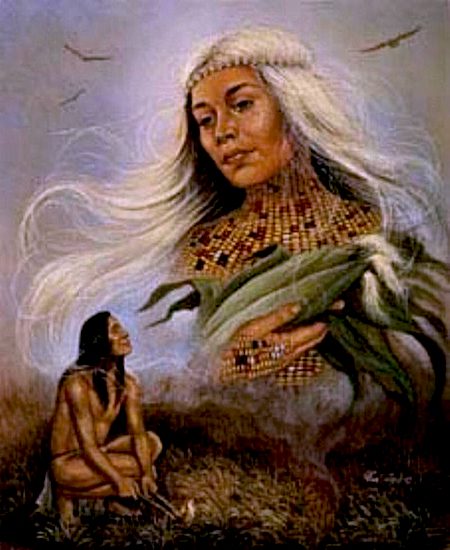
Onatah is a significant figure in Iroquois mythology, representing the earth and agriculture. She is often associated with the growth of crops and the fertility of the land. In the rich tapestry of Iroquois beliefs, Onatah embodies the nurturing aspects of nature, making her a central figure in agricultural practices and seasonal celebrations. Her presence is felt deeply in the rituals that honor the earth and the cycles of life, reflecting the deep connection the Iroquois people have with their environment.
The Role of Onatah in Iroquois Culture
Onatah is often depicted as a motherly figure, symbolizing the nurturing aspects of the earth. In Iroquois culture, she is revered for her ability to provide sustenance through the land. The Iroquois people relied heavily on agriculture, and Onatah’s significance is rooted in their dependence on the earth’s bounty. She is not just a deity of agriculture but also a symbol of life and growth. Her influence extends beyond mere crops; she represents the very essence of nature’s cycles.
 Hinu
HinuIn various Iroquois stories, Onatah is often portrayed as the one who teaches people how to cultivate the land. She shares her knowledge of farming techniques, ensuring that her people have enough food to survive. This teaching aspect emphasizes the importance of community and cooperation in Iroquois society. The knowledge passed down from Onatah is a reminder of the responsibility that comes with caring for the earth and respecting its resources.
Celebrations and Rituals
The Iroquois celebrate Onatah during specific times of the year, particularly during the planting and harvesting seasons. These celebrations are not just about the act of farming but are also spiritual events that honor the earth. The rituals often involve songs, dances, and offerings to Onatah, expressing gratitude for her gifts. During these ceremonies, the community comes together to acknowledge the importance of agriculture in their lives.
- Planting Ceremonies: These rituals take place in the spring, marking the beginning of the planting season.
- Harvest Festivals: Celebrated in the fall, these festivals express gratitude for the year’s crops.
- Thanksgiving Ceremonies: These are held to thank Onatah for her blessings throughout the year.
During the planting ceremonies, the Iroquois perform rituals that include blessing the seeds before they are sown. This act symbolizes a deep respect for the earth and the life it sustains. The community gathers to sing songs that invoke Onatah’s presence, asking for her guidance and protection over the crops. These ceremonies reinforce the connection between the people and the land, highlighting the importance of working in harmony with nature.
 Hahgwehdiyu
Myths and Legends Surrounding Onatah
Onatah is often featured in various myths that explain the origins of crops and the changing seasons. One popular legend describes how she created the first corn, a staple food for the Iroquois people. In this story, Onatah is said to have descended from the sky, bringing with her the knowledge of how to grow corn. This myth emphasizes her role as a provider and protector of the earth’s resources.
Another legend tells of a time when the earth was barren and dry. The people prayed to Onatah for help, and in response, she sent rain and sunlight to revive the land. This story illustrates the belief that Onatah has the power to control the elements, ensuring that the earth remains fertile. Her ability to bring life to the land reinforces her status as a vital deity in Iroquois mythology.
Symbolism of Onatah
Onatah’s symbolism is deeply intertwined with the concepts of fertility and renewal. She is often depicted with symbols of growth, such as corn and other crops. These symbols serve as reminders of the earth’s bounty and the importance of nurturing the land. Onatah’s representation is not limited to physical forms; she embodies the spirit of nature, encouraging people to respect and protect their environment.
 Hahgwehdaetgah
- Fertility: Onatah is a symbol of fertility, representing the earth’s ability to sustain life.
- Growth: Her association with crops highlights the importance of growth and renewal in nature.
- Nurturing: Onatah’s motherly nature reflects the nurturing aspects of the earth.
The Iroquois people often look to Onatah for guidance during challenging times, particularly when faced with drought or poor harvests. Her symbolism serves as a reminder of the need for balance in nature and the importance of working together as a community to ensure the health of the land. By honoring Onatah, the Iroquois express their commitment to preserving the earth and its resources for future generations.
Onatah in Modern Times
Today, Onatah remains an important figure in the cultural practices of the Iroquois people. While many aspects of traditional life have changed, the reverence for Onatah and the earth continues to be a central theme in their beliefs. Modern Iroquois communities often incorporate traditional rituals into their agricultural practices, emphasizing the importance of sustainability and respect for nature.
In contemporary celebrations, Onatah is honored through various events that connect people to their heritage. These events often include traditional foods, dances, and storytelling that highlight the significance of agriculture in Iroquois culture. By celebrating Onatah, the Iroquois reaffirm their identity and their connection to the land, ensuring that the teachings of their ancestors are passed down to future generations.
Environmental Stewardship
The teachings of Onatah also resonate with modern concepts of environmental stewardship. As the world faces challenges related to climate change and resource depletion, the Iroquois perspective on the earth’s care becomes increasingly relevant. Onatah’s emphasis on nurturing the land serves as a reminder of the importance of sustainable practices. The Iroquois approach to agriculture, which emphasizes harmony with nature, can offer valuable insights for contemporary environmental efforts.
- Sustainable Farming: The Iroquois promote farming practices that protect the land and its resources.
- Community Involvement: Modern celebrations of Onatah encourage community participation in environmental initiatives.
- Education: Teaching younger generations about Onatah fosters a sense of responsibility towards the earth.
By honoring Onatah, the Iroquois people not only celebrate their heritage but also advocate for a sustainable future. The lessons learned from Onatah’s stories inspire a deeper understanding of the interconnectedness of life and the importance of protecting the earth for generations to come. This ongoing relationship with Onatah reflects a commitment to honoring the past while actively engaging in the present and future.
The Significance of Agriculture in Iroquois Society
Agriculture holds a central place in Iroquois society, and Onatah’s role as the goddess of the earth emphasizes this significance. The Iroquois traditionally practiced a form of agriculture known as three sisters farming, which involves planting corn, beans, and squash together. This method not only maximizes crop yields but also reflects the principles of cooperation and balance that Onatah embodies.
The three sisters are often viewed as a metaphor for community, with each plant supporting the others in growth. Corn provides a tall structure for beans to climb, beans enrich the soil with nitrogen, and squash spreads out to prevent weeds. This harmonious relationship mirrors the Iroquois values of unity and collaboration, showcasing how agriculture is deeply embedded in their cultural identity.
Impact on Daily Life
The impact of Onatah and agriculture on daily life in Iroquois communities is profound. The agricultural calendar dictates many aspects of life, from the timing of ceremonies to social gatherings. The changing seasons guide the rhythms of daily activities, reinforcing the connection between the people and the land. This cyclical nature of life is a key aspect of Iroquois philosophy, with Onatah serving as the guiding force behind these cycles.
- Seasonal Activities: Planting and harvesting seasons dictate community events and gatherings.
- Cultural Traditions: Many traditions are tied to agricultural practices and the reverence for Onatah.
- Food Security: The reliance on agriculture underscores the importance of sustainability and food security.
Through Onatah’s teachings, the Iroquois have developed a deep understanding of the land and its cycles. This knowledge is crucial for ensuring food security and maintaining a healthy relationship with nature. The lessons learned from Onatah continue to influence agricultural practices, emphasizing the importance of respecting the earth and its resources.
Conclusion of Onatah’s Influence
Onatah’s influence extends beyond mythology and rituals; she is a symbol of resilience and adaptability. As the Iroquois navigate the challenges of modern life, her teachings serve as a guiding light, reminding them of the importance of sustainability and community. The ongoing reverence for Onatah highlights the enduring connection between the Iroquois people and the land, reinforcing their commitment to preserving their cultural heritage and the environment.
As we look to the future, the lessons of Onatah remain relevant. Her emphasis on nurturing the earth and fostering community ties can inspire broader movements towards environmental stewardship and sustainable living. By honoring Onatah, the Iroquois not only celebrate their past but also pave the way for a more sustainable and harmonious future.