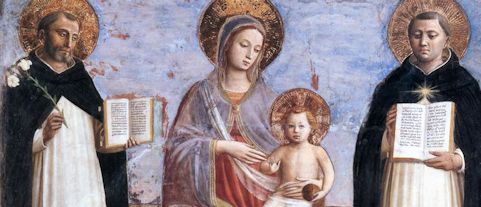
St. John of Fiesole, also known as Fra Angelico, is a significant figure in Christian mythology and art history. His contributions to the Renaissance period are profound, particularly in the realm of religious painting. Born around 1395 in the region of Fiesole, Italy, his work reflects a deep devotion to his faith and an extraordinary talent for capturing the divine. As a member of the Dominican Order, Fra Angelico dedicated his life to God, and this commitment is evident in the serene beauty and spiritual depth of his paintings. His ability to blend religious themes with artistic excellence has made him a beloved figure among both art lovers and the Christian community.
The Early Life of St. John of Fiesole
Fra Angelico’s early life is a tapestry woven with the threads of faith and artistry. Born as Guido di Pietro, he was the son of a family that lived in the small town of Fiesole, which overlooks Florence. From a young age, it was clear that he had a talent for drawing and painting. His early education likely included studies in the local workshops where he was introduced to the techniques of the time. This environment fostered his artistic skills and instilled a sense of religious fervor that would later define his works. His transition from a young artist to a devoted monk is a fascinating aspect of his life.
In his late teens, Guido di Pietro joined the Dominican Order, adopting the name Fra Giovanni, which later evolved into Fra Angelico. This decision marked a pivotal moment in his life, as he dedicated himself to a life of prayer, study, and artistic creation. His dual commitment to his faith and art became a defining characteristic of his work. The influence of his monastic life is apparent in the themes he chose to explore in his paintings, often depicting scenes from the Bible and the lives of saints. This profound connection between his spirituality and artistry set him apart from his contemporaries.
The Artistic Style of Fra Angelico
Fra Angelico’s artistic style is characterized by its spirituality and attention to detail. His use of color, light, and composition creates a sense of harmony and tranquility that invites viewers to contemplate the divine. One of the most striking aspects of his work is the use of gold leaf, which adds a luminous quality to his paintings. This technique was common in religious art of the time, but Fra Angelico’s application of it was particularly masterful. The gold not only enhances the visual appeal but also symbolizes the heavenly light and the divine presence within the artwork.
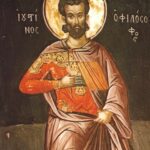 St. Justin Martyr
Another hallmark of Fra Angelico’s style is his ability to convey emotion through the expressions of his figures. Each face in his paintings tells a story, reflecting a range of feelings from joy to sorrow. This emotional depth allows viewers to connect with the subjects on a personal level. Additionally, his compositions are often filled with symbolism, where every element has a purpose and meaning, contributing to the overall narrative of the piece. The combination of these artistic techniques results in works that are both visually stunning and spiritually enriching.
Notable Works of Fra Angelico
Fra Angelico created numerous masterpieces throughout his lifetime, each one a testament to his skill and devotion. One of his most famous works is the Annunciation, which depicts the angel Gabriel announcing to the Virgin Mary that she will conceive the Son of God. This painting is celebrated for its serene beauty and the intricate details of the architecture and nature surrounding the figures. The way he captures the moment of divine intervention is both profound and moving, inviting viewers to reflect on the significance of this event.
Another remarkable work is the Last Judgment, located in the Museum of San Marco in Florence. This fresco is a grand depiction of the final judgment of souls, showcasing the separation of the blessed and the damned. The scale and complexity of this work demonstrate Fra Angelico’s ability to handle large compositions while maintaining clarity and focus. Each figure is carefully rendered, and the use of light and shadow adds depth and drama to the scene. This piece exemplifies the artist’s commitment to conveying religious themes with both beauty and seriousness.
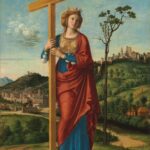 St. Helena
Other Noteworthy Paintings
- The Crucifixion – A powerful representation of Christ’s sacrifice, filled with emotion and symbolism.
- The Virgin and Child with Angels – A tender portrayal of Mary and Jesus, showcasing love and protection.
- Saints in Glory – A vibrant fresco celebrating the lives of saints, filled with color and movement.
Each of these works, along with many others, contributes to Fra Angelico’s legacy as one of the greatest painters of the Renaissance. His ability to blend art and spirituality has left an indelible mark on the world of religious art. The impact of his work extends beyond the walls of churches and museums; it continues to inspire and uplift those who encounter it.
The Influence of Fra Angelico on Later Artists
Fra Angelico’s influence on later artists is profound and far-reaching. His unique approach to religious themes and his mastery of color and composition set a standard that many sought to emulate. Artists such as Michelangelo and Raphael were inspired by Fra Angelico’s ability to convey spirituality through art. They admired his attention to detail and his ability to create a sense of divine presence in his works.
The impact of Fra Angelico can also be seen in the way he handled light and shadow. His techniques laid the groundwork for the developments in chiaroscuro that would dominate the High Renaissance. Artists began to explore the emotional and dramatic potential of light, following in the footsteps of Fra Angelico. His legacy is not only evident in the works of his contemporaries but also in the generations of artists who came after him.
The Legacy of St. John of Fiesole
Fra Angelico’s legacy as St. John of Fiesole extends beyond his artistic contributions. He is remembered not only for his paintings but also for his profound faith and dedication to the Dominican Order. His life serves as an example of how art can be a vehicle for expressing spirituality and connecting with the divine. The integration of his religious beliefs into his art allows viewers to experience a sense of transcendence and contemplation.
In recognition of his impact on both art and religion, Fra Angelico was beatified by Pope John Paul II in 1982. This acknowledgment reflects the significance of his life and work within the Christian tradition. His paintings continue to be studied and revered, serving as a bridge between the sacred and the artistic. The museums and churches that house his works are pilgrimage sites for those seeking to experience the beauty and spirituality of his art.
Fra Angelico in Contemporary Culture
In contemporary culture, Fra Angelico’s work continues to resonate with audiences around the world. His paintings are featured in major art exhibitions, and his influence can be seen in various forms of media, from literature to film. The themes of divine beauty and spiritual reflection that permeate his art are timeless and relevant in today’s society. Artists and creators draw inspiration from his ability to merge the sacred with the aesthetic, creating works that seek to capture the essence of the divine.
Moreover, Fra Angelico’s life story serves as a reminder of the power of faith and dedication. His journey from a young artist to a revered painter and monk inspires many to pursue their passions while staying true to their beliefs. In a world where art often serves commercial purposes, Fra Angelico’s commitment to creating for the glory of God stands as a beacon of integrity and purpose.
In examining the life and work of St. John of Fiesole, we gain insight into the intersection of art and spirituality. Fra Angelico’s ability to convey deep religious themes through his paintings has solidified his place in history as a master artist and a devoted monk. His legacy continues to inspire and uplift, reminding us of the beauty that can be found in the expression of faith through art.