
St. Flavius Marcellinus is a notable figure in Christian mythology, revered for his contributions to the early Church. His life and legacy provide insight into the struggles and triumphs of Christians during a time of great change. Understanding St. Flavius Marcellinus requires delving into the historical context of his era, his works, and the impact he had on the development of Christian thought. Through this exploration, we can appreciate the depth of his influence and the reverence in which he is held by many.
Historical Context
The time of St. Flavius Marcellinus was marked by significant political and religious upheaval. The early Church faced persecution from various Roman authorities, which created a challenging environment for believers. Many Christians were forced to practice their faith in secret, while others suffered martyrdom for their beliefs. This atmosphere of fear and resilience shaped the character of early Christian leaders, including Marcellinus. His experiences were reflective of the broader struggles faced by Christians of his time, making his story particularly compelling.
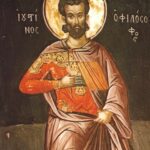 St. Justin Martyr
During this period, the Roman Empire was transitioning from a polytheistic society to one that began to embrace Christianity. This shift was not smooth, as many traditionalists resisted the growing influence of the Christian faith. St. Flavius Marcellinus lived during a time when the Church was trying to establish itself amidst opposition. His role as a leader and a thinker was crucial in guiding the faithful through these turbulent times.
Life and Legacy
St. Flavius Marcellinus was born into a society where the Christian faith was not yet fully accepted. His early life was likely spent in a community where he learned about the teachings of Christ and the importance of faith. As he grew older, he became more involved in the Church, taking on leadership roles that would eventually lead him to become a respected figure among his peers. His commitment to the Christian doctrine and his ability to articulate its principles made him a valuable asset to the early Church.
One of the most significant aspects of Marcellinus’s legacy is his role in promoting Christian unity. He worked tirelessly to bring together different factions within the Church, emphasizing the need for harmony among believers. This focus on unity was essential during a time when theological disputes could easily fracture communities. Marcellinus’s efforts to foster dialogue and understanding among Christians were crucial in ensuring the Church’s survival and growth.
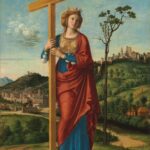 St. Helena
Theological Contributions
St. Flavius Marcellinus made several important theological contributions that have had a lasting impact on Christian thought. His writings often focused on the nature of God, the role of Jesus Christ, and the significance of the Holy Spirit. He sought to clarify complex theological concepts for the layperson, making them more accessible to a broader audience. This was particularly important in a time when many Christians were still grappling with the fundamental tenets of their faith.
One of Marcellinus’s most notable theological positions was his emphasis on the Trinity. He articulated the relationship between the Father, Son, and Holy Spirit in a way that resonated with many believers. By explaining the Trinity in simple terms, he helped to demystify a concept that had been a source of confusion for many. His teachings on the Trinity contributed to a more profound understanding of God and solidified the Church’s teachings on this fundamental aspect of faith.
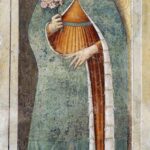 St. Fina
Key Theological Concepts
- The Nature of God: Marcellinus emphasized God’s omnipotence and omnipresence, explaining how these attributes shaped the Christian understanding of the divine.
- The Role of Jesus Christ: He articulated the significance of Jesus’s sacrifice and resurrection, underscoring the importance of redemption for all believers.
- The Holy Spirit: Marcellinus highlighted the role of the Holy Spirit in guiding and empowering Christians, fostering a deeper relationship between believers and God.
St. Flavius Marcellinus and Christian Martyrdom
Christian martyrdom is a central theme in the history of the Church, and St. Flavius Marcellinus’s life intersected with this important aspect of Christian identity. During his time, many Christians faced the threat of persecution, and martyrdom was seen as a profound act of faith. Marcellinus himself was deeply influenced by the stories of those who had given their lives for their beliefs, and he often spoke about the importance of steadfastness in the face of adversity.
Marcellinus’s teachings on martyrdom encouraged believers to remain faithful, even when faced with dire circumstances. He emphasized that martyrdom was not just a physical act but also a spiritual commitment to living out one’s faith authentically. This perspective inspired many Christians to embrace their beliefs more passionately, knowing that their commitment could lead to ultimate sacrifice.
Impact on Christian Communities
The influence of St. Flavius Marcellinus extended beyond his lifetime, shaping the development of Christian communities for generations to come. His teachings and writings served as a foundation for many early Christian thinkers who sought to expand upon his ideas. The emphasis he placed on unity and the importance of community within the Church resonated with believers and helped to foster a sense of belonging among Christians.
In addition to his theological contributions, Marcellinus’s commitment to social justice and care for the marginalized was a hallmark of his ministry. He advocated for the rights of the poor and the oppressed, urging the Church to take an active role in addressing societal issues. This focus on social responsibility became a defining characteristic of many Christian communities that sought to embody the teachings of Christ in their actions.
Marcellinus’s Legacy in Modern Christianity
- Emphasis on Unity: Many modern Christian denominations continue to prioritize unity among believers, reflecting Marcellinus’s teachings.
- Social Justice Advocacy: The Church’s involvement in social justice initiatives can be traced back to early leaders like Marcellinus.
- Theological Education: His efforts to simplify complex theological concepts paved the way for more accessible religious education.
Conclusion of St. Flavius Marcellinus’s Influence
St. Flavius Marcellinus remains a significant figure in Christian mythology, embodying the resilience and dedication of early Christians. His life and teachings continue to inspire believers today, reminding them of the importance of faith, unity, and social responsibility. The legacy of Marcellinus is a testament to the enduring power of faith in shaping communities and guiding individuals on their spiritual journeys.
Through his writings and actions, St. Flavius Marcellinus carved a path for future generations of Christians, encouraging them to embrace their beliefs with courage and conviction. His story serves as a reminder of the sacrifices made by early believers and the ongoing journey of the Church in its quest for truth and understanding. The impact of Marcellinus’s life is felt in the hearts of many, making him a revered figure in the annals of Christian history.