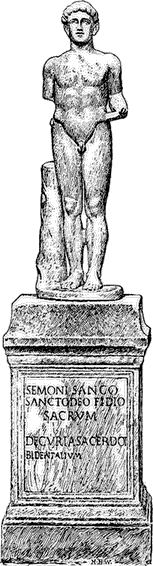
Dius-fidus is a term that emerges from the rich tapestry of Roman mythology. It refers to a deity or divine figure that embodies the concept of being ‘faithful’ or ‘trustworthy.’ This term, although not as widely recognized as other deities in the Roman pantheon, plays a significant role in understanding the broader context of Roman religious beliefs and practices. In this article, we will explore the significance of Dius-fidus, the attributes associated with this deity, and how these concepts were woven into the fabric of daily Roman life.
The Concept of Faithfulness in Roman Culture
In Roman culture, the idea of faithfulness was not merely a personal virtue but a societal expectation. Romans placed great importance on loyalty, whether in personal relationships, political alliances, or religious practices. Dius-fidus symbolizes this ideal, serving as a reminder to the people of Rome about the importance of being true to one’s word and commitments. The Romans believed that their society thrived on mutual trust, and deities like Dius-fidus were invoked to ensure that individuals remained steadfast in their duties and promises.
 Egeria
Moreover, the concept of faithfulness extended beyond human relationships to include the bond between humans and the divine. Romans believed that honoring the gods and maintaining a faithful relationship with them was crucial for prosperity and protection. In this context, Dius-fidus served as a guardian of loyalty and fidelity, ensuring that individuals upheld their obligations to both their fellow citizens and the gods.
Dius-fidus in Religious Practices
The worship of Dius-fidus was often intertwined with various religious rituals and ceremonies. Romans would perform specific rites to honor this deity, asking for his blessings in matters of trust and fidelity. These rituals often included offerings, prayers, and invocations, which were aimed at securing Dius-fidus’s favor. The act of making these offerings was a demonstration of the individual’s commitment to living a life of integrity and faithfulness.
In many cases, these religious practices would take place in public spaces, such as temples or altars dedicated to various gods. By participating in these communal rituals, Romans reinforced their collective values of loyalty and trust. This communal aspect of worship also served to strengthen social bonds among citizens, as they came together to honor their shared beliefs and values.
 Egestes
Attributes and Symbols of Dius-fidus
Dius-fidus is often depicted with specific attributes that symbolize his nature as a deity of faithfulness. Common symbols associated with Dius-fidus include the laurel wreath, which represents victory and honor, and the key, symbolizing access and trust. These symbols serve to remind worshippers of the qualities they should aspire to embody in their own lives. The laurel wreath, for example, signifies not just victory in battle but also triumph in personal integrity and commitment.
Additionally, Dius-fidus is sometimes associated with the goddess Fortuna, who embodies luck and fortune. This connection highlights the belief that faithfulness can lead to favorable outcomes in life. Romans believed that by being loyal and trustworthy, they could invoke the blessings of Fortuna, thus enhancing their chances of success in various endeavors.
Dius-fidus in Literature and Art
The figure of Dius-fidus appears in various literary works and artistic representations throughout Roman history. Poets and writers often referenced this deity to underscore themes of loyalty and fidelity in their narratives. For instance, in some of the works of Ovid, the concept of faithfulness is explored through the lens of love and relationships, drawing on the ideals represented by Dius-fidus.
 Empanda
In art, Dius-fidus may be depicted in frescoes or sculptures, often accompanied by other deities or symbols of loyalty. These artistic representations serve not only as a means of honoring the deity but also as a visual reminder of the values that were central to Roman society. Through these works, the importance of being faithful to one’s commitments was reinforced in both public and private spaces.
The Role of Dius-fidus in Roman Society
Dius-fidus played a crucial role in shaping the moral framework of Roman society. The emphasis on faithfulness and loyalty was evident in various aspects of life, from politics to personal relationships. Politicians often invoked the name of Dius-fidus when making promises to the electorate, highlighting their commitment to serving the public faithfully. This connection between the deity and political integrity underscores the idea that faithfulness was a virtue expected not only in personal matters but also in governance.
In personal relationships, the ideals embodied by Dius-fidus were reflected in the expectations of marriage and family life. Romans believed that faithfulness was essential to maintaining strong familial bonds. Marriages were often seen as sacred commitments, and the presence of Dius-fidus in these unions served as a reminder of the importance of loyalty and fidelity to one’s partner.
The Influence of Dius-fidus on Modern Interpretations
Today, the legacy of Dius-fidus can still be felt in modern interpretations of faithfulness and loyalty. While the deity may not be widely recognized, the values associated with him continue to resonate in contemporary society. Concepts of trust, fidelity, and commitment are still highly regarded in personal relationships, business practices, and governance. The teachings of Dius-fidus remind us that being trustworthy and loyal is essential for building strong and lasting connections.
Furthermore, the exploration of Dius-fidus in academic studies of Roman mythology provides valuable insights into the cultural and societal norms of ancient Rome. Scholars continue to analyze the role of this deity within the broader context of Roman religion, shedding light on how faithfulness was intertwined with various aspects of daily life. This ongoing interest in Dius-fidus demonstrates the enduring relevance of these ancient concepts in understanding human relationships and societal structures.
Dius-fidus represents a fascinating aspect of Roman mythology that emphasizes the importance of faithfulness and loyalty. Through rituals, literature, and art, this deity served as a reminder to Romans of the virtues that were essential for a harmonious society. The values associated with Dius-fidus continue to resonate today, highlighting the timeless nature of trust and fidelity in human relationships. As we explore the rich history of Roman mythology, the legacy of Dius-fidus remains a testament to the enduring significance of these ideals.