
Aibell is a fascinating figure in Irish mythology. She is often associated with the otherworld and is considered one of the most prominent fairy queens in Irish folklore. Aibell’s tales are filled with magic, beauty, and the ethereal qualities that are characteristic of the fairies in Irish culture. Many stories portray her as a guardian of the mystical lands, where she rules over the fairy folk and interacts with mortals in various ways. Her presence in these stories often serves as a reminder of the connection between the human world and the magical realms that lie just beyond our perception.
Origins of Aibell
The origins of Aibell can be traced back to ancient Irish traditions, where the lines between the mortal world and the supernatural were often blurred. Aibell is frequently mentioned in the context of the Tuatha Dé Danann, a race of supernatural beings in Irish mythology known for their magical powers and their connection to the land. These beings were believed to have come from the Otherworld, a mystical realm that was often depicted as a paradise, filled with beauty and enchantment. Aibell, as a member of this race, embodies the essence of this Otherworld, serving as a bridge between the two realms.
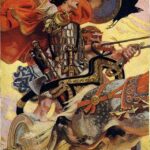 Aí Mac Ollamain
Aibell is often associated with the fairy mounds or sidhe, which are ancient burial sites that were believed to be gateways to the Otherworld. According to legend, those who entered these mounds could encounter Aibell and her court of fairies. This connection to the land and its sacred sites highlights her role as a protector of the ancient traditions and the spirits of the earth. In this way, Aibell not only represents the beauty and allure of the fairy world but also the deep-rooted connection that the Irish people have with their landscape.
Aibell’s Characteristics
Aibell is often described as a stunningly beautiful woman with long flowing hair and a graceful demeanor. Her beauty is said to be enchanting, capable of captivating anyone who lays eyes on her. She is sometimes depicted wearing a gown made of shimmering fabrics that reflect the colors of the seasons, symbolizing her connection to nature and the changing world around her. This ethereal beauty is a hallmark of fairy queens in Irish mythology, who often embody the ideals of grace, elegance, and charm.
In addition to her beauty, Aibell is known for her wisdom and her deep understanding of the magical forces that govern the Otherworld. She possesses knowledge that transcends the mortal experience, allowing her to navigate the complexities of both the fairy realm and the human world. Aibell is often portrayed as a benevolent figure, using her wisdom to guide those who seek her help. This aspect of her character reinforces the idea that the fairies, while magical and mysterious, can also be kind and nurturing.
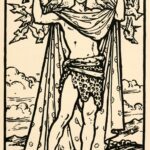 Aengus
Aibell in Folklore
Aibell appears in various folklore tales throughout Ireland, each showcasing different aspects of her character and her interactions with humans. One popular story tells of a mortal who, while wandering in the woods, encounters Aibell and is drawn to her beauty. She offers him a chance to join her in the Otherworld, but he must choose wisely, as the fairy realm is not without its dangers. This tale highlights the allure of the fairy world and the temptations that come with it, as well as the consequences of choices made in the face of enchantment.
Another well-known story involves Aibell helping a lost traveler find his way home. In this tale, she uses her magical abilities to create a path through the forest, guiding the traveler safely back to his village. This narrative emphasizes Aibell’s role as a protector and helper, showcasing her nurturing nature and her desire to assist those in need. Such stories serve as a reminder of the importance of kindness and the idea that, even in the face of danger, there is always a glimmer of hope.
The Symbolism of Aibell
Aibell’s character is rich in symbolism, representing various themes that are prevalent in Irish mythology. One of the most significant aspects of her symbolism is the connection to nature. As a fairy queen, Aibell embodies the beauty and harmony of the natural world, reminding people of the importance of respecting and preserving their environment. Her association with the changing seasons further emphasizes this connection, as she is often seen as a guardian of the earth’s cycles.
 Áed
ÁedAnother important symbol associated with Aibell is the concept of transformation. The stories in which she appears often involve characters undergoing significant changes, whether through personal growth or magical transformations. This theme reflects the idea that change is an inherent part of life and that embracing it can lead to new opportunities and experiences. Aibell, as a figure of transformation, encourages individuals to be open to the possibilities that life presents, even when they come in unexpected forms.
Aibell’s Legacy
The legacy of Aibell extends beyond the stories of her life and interactions with humans. She has become a symbol of Irish culture and heritage, representing the rich tapestry of folklore that has been passed down through generations. Her tales continue to be told and retold, captivating audiences with their enchanting narratives and timeless themes. Aibell serves as a reminder of the importance of storytelling in preserving cultural identity and the shared values that bind communities together.
In modern times, Aibell’s influence can be seen in various forms of art, literature, and popular culture. Many contemporary authors and artists draw inspiration from her character, weaving her essence into their works. This ongoing fascination with Aibell reflects the enduring appeal of Irish mythology and the way it continues to resonate with people today. As society evolves, Aibell remains a powerful figure, embodying the magic and wonder that lies at the heart of human experience.
Aibell in Modern Culture
Today, Aibell’s image and stories have found their way into various aspects of modern culture, from literature to visual arts. Many authors have incorporated her character into their works, exploring themes of magic, beauty, and the intersection between the human world and the Otherworld. Her stories are often used as metaphors for personal growth, transformation, and the quest for knowledge, making her a relevant figure even in contemporary narratives.
Additionally, Aibell’s legacy is celebrated in festivals and events throughout Ireland, where people gather to honor the rich traditions of their ancestors. These celebrations often include storytelling, music, and dance, all of which serve to keep the spirit of Aibell alive. Such events foster a sense of community and connection to the past, allowing individuals to engage with their cultural heritage in meaningful ways.
Aibell remains a captivating figure in Irish mythology, embodying the beauty, magic, and mystery of the fairy realm. Her stories continue to inspire and enchant, serving as a testament to the enduring power of folklore and the importance of cultural identity. Through her legacy, Aibell invites us to explore the depths of our imagination and to recognize the magic that exists in the world around us.