
Baraqijal is a figure that often appears in the context of fallen angels. He is known for his unique characteristics and the roles he plays within various mythologies and religious texts. The concept of fallen angels itself is intriguing, as it revolves around beings who were once part of the heavenly realm but chose to rebel against divine authority. Baraqijal’s story is intertwined with themes of rebellion, knowledge, and redemption, making him a fascinating subject for study.
Origins of Baraqijal
The origins of Baraqijal can be traced back to ancient texts and traditions. He is often associated with the Book of Enoch, a collection of ancient Jewish apocalyptic writings. This book provides insights into the lives of the fallen angels, known as the Watchers, and their interactions with humanity. Baraqijal is mentioned as one of these Watchers, who descended to Earth to impart knowledge to humankind.
 Barbatos
In the context of the Book of Enoch, Baraqijal is said to have taught people about the secrets of the heavens. His teachings were not limited to celestial knowledge; he also revealed the mysteries of nature and the arts. This aspect of his character highlights the duality of his role as both a teacher and a rebel. While his intentions might have been noble, the consequences of his actions led to significant upheaval.
The Watchers and Their Fall
- The Watchers were angels sent to observe humanity.
- They became enamored with human women and descended to Earth.
- Their actions resulted in the birth of the Nephilim, a race of giants.
- God became displeased with their rebellion and cast them out of heaven.
The story of the Watchers serves as a backdrop for understanding Baraqijal’s role. His desire to share knowledge with humanity was seen as a direct challenge to divine authority. This act of defiance ultimately led to his downfall. The Watchers, including Baraqijal, were punished for their transgressions, which illustrates the complex nature of their existence. They were not purely evil; rather, they were beings caught in a struggle between loyalty and curiosity.
Baraqijal’s Teachings
Baraqijal’s teachings are often regarded as a double-edged sword. On one hand, he provided valuable insights into the workings of the universe. He shared knowledge about astronomy, astrology, and the natural world. This knowledge empowered humans, allowing them to understand their place in the cosmos. However, it also led to unintended consequences, as humanity began to exploit this knowledge for selfish purposes.
 Bathin
One of the most significant aspects of Baraqijal’s teachings is his emphasis on the importance of balance. He believed that knowledge should be used wisely and that understanding the universe comes with responsibilities. Unfortunately, many of his followers failed to heed this warning. Instead of using their newfound wisdom for the greater good, they often succumbed to greed and ambition, which resulted in chaos.
Key Areas of Knowledge
- Astronomy: Understanding celestial bodies and their movements.
- Astrology: Interpreting the influence of stars on human affairs.
- Nature: Learning about the earth, plants, and animals.
In addition to these areas, Baraqijal also touched upon moral and ethical considerations. He encouraged his followers to reflect on their actions and consider the broader implications of their choices. This moral aspect of his teachings is often overlooked, as many focus solely on the sensational elements of his story. Baraqijal’s legacy is not just one of rebellion but also one of wisdom and reflection.
The Consequences of Baraqijal’s Actions
The consequences of Baraqijal’s actions were profound and far-reaching. After the Watchers, including Baraqijal, descended to Earth, their presence had a significant impact on human society. The Nephilim, the offspring of these fallen angels and human women, were often described as giants who possessed extraordinary abilities. Their existence caused turmoil and conflict among humans, leading to a world filled with strife.
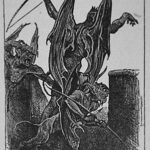 Beelzebub
As humanity grappled with the implications of Baraqijal’s teachings, it became clear that the knowledge imparted by the fallen angels came with a heavy price. Instead of fostering harmony, it often led to division and chaos. The divine punishment that followed the Watchers’ rebellion served as a cautionary tale, reminding humanity of the potential dangers that come with unchecked knowledge.
Divine Punishment
- The Watchers were bound and cast into the abyss.
- The Nephilim faced destruction during the Great Flood.
- Baraqijal and others became symbols of caution in religious texts.
In many ways, Baraqijal’s story reflects the ongoing struggle between knowledge and wisdom. While knowledge can empower individuals, it can also lead to destructive outcomes if not tempered with ethical considerations. This theme resonates throughout history, as societies have often grappled with the consequences of their advancements.
Symbolism of Baraqijal
Baraqijal’s symbolism is rich and multifaceted. He represents the idea of forbidden knowledge—the notion that some truths are too powerful for humanity to wield responsibly. His character embodies the tension between enlightenment and downfall, highlighting the risks associated with seeking knowledge without understanding its implications.
Furthermore, Baraqijal serves as a reminder of the complexities of morality. His actions, while rebellious, were driven by a desire to enlighten humanity. This duality raises questions about the nature of good and evil, suggesting that the lines between them are often blurred. Baraqijal’s legacy challenges us to consider the ethical dimensions of our pursuits and the responsibilities that come with knowledge.
Key Symbolic Themes
- Forbidden Knowledge: The dangers of seeking truth without wisdom.
- Duality: The coexistence of good and evil within individuals.
- Responsibility: The obligation to use knowledge wisely.
In literature and art, Baraqijal has been portrayed in various ways, often reflecting the cultural attitudes towards knowledge and rebellion. His image has evolved over time, from a mere symbol of defiance to a complex figure representing the struggle for enlightenment amidst the risks of hubris.
Modern Interpretations of Baraqijal
In contemporary society, the figure of Baraqijal continues to resonate with audiences. He is often invoked in discussions about science, technology, and the ethical dilemmas they present. As we advance in fields such as artificial intelligence and genetic engineering, the lessons from Baraqijal’s story become increasingly relevant.
Many modern thinkers draw parallels between Baraqijal’s teachings and the challenges faced by humanity today. The rapid pace of technological advancement raises questions about the ethical implications of our discoveries. Just as Baraqijal warned of the consequences of knowledge without wisdom, contemporary society grapples with similar dilemmas.
Contemporary Themes
- The ethical implications of technological advancements.
- The need for responsible stewardship of knowledge.
- The balance between progress and moral considerations.
Moreover, Baraqijal’s narrative serves as a cautionary tale for those who seek knowledge without considering the broader impact of their actions. In a world where information is readily accessible, the challenge lies in discerning which knowledge is beneficial and which may lead to unintended consequences. This ongoing dialogue about knowledge and responsibility is a testament to Baraqijal’s enduring relevance.
Baraqijal in Literature and Popular Culture
Baraqijal’s story has inspired various works of literature and art, reflecting the fascination with fallen angels and the complexities of their existence. In many literary pieces, he is portrayed as a tragic figure, caught between the desire to enlighten humanity and the consequences of his actions. This duality makes him a compelling character, allowing writers to explore themes of rebellion, knowledge, and morality.
In popular culture, Baraqijal has been referenced in films, television shows, and even video games. His character often embodies the archetype of the tragic hero, someone who seeks to do good but ultimately faces dire consequences. These portrayals contribute to the ongoing exploration of the fallen angel motif, which resonates with audiences seeking to understand the complexities of human nature.
Influence on Modern Storytelling
- Exploration of fallen angel themes in various genres.
- Character development based on Baraqijal’s duality.
- Reflection on the nature of knowledge and its consequences.
As storytelling continues to evolve, Baraqijal’s influence can be seen in the way characters grapple with moral dilemmas and the consequences of their choices. His legacy serves as a reminder that the pursuit of knowledge is fraught with challenges, and that wisdom is essential in navigating the complexities of life.
The Legacy of Baraqijal
The legacy of Baraqijal is one that transcends time and culture. His story serves as a reminder of the intricate relationship between knowledge and responsibility. As humanity continues to push the boundaries of understanding, Baraqijal’s teachings remain relevant, urging us to reflect on the ethical implications of our pursuits.
In a world where information is abundant and easily accessible, the lessons derived from Baraqijal’s narrative become increasingly significant. The challenge lies in balancing the thirst for knowledge with the need for ethical considerations. Baraqijal’s legacy encourages individuals to approach knowledge with humility and a sense of responsibility, recognizing that with great power comes great accountability.
Reflections on Knowledge and Ethics
- The importance of ethical considerations in knowledge acquisition.
- Lessons learned from Baraqijal’s story about responsibility.
- The ongoing relevance of fallen angel narratives in contemporary discussions.
Ultimately, Baraqijal’s story invites us to engage in critical reflection about our choices and their consequences. As we navigate an ever-changing world, his legacy serves as a guiding light, reminding us that the pursuit of knowledge should always be accompanied by a commitment to wisdom and ethical responsibility.