
Danu is a prominent figure in Irish mythology, often regarded as a mother goddess associated with fertility, the earth, and the ancient Tuatha Dé Danann. Her name is believed to derive from the word “danu,” meaning “to flow” or “to run,” which ties her to rivers and water. Danu is sometimes equated with the land itself, representing the connection between nature and the divine. She is often depicted as a nurturing figure who provides sustenance and protection to her people. The stories surrounding Danu are rich and varied, reflecting the deep cultural significance she holds in Irish lore.
The Origins of Danu
The origins of Danu are somewhat shrouded in mystery, as with many ancient deities. She is considered one of the oldest goddesses in Irish mythology, potentially predating the arrival of the Celts in Ireland. Danu is frequently associated with the Tuatha Dé Danann, a supernatural race in Irish mythology who are said to have descended from her. This connection implies that she was not only a goddess but also the matriarch of a divine lineage. Some scholars believe that her worship may have originated in pre-Celtic times, linking her to the ancient fertility rites practiced by early inhabitants of Ireland.
 Dagda
DagdaIn many myths, Danu is depicted as a powerful figure whose influence extends beyond the mortal realm. She is often portrayed as the goddess of the earth, embodying the fertility of the land. This connection to the earth is significant, as it highlights her role in sustaining life and promoting growth. Danu’s presence is felt in the rivers, mountains, and fields of Ireland, making her an integral part of the landscape. The reverence for her can be seen in the naming of various places in Ireland, such as the River Danube, which is believed to be named after her.
Danu and the Tuatha Dé Danann
The Tuatha Dé Danann are perhaps the most famous mythological figures associated with Danu. They are depicted as a race of god-like beings with supernatural powers, often seen as the guardians of Ireland. According to myth, they arrived in Ireland from the distant land of Four Cities, bringing with them advanced knowledge of magic, crafts, and the arts. Danu is considered their mother, symbolizing the nurturing aspect of the earth and the divine. Her influence over the Tuatha Dé Danann is evident in their abilities to manipulate nature and their connection to the land.
The stories of the Tuatha Dé Danann often emphasize their battles against other races, particularly the Milesians, who are said to be the ancestors of the modern Irish people. In these tales, Danu’s children, including well-known figures such as Lugh and Brigid, play crucial roles in defending their homeland. Danu’s legacy is not only tied to her own stories but also to the heroic deeds of her offspring, who embody her strength and wisdom. This connection reinforces the idea that she is a source of power and inspiration for the Tuatha Dé Danann.
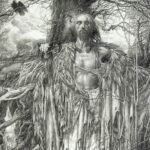 Amairgin
Danu in Folklore and Legends
Danu appears in various legends and folklore, often embodying themes of fertility, wisdom, and protection. In many stories, she is depicted as a benevolent figure who watches over her children and the land. Her presence is often felt during important agricultural cycles, such as planting and harvest, where her blessings are sought for bountiful yields. The rituals dedicated to her may have included offerings of food and drink, symbolizing gratitude for the sustenance she provides.
In addition to her nurturing role, Danu is also associated with the otherworld, a mystical realm inhabited by the Tuatha Dé Danann. This connection to the otherworld highlights her status as a goddess of transition, guiding souls and protecting the boundaries between the mortal and divine realms. In many tales, she is portrayed as a wise figure who imparts knowledge and guidance to those who seek her counsel. This aspect of Danu emphasizes her role as a source of wisdom and enlightenment, making her an important figure in the spiritual landscape of Irish mythology.
Symbols and Representations of Danu
Danu is often represented through various symbols that embody her essence. One of the most significant symbols associated with her is water, particularly rivers and springs. Water is a vital source of life and nourishment, and its flowing nature reflects Danu’s connection to fertility and abundance. In Irish culture, rivers are often seen as sacred, and many are believed to be imbued with the spirit of Danu herself. This connection underscores her role as a goddess who sustains life and fosters growth in the natural world.
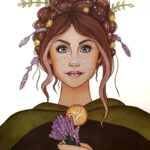 Airmid
Another important symbol linked to Danu is the sheaf of grain, representing agriculture and the bounty of the earth. Grain is a fundamental food source, and its association with Danu reinforces her role as a provider. In some depictions, she is shown holding a cornucopia, symbolizing abundance and prosperity. These representations highlight the deep respect and reverence that the ancient Irish people had for Danu as a life-giving force.
Danu’s Influence on Modern Culture
Although the worship of Danu has largely faded over the centuries, her influence can still be seen in modern culture. Many contemporary interpretations of Irish mythology continue to honor her legacy, often portraying her as a powerful and nurturing figure. In literature, art, and popular culture, Danu is sometimes invoked as a symbol of feminine strength and resilience. Her stories resonate with those who seek to connect with their roots and explore the rich tapestry of Irish heritage.
Additionally, Danu has found a place in modern spiritual practices, particularly among those interested in paganism and neo-druidry. Many practitioners honor her as a goddess of the earth, invoking her blessings during rituals that celebrate nature and the changing seasons. This revival of interest in ancient deities reflects a growing desire to reconnect with the natural world and honor the traditions of the past. Danu’s enduring presence in contemporary spirituality highlights her timeless appeal and the universal themes she embodies.
Festivals and Celebrations
In ancient times, various festivals were dedicated to Danu, celebrating her role as a goddess of fertility and abundance. These festivals often coincided with agricultural cycles, such as the spring equinox and the harvest season. During these times, communities would come together to honor Danu through rituals and offerings, seeking her blessings for a fruitful year. The festivities typically included feasting, music, and dance, creating a sense of unity and gratitude among the people.
- Spring Equinox: Celebrated as a time of renewal and growth, this festival honored Danu as the goddess of fertility, marking the beginning of the planting season.
- Harvest Festival: Held at the end of the growing season, this celebration expressed gratitude for the bountiful harvest, with offerings made to Danu for her sustenance.
- Winter Solstice: Although not directly associated with Danu, this time of reflection and rest also acknowledged the earth’s cycles and the goddess’s nurturing role.
These festivals served not only as a way to honor Danu but also as an opportunity for communities to come together and strengthen their bonds. The rituals performed during these celebrations were often deeply rooted in the agricultural practices of the time, reflecting the close relationship between the people and the land. Although many of these traditions have diminished over time, the essence of these celebrations continues to inspire modern gatherings that honor the earth and its cycles.
Danu and Other Mythological Figures
Danu’s role in Irish mythology places her in connection with various other deities and mythological figures. One of her most notable children is Lugh, a prominent god associated with skills, crafts, and the arts. Lugh is often depicted as a hero who embodies the qualities of intelligence and bravery, traits that can be traced back to his mother, Danu. Their relationship emphasizes the idea of a divine lineage, where the qualities of the mother are reflected in her offspring.
Another important figure connected to Danu is Brigid, the goddess of poetry, healing, and fertility. Brigid is often seen as a counterpart to Danu, sharing similar attributes of nurturing and protection. Together, they represent the dual aspects of feminine power in Irish mythology, where Danu embodies the earth and Brigid symbolizes the arts and creativity. This relationship between the two goddesses highlights the interconnectedness of various deities within the mythological framework, illustrating how they complement and support one another.
The Legacy of Danu
The legacy of Danu endures in the hearts and minds of those who cherish Irish mythology. Her stories serve as a reminder of the ancient beliefs and practices that shaped the cultural landscape of Ireland. The reverence for Danu reflects a deep appreciation for nature and the cycles of life, emphasizing the importance of nurturing and protecting the earth. In a modern context, her legacy inspires individuals to connect with their heritage and explore the timeless themes of fertility, wisdom, and strength.
Furthermore, Danu’s influence can be seen in the ongoing interest in mythology and folklore, where her stories continue to captivate audiences. As people seek to understand their roots and explore the rich tapestry of human experience, the tales of Danu provide a lens through which to view the complexities of life and the natural world. Her enduring presence in literature, art, and spiritual practices underscores the significance of mythology in shaping cultural identity and fostering a sense of belonging.
Danu in Contemporary Spirituality
In contemporary spirituality, Danu is often embraced as a goddess of the earth and nature. Many modern practitioners of paganism and Wicca honor her as a symbol of fertility and abundance, invoking her blessings during rituals that celebrate the changing seasons. This revival of interest in ancient deities reflects a growing desire to reconnect with nature and honor the traditions of the past. Danu’s role as a nurturing figure resonates with those seeking to cultivate a deeper relationship with the earth and its cycles.
Additionally, Danu’s influence can be seen in the growing popularity of eco-spirituality, where individuals seek to integrate their spiritual beliefs with environmental consciousness. Her association with fertility and the earth makes her a fitting symbol for those advocating for sustainability and ecological preservation. In this context, Danu serves as a reminder of the importance of caring for the land and recognizing the interconnectedness of all living beings.
Artistic Representations of Danu
The figure of Danu has inspired countless artistic representations throughout history. From ancient carvings to contemporary paintings, artists have sought to capture her essence and convey her significance in Irish mythology. Many depictions emphasize her connection to nature, often portraying her surrounded by lush landscapes, flowing rivers, and vibrant flora. These images serve to highlight her role as a goddess of fertility and abundance, celebrating the beauty of the natural world.
In modern art, Danu is often depicted as a powerful and nurturing figure, embodying the strength and resilience of women. Artists may choose to represent her in various forms, from traditional representations to more abstract interpretations that emphasize her connection to the earth and the divine. These artistic expressions reflect the ongoing fascination with Danu and her enduring legacy in the cultural consciousness.
Through the exploration of Danu’s origins, her connection to the Tuatha Dé Danann, and her enduring influence in modern culture, it becomes clear that she is a significant figure in Irish mythology. Danu’s representation as a goddess of fertility, wisdom, and protection highlights the deep reverence the ancient Irish people had for the natural world and the cycles of life. Her legacy continues to inspire individuals today, serving as a reminder of the importance of nurturing and honoring the earth. As we delve into the rich tapestry of Irish mythology, Danu stands as a powerful symbol of the interconnectedness of all living beings and the enduring power of the feminine divine.