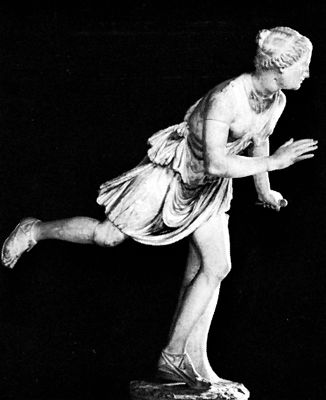
Atalanta is a fascinating character from Greek mythology. She is often depicted as a strong and independent woman, known for her incredible speed and hunting skills. Her story is filled with themes of feminism, strength, and the struggle against societal norms. Atalanta’s life and adventures provide insight into the role of women in ancient Greece, where they were often expected to conform to traditional roles. Her legacy continues to inspire discussions about gender and empowerment even today.
The Birth and Early Life of Atalanta
Atalanta was born to a king named Iasus, who desperately wanted a son. According to legend, when she was born, he was so disappointed that he abandoned her on a mountainside. This act of abandonment was a common theme in Greek myths, where the fates of characters often hinged on their parents’ actions. However, Atalanta was not left to perish. A group of bears found her and raised her as one of their own. This upbringing among wild animals contributed to her remarkable hunting abilities and physical prowess.
 Ate
AteAs she grew older, Atalanta became known for her speed and agility. She was often seen as a fierce and independent figure, defying the expectations of women in her society. Unlike many women of her time, who were expected to marry and bear children, Atalanta chose a life of adventure and exploration. Her early experiences shaped her into a skilled hunter, and she gained a reputation for being one of the best in the land.
Atalanta and the Hunt
One of the most famous stories involving Atalanta is her participation in the Calydonian Boar Hunt. This event was organized to kill a monstrous boar that was ravaging the land of Calydon. The hunt attracted many of the greatest heroes of the time, including Hercules and Theseus. Despite being a woman, Atalanta insisted on joining the hunt, showcasing her determination to prove herself among the men.
During the hunt, Atalanta’s skills were on full display. She was the first to wound the boar, which earned her the respect of the other hunters. This moment was significant, as it demonstrated that women could be just as brave and capable as men. After the boar was killed, Atalanta’s role in the hunt was often overlooked by the male heroes, but she received recognition from the goddess Diana, who favored her for her prowess.
 Athamas
Lessons from the Calydonian Boar Hunt
- Equality: Atalanta’s participation in the hunt illustrates the idea that women can excel in traditionally male-dominated activities.
- Recognition: Despite her skills, Atalanta’s contributions were often minimized, highlighting the struggle for recognition faced by women.
- Empowerment: Atalanta’s story encourages women to pursue their passions, regardless of societal expectations.
Atalanta and the Suitors
Another significant aspect of Atalanta’s story is her relationship with suitors. Despite her talents and independence, Atalanta’s father insisted that she marry. To avoid this fate, she devised a challenge: any suitor who wished to marry her must outrun her in a race. If they lost, they would face dire consequences. This challenge was both a clever strategy and a testament to her confidence in her abilities.
Many suitors attempted to win her hand, but none succeeded. Atalanta’s speed was unmatched, and she easily defeated each challenger. However, her fate changed with the arrival of Meleager, a hero who was determined to win her love. He sought the help of the goddess Aphrodite, who fell in love with him and granted him a golden apple. This apple became a pivotal part of the race.
The Race and the Golden Apple
- Strategy: Meleager understood that to win, he needed to distract Atalanta. He threw the golden apple during the race.
- Desire: The golden apple symbolized love and desire, which added a layer of complexity to the race.
- Outcome: Atalanta, intrigued by the apple, slowed down to pick it up, allowing Meleager to win the race.
The Consequences of Winning
After winning the race, Meleager and Atalanta were united, but their story did not end happily. Meleager’s family was not pleased with the union, and a series of tragic events unfolded. The tension between love and familial loyalty created a dramatic narrative, showcasing the complexities of relationships in Greek mythology. Atalanta’s story reflects the challenges faced by women who sought independence and love in a society that often limited their choices.
 Athena
Ultimately, Meleager was killed due to a family feud, leaving Atalanta heartbroken. This tragic ending serves as a reminder of the harsh realities faced by many characters in Greek myths. Atalanta’s story, while showcasing her strength and independence, also highlights the vulnerability that comes with love and relationships. Her journey reflects the broader themes of struggle, loss, and resilience.
Atalanta in Later Culture
Atalanta’s legacy has endured through the ages, influencing various forms of art and literature. She has been depicted in numerous works, ranging from ancient texts to modern interpretations. Her character has become a symbol of female empowerment, challenging the norms of her time and inspiring generations of women to embrace their strength.
In contemporary culture, Atalanta is often referenced in discussions about gender equality and women’s rights. Her story resonates with those who advocate for women’s independence and autonomy. The themes of her life—strength, defiance, and resilience—continue to inspire artists, writers, and activists alike. Atalanta serves as a reminder that women can break free from societal constraints and carve their paths.
Atalanta in Literature and Art
Throughout history, Atalanta has been featured in various literary works. Ancient poets like Hesiod and Ovid wrote about her exploits, ensuring that her story was passed down through generations. In these works, Atalanta is often portrayed as a complex character, embodying both strength and vulnerability. Her adventures have been adapted into plays, poems, and stories, highlighting her significance in Greek mythology.
Artists have also drawn inspiration from Atalanta, depicting her in paintings and sculptures. These artistic representations often emphasize her athleticism and beauty, capturing the essence of her character. From the Renaissance to modern art, Atalanta’s image has evolved, but her core attributes—strength and independence—remain central to her portrayal. These artistic interpretations continue to celebrate her legacy and influence.
Modern Interpretations of Atalanta
- Feminist Literature: Many contemporary writers have reimagined Atalanta’s story, focusing on her independence and strength.
- Film and Theater: Atalanta’s character has been adapted into films and theatrical productions, bringing her story to new audiences.
- Art Exhibitions: Modern artists have created works inspired by Atalanta, exploring themes of gender and empowerment.
The Symbolism of Atalanta
Atalanta represents more than just a mythological figure; she symbolizes the struggle for autonomy and equality. Her character challenges traditional gender roles, showcasing that women can be just as strong, skilled, and independent as men. This symbolism has made her an enduring figure in discussions about women’s rights and empowerment.
The themes of Atalanta’s story resonate in various aspects of modern society. Her defiance against societal expectations mirrors the challenges faced by many women today. By embracing her individuality and pursuing her passions, Atalanta serves as a role model for those who seek to challenge the status quo. Her story encourages women to embrace their strengths and pursue their dreams, regardless of societal limitations.
Lessons from Atalanta’s Journey
Atalanta’s journey offers several valuable lessons that remain relevant today. Her story teaches us about the importance of self-determination and the power of resilience. Despite facing numerous obstacles, Atalanta remained true to herself and her values. This commitment to her identity serves as an inspiration for individuals striving to navigate their paths in life.
Additionally, Atalanta’s experiences highlight the significance of recognition and respect for women’s contributions. Her story reminds us that acknowledging and celebrating the achievements of women is crucial in fostering equality. By understanding and sharing Atalanta’s legacy, we can promote a more inclusive narrative that values the voices and experiences of women throughout history.
Conclusion: The Enduring Legacy of Atalanta
Atalanta’s story is a testament to the strength and resilience of women throughout history. Her character challenges societal norms and inspires discussions about gender equality. From her early life as an abandoned child to her adventures as a skilled hunter, Atalanta’s journey reflects the complexities of love, loss, and independence. As her legacy continues to influence modern culture, Atalanta remains a powerful symbol of female empowerment and the fight for autonomy.