
Asmodeus is one of the most recognized names in the realm of fallen angels. Known for his significant role in various religious and mythological texts, Asmodeus embodies a complex character often associated with lust, greed, and chaos. His origins can be traced back to ancient cultures, where he was often depicted as a powerful demon or spirit. This article delves into the many facets of Asmodeus, exploring his background, characteristics, and the impact he has had on literature and culture.
Origins of Asmodeus
The origins of Asmodeus are steeped in ancient mythology. He is often linked to the Zoroastrian tradition, where he was considered one of the principal demons, embodying chaos and destruction. In Zoroastrian texts, Asmodeus is known as Aeshma, a spirit of wrath and fury. His transformation from a spirit of chaos to a prominent figure in Judeo-Christian demonology showcases the evolution of his character through different cultural lenses.
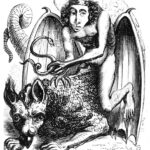 Astaroth
In Jewish mythology, Asmodeus is prominently featured in the Book of Tobit, where he is depicted as a demon responsible for killing seven husbands of Sarah before Tobias, the protagonist, is able to defeat him. This narrative highlights Asmodeus’s association with lust and the havoc he wreaks in the lives of mortals. The portrayal of Asmodeus in this context reflects the broader themes of temptation and the struggle between good and evil.
Asmodeus’s representation as a demon also extends to Christian texts, where he is often linked with the deadly sin of lust. His character has been interpreted in various ways, often symbolizing the darker aspects of human nature. This transformation from a spirit of chaos to a demon of lust illustrates the complexities of his character and the moral lessons embedded in the stories surrounding him.
Characteristics of Asmodeus
Asmodeus is often depicted with distinct characteristics that set him apart from other demons. He is frequently described as having a grotesque appearance, which may include features such as a serpent-like body, multiple heads, or even the ability to shapeshift. These physical traits symbolize his connection to chaos and the supernatural, reinforcing his role as a powerful adversary in various narratives.
 Azael
AzaelIn addition to his physical attributes, Asmodeus is known for his cunning intelligence. He is not merely a brute force but rather a strategist who uses deception and manipulation to achieve his goals. This aspect of his character is particularly evident in the tales where he outsmarts mortals, leading them into traps of desire and vice. His intelligence makes him a formidable foe, as he often exploits the weaknesses of those around him.
Asmodeus’s associations with various sins also contribute to his character. He embodies greed, lust, and wrath, making him a representation of humanity’s darker impulses. These associations have led to his portrayal as a tempter, leading individuals away from righteousness and into a life of vice. His ability to influence human behavior highlights the moral lessons embedded in the stories about him, serving as a warning against succumbing to temptation.
Asmodeus in Literature
Asmodeus has made significant appearances in various literary works throughout history. His character has inspired writers and poets, leading to a rich tapestry of interpretations across cultures and eras. In literature, Asmodeus often serves as a symbol of the eternal struggle between good and evil, reflecting humanity’s ongoing battle with its darker impulses.
 Azazel
One notable example of Asmodeus in literature is in the Grimoire of Pope Honorius, where he is described as a powerful demon who can provide insights into hidden knowledge. This text showcases his role as a figure of temptation and power, emphasizing the allure of forbidden knowledge. The portrayal of Asmodeus in this context reflects the fascination with the occult and the desire to harness supernatural forces for personal gain.
Another important work that features Asmodeus is the Inferno by Dante Alighieri. Although not explicitly named, the characteristics of Asmodeus resonate throughout the text, particularly in the depiction of the sins of lust and greed. Dante’s exploration of the consequences of succumbing to these sins aligns with the moral lessons associated with Asmodeus, reinforcing the idea that indulgence in such desires leads to spiritual ruin.
Asmodeus in Popular Culture
In modern times, Asmodeus has continued to capture the imagination of artists and creators. His character has appeared in various forms of popular culture, including movies, television shows, and video games. These contemporary portrayals often draw upon the traditional attributes of Asmodeus while adapting them to fit new narratives and themes.
One prominent example of Asmodeus in popular culture is in the animated television series “Supernatural”. In this show, Asmodeus is depicted as a powerful demon with a complex personality, embodying both charm and malevolence. This portrayal highlights the duality of his character, showcasing him as both a tempter and a formidable adversary. The series draws upon the traditional lore surrounding Asmodeus while adding depth and complexity to his character.
Additionally, Asmodeus has made appearances in various video games, where he is often portrayed as a boss character or a powerful entity that players must confront. These representations emphasize his role as a symbol of temptation and evil, challenging players to overcome their own darker impulses. The inclusion of Asmodeus in gaming reflects the enduring fascination with his character and the themes he represents.
The Symbolism of Asmodeus
The character of Asmodeus is rich in symbolism, representing various themes that resonate with human experiences. One of the most prominent symbols associated with Asmodeus is temptation. His role as a tempter highlights the struggle individuals face when confronted with desires that lead them astray. This theme is universal, as it reflects the internal conflicts that many people experience in their lives.
Another significant aspect of Asmodeus’s symbolism is his association with sin. As a representation of lust and greed, Asmodeus embodies the darker aspects of human nature that can lead to moral decay. This association serves as a reminder of the consequences of succumbing to these impulses, reinforcing the idea that the pursuit of such desires can lead to personal and spiritual ruin.
Furthermore, Asmodeus symbolizes the idea of chaos. His presence in various narratives often signifies disruption and disorder, challenging the established norms and moral codes of society. This chaotic nature serves as a cautionary tale, warning against the dangers of allowing chaos to take root in one’s life. The symbolism of Asmodeus encourages individuals to reflect on their choices and the potential consequences of their actions.
Asmodeus in Religious Contexts
Asmodeus holds a significant place in various religious contexts, particularly in Judaism and Christianity. In Jewish tradition, he is often regarded as a powerful demon who embodies the forces of evil. His role in the Book of Tobit serves as a cautionary tale about the dangers of lust and the consequences of straying from the path of righteousness. This narrative reinforces the moral lessons associated with Asmodeus, emphasizing the importance of resisting temptation.
In Christianity, Asmodeus is often linked with the concept of sin and temptation. His portrayal as a demon associated with lust aligns with the teachings of the Church, which warns against the dangers of indulging in sinful desires. The figure of Asmodeus serves as a reminder of the eternal struggle between good and evil, encouraging believers to remain vigilant in their faith and resist the allure of temptation.
Moreover, Asmodeus’s representation in religious texts has contributed to the broader understanding of fallen angels. As a fallen angel himself, Asmodeus embodies the consequences of rebellion against divine order. His story serves as a cautionary tale about the dangers of pride and the consequences of turning away from the light. This religious context adds depth to his character, highlighting the moral implications of his actions and their impact on humanity.
Asmodeus in Art
The character of Asmodeus has inspired countless artists throughout history, leading to a diverse array of artistic interpretations. In visual art, Asmodeus is often depicted in a way that emphasizes his grotesque features and chaotic nature. Artists frequently use vivid colors and dramatic compositions to convey the sense of danger and temptation associated with his character.
One notable example of Asmodeus in art is found in the works of the Baroque painter Peter Paul Rubens. His paintings often depict scenes of lust and chaos, reflecting the themes associated with Asmodeus. Rubens’s use of dynamic movement and rich colors enhances the emotional impact of his work, capturing the essence of Asmodeus as a symbol of temptation and moral conflict.
Additionally, Asmodeus has been portrayed in various sculptures and installations, where artists explore the themes of sin and chaos through three-dimensional forms. These works often challenge viewers to confront their own desires and the consequences of indulgence. The representation of Asmodeus in art serves as a powerful reminder of the complexities of human nature and the ongoing struggle between good and evil.
Conclusion of Asmodeus’s Legacy
Asmodeus’s legacy continues to resonate across cultures and generations. His character serves as a powerful symbol of temptation, chaos, and the darker aspects of human nature. Through various interpretations in literature, art, and popular culture, Asmodeus remains a compelling figure that challenges individuals to reflect on their own desires and the moral implications of their choices. The enduring fascination with Asmodeus highlights the complexities of the human experience and the eternal struggle between good and evil.