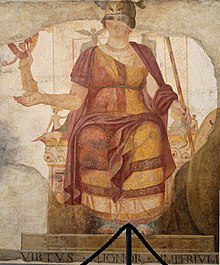
In Roman mythology, Calva is often associated with the themes of transformation and rebirth. The term itself can refer to various concepts within the mythological framework, particularly regarding the nature of gods and their influence on human lives. The Romans had a rich tapestry of gods and goddesses, each with distinct personalities and stories. Understanding Calva requires delving into the broader context of Roman beliefs and the roles that various deities played in daily life.

The Significance of Calva in Roman Culture
Calva is not just a standalone figure but is part of a larger narrative that includes numerous deities and mythical stories. In Roman culture, the gods were believed to interact closely with humans, influencing their destinies and the natural world. The concept of Calva embodies the essence of change and the cyclical nature of life, which was a prevalent theme in Roman thought. This connection between the divine and the mortal was crucial for the Romans, as it shaped their understanding of existence.
The Romans often sought favor from their gods through rituals and sacrifices. Calva, as a symbol of transformation, could represent the hope for change in one’s fortune or the desire for personal growth. Romans believed that by honoring the gods associated with Calva, they could invoke their blessings for a better life. This interplay between humans and the divine illustrates the significance of Calva within the broader spectrum of Roman mythology.
Calva and Transformation
Transformation is a central theme associated with Calva. In Roman mythology, transformation often symbolizes a shift from one state of being to another, whether it be physical, emotional, or spiritual. This idea resonates with various myths that depict gods changing forms or humans undergoing significant life changes. For instance, many stories recount how gods would take on different shapes to interact with mortals or to teach them lessons.
 Candelifera
One of the most famous examples of transformation in Roman mythology is the tale of Metamorphoses by Ovid. In this work, numerous characters experience profound changes, often as a result of divine intervention. These transformations can be seen as metaphors for personal growth, resilience, and the ability to adapt to new circumstances. Calva embodies this essence of transformation, serving as a reminder that change is an inevitable part of life.
Examples of Transformation in Roman Myths
- Lycaon: A king who was transformed into a wolf for his impiety.
- Daphne: A nymph who was transformed into a laurel tree to escape Apollo’s advances.
- Actaeon: A hunter who was turned into a stag after accidentally seeing Artemis bathing.
These stories highlight the multifaceted nature of transformation in Roman mythology. Calva, as a symbol of this theme, encourages individuals to embrace change and recognize its potential for growth. The Romans understood that transformation could be both a blessing and a curse, and they often sought to navigate these changes with the guidance of their deities.
The Role of Calva in Rituals and Worship
In ancient Rome, rituals and worship were integral to maintaining a favorable relationship with the gods. Calva, representing transformation, would have played a role in various ceremonies aimed at invoking change or seeking divine assistance. These rituals often included offerings, prayers, and festivals dedicated to specific deities. The Romans believed that through these acts of devotion, they could influence the gods and, in turn, their own lives.
 Canens
One common practice involved making votive offerings, which were gifts given to the gods in gratitude or in hopes of receiving a favor. These offerings could include food, flowers, or even crafted objects symbolizing the desired change. By dedicating these items to Calva, worshippers sought to align themselves with the transformative power associated with this concept.
Types of Rituals Related to Transformation
- Rites of Passage: Celebrating significant life events such as birth, marriage, and death.
- Harvest Festivals: Honoring the gods for a bountiful harvest and the promise of renewal.
- New Year Celebrations: Marking the transition into a new year and the hope for fresh beginnings.
These rituals illustrate how the Romans actively engaged with the idea of transformation in their worship practices. By acknowledging Calva through these ceremonies, they expressed their desires for change and growth, both individually and collectively. This connection between rituals and the transformative aspects of mythology reinforced the belief that the gods were intricately involved in the lives of mortals.
Calva in Art and Literature
The influence of Calva extends beyond rituals and worship; it is also present in Roman art and literature. Artists and writers often drew inspiration from the themes of transformation and rebirth, using Calva as a symbol of these concepts. This representation can be seen in various forms of art, including sculptures, paintings, and mosaics, which depict scenes of metamorphosis or divine intervention.
In literature, poets and playwrights explored the idea of transformation through their characters and narratives. The works of authors like Virgil and Ovid often included elements of change, highlighting the struggles and triumphs of their characters as they navigated their journeys. Calva serves as a backdrop for these stories, emphasizing the significance of transformation in the human experience.
Notable Works Featuring Transformation
- Metamorphoses by Ovid: A collection of myths focused on transformation.
- The Aeneid by Virgil: Explores themes of change and destiny.
- Heroides by Ovid: Letters from mythical heroines reflecting on their transformations.
These works not only entertain but also provoke thought about the nature of change and its impact on individuals. Calva, as a symbol of transformation, becomes a lens through which readers can examine their own experiences and the changes they encounter in life. The artistic representations of Calva further solidify its importance within the realm of Roman mythology.
The Legacy of Calva in Modern Culture
The themes associated with Calva continue to resonate in modern culture, reflecting the timeless nature of transformation. Many contemporary works of art, literature, and film draw upon the ideas of change and rebirth that are deeply rooted in Roman mythology. The concept of Calva serves as a reminder that transformation is a universal experience, transcending time and cultural boundaries.
In modern literature, authors often explore the complexities of personal growth and the challenges that come with change. These narratives echo the stories of transformation found in ancient Roman myths, illustrating how the human experience remains fundamentally the same. The legacy of Calva lives on through these stories, reminding us of the power of transformation in our lives.
Examples of Modern Interpretations of Transformation
- Literature: Novels that explore character development and personal growth.
- Film: Movies that depict journeys of self-discovery and transformation.
- Art: Contemporary artworks that symbolize change and renewal.
These modern interpretations demonstrate the enduring relevance of Calva and its themes. As society continues to evolve, the stories of transformation remain pertinent, offering insights into the human condition and the ever-present potential for change.
Conclusion: Embracing Transformation
Calva, as a symbol of transformation in Roman mythology, encourages us to embrace the changes that life presents. The stories, rituals, and artistic representations associated with Calva highlight the significance of transformation in our lives. By understanding and appreciating this concept, we can navigate the complexities of our own journeys, finding strength and resilience in the face of change. The legacy of Calva reminds us that transformation is not only inevitable but also a vital part of the human experience.