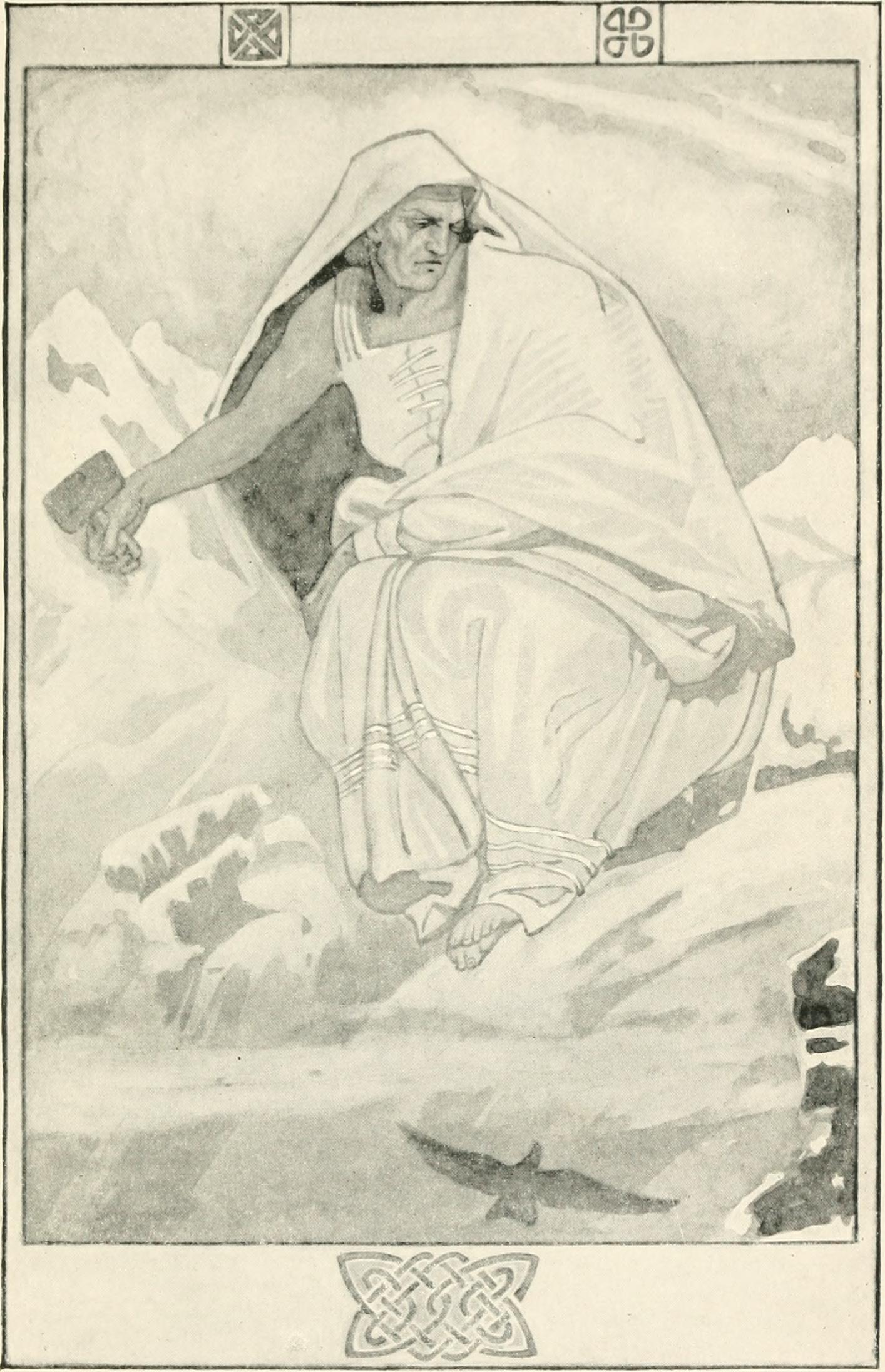
The Cailleach is a prominent figure in Irish mythology, often recognized as a powerful and ancient goddess associated with winter and the harshness of nature. She embodies the spirit of the land and is seen as a creator and destroyer, reflecting the duality of life. The Cailleach is not just a singular entity; she is a representation of the seasonal changes that affect the landscape of Ireland. Her stories are intertwined with the geography and culture of the Irish people, showcasing how deeply mythology is embedded in their understanding of nature.
The Origins of Cailleach
The origins of the Cailleach can be traced back to ancient Celtic beliefs. She is often regarded as one of the oldest deities, existing before the world was formed. In some tales, she is described as a giantess who shaped the mountains and valleys of Ireland. Her presence is tied to various landscapes, with many hills and rocks across the country named after her. This connection between the goddess and the land illustrates how the ancient Irish viewed the natural world as imbued with spiritual significance.
 Cailitín
According to mythology, the Cailleach had a role in the creation of the earth. She is said to have used her magical powers to bring forth mountains, rivers, and forests. In some stories, she is depicted as gathering stones to build the landscape. This act of creation is often associated with the changing seasons, as her presence signifies the onset of winter and the dormancy of the earth. The Cailleach is often seen as a symbol of endurance, representing the resilience of nature in the face of harsh conditions.
The Role of Cailleach in Seasonal Changes
The Cailleach is intrinsically linked to the changing seasons, particularly winter. She is often portrayed as the goddess of winter, bringing frost and snow to the land. Her reign is marked by the cold and dark days of the year, when nature appears to be at rest. The stories of the Cailleach highlight her power to control the weather, and her influence is felt in the harsh conditions that characterize the winter months. In many myths, she is depicted as fierce and formidable, embodying the wild and untamed aspects of nature.
 Caibell
As winter gives way to spring, the Cailleach’s power wanes. In some legends, she transforms into a stone or a mountain, signifying the end of her dominion over the cold months. This transformation reflects the cyclical nature of life and the inevitability of change. The stories often emphasize the balance between the Cailleach and her counterpart, the goddess Brigid, who represents spring and renewal. Together, they symbolize the eternal cycle of life, death, and rebirth that defines the natural world.
Symbolism of Cailleach
The Cailleach is rich in symbolism, representing various aspects of life and nature. As a goddess of winter, she symbolizes transformation and the challenges that come with change. Her fierce nature serves as a reminder of the power of the natural world and the importance of respecting it. The Cailleach is often depicted with a staff or a club, tools that signify her strength and authority over the land. This imagery reinforces her role as a protector of the earth, guiding the cycles of nature.
In addition to her connection to winter, the Cailleach is also associated with wisdom and knowledge. Many tales depict her as a wise old woman, possessing deep understanding of the land and its secrets. She is often sought for guidance and counsel, particularly in matters related to agriculture and the changing seasons. This aspect of her character emphasizes the importance of respecting nature and learning from its rhythms. The Cailleach serves as a reminder that wisdom often comes from understanding the world around us.
 Cáer
CáerCailleach in Folklore and Stories
The stories of the Cailleach are numerous and varied, often passed down through generations. One popular tale describes her as a creator of landscapes, where she uses her powers to shape the earth. In this story, she is said to have thrown stones across the land to form mountains and hills. Each stone represents a different aspect of nature, highlighting her role as a creator. These tales are not just stories; they are part of the cultural heritage of Ireland, reflecting the deep connection between the people and their land.
Another well-known story involves the Cailleach and the goddess Brigid. In this tale, the two deities are in constant competition, representing the struggle between winter and spring. The Cailleach tries to maintain her hold over the land by bringing cold weather, while Brigid seeks to bring warmth and life. This conflict illustrates the cyclical nature of the seasons and the balance that must be maintained. The resolution of their rivalry often leads to the emergence of spring, symbolizing hope and renewal.
The Cailleach in Modern Culture
In contemporary culture, the Cailleach remains a significant figure in Irish mythology. She has inspired various forms of art, literature, and even music. Many modern artists draw on her imagery and symbolism, using her stories to explore themes of nature, resilience, and transformation. The Cailleach’s enduring presence in popular culture speaks to the lasting impact of ancient myths on contemporary society.
Moreover, the Cailleach is often celebrated in festivals and events that honor the changing seasons. Her association with winter and the earth makes her a fitting figure for celebrations that mark the transition from one season to another. These events often include rituals and traditions that pay homage to the goddess, reflecting the ongoing connection between the Irish people and their mythological heritage.
The Cailleach and the Landscape of Ireland
The landscape of Ireland is deeply intertwined with the stories of the Cailleach. Many hills, mountains, and other geographical features are named after her, reflecting her connection to the land. For example, Slieve Mish and Knocknarea are two mountains associated with the Cailleach, with tales that explain their origins and significance. These locations serve as physical reminders of her presence and influence, linking the mythology to the actual landscape.
Additionally, many ancient sites and stone structures are attributed to the Cailleach. The megalithic tombs and stone circles found throughout Ireland are often associated with her stories, suggesting that the ancient peoples revered her as a powerful figure. These sites are not only important for their historical significance but also for their connection to the mythology that has shaped the cultural identity of Ireland over the centuries.
Interpretations of Cailleach Across Celtic Cultures
While the Cailleach is primarily known in Irish mythology, similar figures can be found in other Celtic cultures. In Scottish mythology, for instance, there is a comparable goddess known as the Cailleach Beira, who shares many traits with her Irish counterpart. Both are associated with winter, nature, and the earth, highlighting the common themes that run through Celtic mythology. This cross-cultural connection emphasizes the shared beliefs and values of the ancient Celtic peoples.
In Welsh mythology, there are also parallels to the Cailleach. Figures like Blodeuwedd and Olwen represent aspects of nature and femininity that resonate with the stories of the Cailleach. These connections demonstrate how the mythology of the Celts transcends geographical boundaries, reflecting a broader understanding of the natural world and its cycles.
The Legacy of Cailleach
The legacy of the Cailleach continues to resonate in modern society, as her stories and symbolism are revisited and reinterpreted. Many people find inspiration in her character, viewing her as a symbol of strength and resilience. The Cailleach serves as a reminder of the importance of respecting nature and understanding the cycles of life. Her enduring presence in folklore and contemporary culture highlights the significance of mythology in shaping our understanding of the world.
Furthermore, the Cailleach’s connection to the land emphasizes the need for environmental stewardship. In an age where climate change and environmental degradation are pressing concerns, her stories encourage us to reflect on our relationship with nature. By honoring the Cailleach and her legacy, we can cultivate a deeper appreciation for the earth and its rhythms, promoting a more sustainable way of living.
As we explore the rich tapestry of Irish mythology, the Cailleach stands out as a powerful and multifaceted figure. Her stories encapsulate the essence of nature, the changing seasons, and the enduring spirit of the land. Through her, we are reminded of the beauty and harshness of the natural world, as well as the importance of respecting its cycles. The Cailleach’s legacy lives on in the hearts and minds of those who continue to celebrate her influence, ensuring that her stories will be told for generations to come.