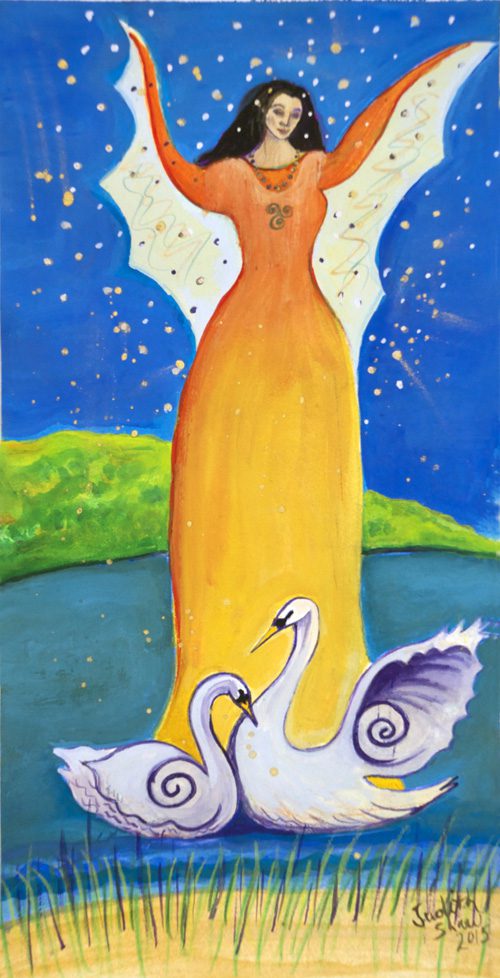
In Irish mythology, the concept of falling is often tied to various stories and legends that reflect the struggles and transformations of characters. This theme can be seen in tales of heroes, gods, and mythical creatures who face challenges that lead them to experience a fall, whether literal or metaphorical. The stories highlight the importance of resilience, transformation, and the cycle of life and death, which are prevalent in Irish folklore.
The Fall of Heroes
Many Irish myths feature heroes who undergo significant challenges, often resulting in a fall from grace or a decline in their status. One prominent example is the story of Cú Chulainn, a legendary warrior known for his incredible strength and skill in battle. Despite his many victories, Cú Chulainn experiences a tragic fall, both in terms of his personal life and his physical prowess. His tale illustrates how even the mightiest heroes can face dire consequences for their actions, leading to a dramatic decline.
 Cáel
CáelCú Chulainn’s fall is not just a physical one; it also represents a moral and emotional decline. Throughout his life, he is faced with numerous temptations and challenges that test his character. His decisions often lead him to a path of destruction, ultimately culminating in his tragic death. This narrative serves as a reminder that even the strongest can succumb to their flaws, emphasizing the importance of self-awareness and humility.
Lessons from Heroic Falls
- Humility: Heroes must remain humble to avoid a fall from grace.
- Consequences: Every action has consequences, and heroes must face them.
- Resilience: Even in the face of adversity, one can rise again.
Another significant hero in Irish mythology is Diarmuid Ua Duibhne, known for his tragic love story with Gráinne. Diarmuid’s fall is deeply tied to his love for Gráinne, which leads to his downfall. This tale illustrates how love can bring both joy and sorrow, and how it can lead to unforeseen consequences. Diarmuid’s life is marked by a series of events that ultimately lead to his demise, showcasing the theme of falling in both a literal and figurative sense.
 Buggane
The Fall of Gods
In Irish mythology, gods also experience falls, often representing a shift in power or a change in the natural order. The story of the Tuatha Dé Danann, a race of gods and supernatural beings, includes instances where deities fall from their positions of power. These falls often signify the end of an era and the beginning of new challenges for both gods and mortals alike. One notable example is the fall of Lugh, a god of skill and craftsmanship, who faces challenges that lead to his temporary downfall.
Lugh’s fall is symbolic of the trials faced by those in power. It serves as a reminder that even gods are not invincible and can be subject to the whims of fate. This theme resonates throughout Irish mythology, emphasizing that power can be fleeting and that one must be prepared to face the consequences of their actions. The narrative of Lugh’s fall invites reflection on the nature of authority and the responsibilities that come with it.
Symbolism of Divine Falls
- Power: The fall of gods symbolizes the transient nature of power.
- Change: Each fall represents a shift in the cosmic order.
- Responsibility: Those in power must bear the weight of their actions.
Another god whose story embodies the theme of falling is the goddess Brigid. While Brigid is often associated with light and healing, there are narratives that depict her facing trials that lead to a metaphorical fall. Her story emphasizes the duality of existence, where light and darkness coexist. The falls experienced by deities like Brigid highlight the complexities of their characters and the challenges they must overcome to fulfill their roles.
 Búanann
Mythical Creatures and Their Falls
Irish mythology is rich with tales of mythical creatures, many of which experience falls that reflect their struggles and transformations. One such creature is the selkie, a magical being that can transform from a seal into a human. Selkies often face the challenge of choosing between their two worlds, leading to emotional and physical falls. These tales illustrate the internal conflict faced by beings caught between two realms, highlighting the pain of separation and the longing for belonging.
The fall of the selkie can be seen as a metaphor for the struggle of identity. When a selkie chooses to live among humans, they often face the consequences of leaving their true nature behind. This choice leads to a profound sense of loss and longing for their original form. The selkie’s story serves as a poignant reminder of the sacrifices made in pursuit of love and acceptance, emphasizing the emotional weight of falling away from one’s true self.
Lessons from Mythical Creatures
- Identity: The struggle for identity is a common theme in these tales.
- Choice: Choices can lead to significant consequences.
- Longing: The pain of longing for one’s true self is deeply explored.
Another notable creature is the púca, a shape-shifting being known for its mischievous nature. The púca’s falls often involve trickery and deception, leading to humorous yet cautionary tales. These stories highlight the unpredictability of the púca, whose antics can result in both laughter and chaos. The púca’s ability to transform and play with the expectations of others serves as a reminder that appearances can be deceiving, and one must be cautious in their dealings.
The Cycle of Falling and Rising
In many Irish myths, the theme of falling is intertwined with the concept of rising again. This cycle reflects the natural order of life, where every fall is followed by an opportunity for rebirth or renewal. The story of the Cailleach, a goddess associated with winter and transformation, exemplifies this cycle. The Cailleach experiences a fall each spring, only to rise again as the goddess of fertility and growth. This duality emphasizes the importance of cycles in nature and the inevitability of change.
The Cailleach’s fall and subsequent rise represent the struggle between darkness and light, winter and spring. Her story serves as a reminder that even in the darkest times, there is hope for renewal and rebirth. The cyclical nature of her existence highlights the resilience of life and the interconnectedness of all beings, reinforcing the idea that every ending is also a beginning.
Embracing the Cycle
- Change: Embracing change is essential for growth.
- Hope: Even in despair, hope for renewal exists.
- Interconnectedness: All beings are part of a larger cycle.
Another narrative that embodies this cycle is the tale of the green man, a symbol of rebirth and regeneration. The green man represents the spirit of nature and the eternal cycle of growth, death, and renewal. His story is often depicted in various forms of art and literature, showcasing the deep connection between humanity and the natural world. The green man’s journey through the seasons illustrates the balance between falling and rising, reminding us of the importance of embracing the cycles of life.
The Cultural Significance of Falling
The theme of falling in Irish mythology is not just a narrative device; it holds deep cultural significance. These stories reflect the values, beliefs, and experiences of the Irish people, illustrating their understanding of life’s complexities. The struggles faced by heroes, gods, and mythical creatures resonate with the human experience, offering insights into resilience, identity, and the nature of existence.
Irish mythology often emphasizes the importance of community and the support systems that help individuals navigate their falls. The tales of friendship, loyalty, and sacrifice highlight the interconnectedness of individuals within a community. These narratives serve as a reminder that no one is alone in their struggles, and the support of others can provide strength in times of need.
Values Reflected in Myths
- Community: The importance of community support during struggles.
- Resilience: The ability to rise after a fall is celebrated.
- Identity: The search for identity is a central theme.
The cultural significance of falling also extends to the exploration of morality and ethics within these myths. The falls experienced by characters often serve as cautionary tales, warning against hubris, greed, and other vices. These narratives encourage reflection on personal choices and their consequences, reinforcing the idea that actions matter in the grand tapestry of life.
Conclusion of the Journey
the theme of falling in Irish mythology is a rich and multifaceted concept that encompasses the struggles of heroes, gods, and mythical creatures. These narratives serve as powerful reminders of the resilience of the human spirit, the importance of community, and the cycles of life and death. Through the lens of falling, we gain insight into the complexities of existence and the lessons that can be learned from both triumphs and tragedies.