Caibell is a significant figure in Irish mythology, representing a unique blend of ancient beliefs and cultural narratives. As one delves into the depths of Irish folklore, the character of Caibell emerges as a captivating entity that reflects the complexities of the human experience and the natural world. The tales surrounding Caibell are rich with symbolism and offer insights into the values and beliefs of the ancient Irish people. Through various stories, Caibell embodies themes of love, loyalty, and the struggle between good and evil, making her a fascinating subject of study within the realm of Irish mythology.
The Origins of Caibell
The origins of Caibell can be traced back to the ancient traditions of the Celts, who inhabited the Irish landscape long before recorded history. These early inhabitants held a deep reverence for nature and the supernatural, which is reflected in the stories of Caibell. She is often depicted as a goddess or a spirit associated with the land, embodying the beauty and ferocity of nature. The tales suggest that Caibell has roots in the earth itself, symbolizing fertility and the cyclical nature of life. This connection to the land is significant, as it illustrates how the ancient Irish viewed their environment as alive and imbued with spiritual significance.
 Cáer
CáerIn some accounts, Caibell is described as a warrior and protector of her people. She is known for her fierce loyalty and her ability to inspire courage in those around her. The stories highlight her strength and resilience, often portraying her as a figure who stands against oppression and injustice. This aspect of her character resonates with the struggles faced by the ancient Irish, who fought to protect their lands and traditions from external threats. The duality of Caibell as both a nurturing force and a fierce protector reflects the complexities of the human experience, making her a relatable and enduring figure in Irish mythology.
Caibell in Folklore
Throughout various tales, Caibell is often featured in stories that emphasize her connection to the natural world. She is frequently associated with specific landscapes, such as mountains, rivers, and forests, which are believed to be sacred spaces imbued with her essence. In these narratives, Caibell is not just a passive observer; she actively interacts with the environment and the creatures within it. This interaction illustrates the ancient belief in the interconnectedness of all living things, emphasizing the importance of harmony between humans and nature.
 Cáel
CáelOne popular story involving Caibell recounts her journey through a mystical forest, where she encounters various mythical creatures. These creatures, including fairies and spirits, serve as guardians of the forest, testing Caibell’s resolve and wisdom. As she navigates these challenges, she demonstrates her understanding of the balance between light and darkness, ultimately emerging victorious. This narrative not only highlights her strength but also serves as a metaphor for the journey of self-discovery and the challenges one must face to achieve personal growth.
The Symbolism of Caibell
Caibell is rich in symbolism, with various elements of her character representing broader themes within Irish mythology. One of the most prominent symbols associated with her is the owl, which is often seen as a guardian of wisdom and a guide through the darkness. The owl’s ability to see in the night mirrors Caibell’s role as a protector, guiding her people through challenging times. This symbolism emphasizes the importance of wisdom and insight in overcoming obstacles, reinforcing the idea that knowledge is a powerful tool in the face of adversity.
Another significant symbol connected to Caibell is the river, which represents the flow of life and the passage of time. Rivers are often seen as sacred in many cultures, serving as a source of nourishment and a pathway for spiritual journeys. In the stories of Caibell, rivers often act as barriers or challenges that she must overcome, symbolizing the trials and tribulations that one faces in life. Her ability to navigate these waters reflects the resilience and adaptability that are essential for survival in an ever-changing world.
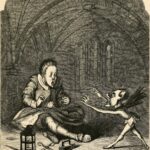 Buggane
Caibell and the Cycle of Life
The tales of Caibell often emphasize the cycle of life, illustrating the interconnectedness of birth, death, and rebirth. This theme is particularly evident in stories that depict her as a nurturing figure, providing sustenance and support to her people. The ancient Irish believed in the importance of honoring the land and its cycles, and Caibell embodies this belief through her actions and teachings. She serves as a reminder of the need to respect the natural world and to recognize the delicate balance that sustains life.
In some narratives, Caibell is associated with the changing seasons, reflecting the natural rhythms of growth and decay. These seasonal changes are not just physical transformations but are imbued with spiritual significance. For instance, the arrival of spring is often celebrated as a time of renewal and hope, while autumn represents a time of reflection and preparation for the challenges of winter. Through her connection to these cycles, Caibell teaches the importance of embracing change and understanding that every ending is also a new beginning.
Caibell’s Legacy
The legacy of Caibell extends beyond her immediate stories, influencing the cultural landscape of Ireland and shaping the beliefs of subsequent generations. Her character has been woven into the fabric of Irish identity, serving as a symbol of strength, resilience, and the enduring connection to the land. As modern Ireland continues to grapple with its rich history and cultural heritage, figures like Caibell serve as a reminder of the importance of honoring the past while forging a path into the future.
In contemporary interpretations, Caibell is often celebrated in various forms of art and literature, from poetry to visual arts. These modern representations not only keep her story alive but also allow for new interpretations and understandings of her character. Artists and writers draw inspiration from her strength and wisdom, using her as a lens through which to explore themes of identity, belonging, and the relationship between humanity and nature.
Caibell in Modern Culture
In recent years, there has been a resurgence of interest in Irish mythology, with figures like Caibell gaining popularity in various cultural contexts. This renewed fascination can be seen in literature, film, and even video games, where ancient stories are reimagined for contemporary audiences. These adaptations not only highlight the timeless nature of Caibell’s character but also serve to educate new generations about the rich tapestry of Irish folklore.
Additionally, the themes embodied by Caibell resonate with modern audiences, particularly in discussions surrounding environmentalism and the importance of preserving the natural world. Her connection to the land and her role as a protector align with contemporary values that emphasize sustainability and respect for the environment. As society grapples with pressing ecological challenges, the stories of Caibell serve as a source of inspiration, reminding us of the need to nurture and protect the earth.
As we explore the rich narratives surrounding Caibell, it becomes clear that her character is more than just a figure of Irish mythology; she is a reflection of the human experience, embodying themes of strength, resilience, and the profound connection to nature. Through her stories, we gain insight into the values and beliefs of the ancient Irish, while also discovering the relevance of these narratives in our contemporary world. Caibell’s legacy endures, reminding us of the importance of honoring our past while navigating the complexities of the present.