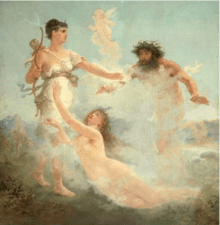
In Greek mythology, Alpheus is known as a river god, often associated with the Alpheus River in the Peloponnese. He is depicted as a powerful and handsome deity, embodying the essence of the river he governs. The Alpheus River is significant not only for its physical presence but also for the myths that surround it, especially its connection to the beautiful nymph Arethusa. This connection has inspired numerous stories, highlighting the themes of love, pursuit, and transformation.
The Origin of Alpheus
Alpheus is one of the many gods and goddesses that personify natural elements in Greek mythology. His origins can be traced back to ancient Greek religious practices, where rivers were often revered as divine beings. According to myth, Alpheus is the son of the Titan Oceanus and the goddess Tethys. This lineage places him among the primordial deities who represent the fundamental aspects of the natural world. His existence emphasizes the importance of water in sustaining life and the belief that rivers possess their own spirits and personalities.
 Amalthea
In some accounts, Alpheus is said to have been born from the union of Gaia (Earth) and the primordial waters. This version of his origin reinforces the idea that he is a fundamental force in nature, directly tied to the earth and its waterways. As a river god, Alpheus not only governs the physical river but also symbolizes the life-giving properties of water. This connection to both the earth and water reflects the ancient Greeks’ understanding of the environment and their reverence for the natural world.
The Myth of Alpheus and Arethusa
One of the most famous myths involving Alpheus is his pursuit of the nymph Arethusa. Arethusa was a beautiful huntress and a follower of the goddess Artemis. According to legend, Alpheus fell deeply in love with Arethusa at first sight. His infatuation was so intense that he began to chase her relentlessly. Arethusa, however, was not interested in Alpheus’s affections and sought to escape his advances. This pursuit is a classic example of the themes of love and rejection that are prevalent in Greek mythology.
To evade Alpheus, Arethusa prayed to Artemis for help. The goddess answered her plea by transforming her into a spring of water. This transformation allowed Arethusa to escape the relentless pursuit of Alpheus. However, Alpheus was not deterred by this change. In a desperate attempt to unite with Arethusa, he transformed his waters to flow into her spring. This act symbolizes the deep connection between the two, despite the obstacles they faced.
 Ampelos
Key Elements of the Myth
- Love and Obsession: Alpheus’s pursuit of Arethusa represents the theme of unrequited love.
- Transformation: Arethusa’s change into a spring highlights the power of the gods and the importance of nature.
- Divine Intervention: The involvement of Artemis showcases the role of deities in human affairs.
The story of Alpheus and Arethusa is often interpreted as a reflection of the natural cycle of water. Just as Alpheus’s waters flow and seek Arethusa, rivers constantly seek new paths and connections. This myth serves as a reminder of the persistence of love and desire, even in the face of rejection. The intertwining of their fates also illustrates the idea that love can transcend physical forms, as Alpheus and Arethusa remain connected through the waters.
Symbolism of Alpheus
Alpheus, as a river god, is rich in symbolism. He represents not only the physical body of the river but also the life-giving and transformative powers of water. In many cultures, rivers are seen as sources of fertility and nourishment. They are essential for agriculture, drinking water, and sustaining ecosystems. Alpheus embodies these attributes, signifying the importance of water in sustaining life and promoting growth.
Moreover, Alpheus symbolizes the dynamic nature of love and desire. His relentless pursuit of Arethusa can be viewed as a metaphor for the passionate and sometimes overwhelming nature of love. This aspect of his character reflects the human experience of longing and the challenges that often accompany romantic pursuits. Alpheus’s story serves as a reminder that love can lead to transformation, both for the lover and the beloved.
 Amphion
Alpheus in Art and Literature
The figure of Alpheus has inspired various works of art and literature throughout history. In ancient Greek pottery, Alpheus is often depicted in scenes that illustrate his connection to Arethusa. These artworks capture the essence of their myth, showcasing the beauty of the river and the nymph. The visual representations of Alpheus highlight the importance of storytelling in ancient Greek culture, where myths were used to explain natural phenomena and convey moral lessons.
In literature, Alpheus’s story has been referenced by numerous poets and writers. One of the most notable mentions is in the works of the Roman poet Ovid, particularly in his epic poem “Metamorphoses.” Ovid recounts the tale of Alpheus and Arethusa, emphasizing the themes of love, transformation, and the power of the gods. His poetic style brings to life the emotional depth of the characters, allowing readers to connect with their struggles and desires.
Influence on Later Works
- Renaissance Art: Alpheus and Arethusa were popular subjects in Renaissance paintings.
- Modern Literature: Contemporary authors often draw on the themes of their myth in exploring love and desire.
- Poetry: Poets have used Alpheus as a symbol of nature and the human condition.
The enduring legacy of Alpheus in art and literature demonstrates the timeless nature of his story. The themes of love, transformation, and the connection between humanity and nature resonate across cultures and eras. Alpheus serves as a reminder of the power of myths to inspire creativity and convey profound truths about the human experience.
Alpheus and Other River Gods
In Greek mythology, Alpheus is not the only river god. There are many other deities associated with rivers, each with their own unique characteristics and stories. For example, the river god Achelous is known as one of the most significant river gods in Greece. He is often depicted as a horned deity, representing the strength and ferocity of rivers. Achelous’s stories often revolve around his battles and interactions with other gods and heroes.
Another notable river god is Scamander, who is associated with the river of the same name in Troy. Scamander is often depicted as a powerful force in battle, especially during the Trojan War. His presence in the myths underscores the importance of rivers as both nurturing and destructive forces in nature. These river gods, including Alpheus, represent the multifaceted nature of water and its impact on human life.
Comparative Analysis
- Alpheus vs. Achelous: Both gods represent rivers, but Achelous embodies strength while Alpheus symbolizes love.
- Alpheus vs. Scamander: Scamander’s role in war contrasts with Alpheus’s romantic pursuits.
- Shared Themes: All river gods highlight the dual nature of water as both life-giving and destructive.
The comparison of Alpheus with other river gods reveals the rich tapestry of Greek mythology. Each deity offers a different perspective on the significance of rivers, reflecting the complexities of human emotions and experiences. Through their stories, we gain insights into the ancient Greeks’ understanding of the natural world and its divine connections.
Modern Interpretations of Alpheus
In contemporary culture, the story of Alpheus continues to resonate. Many artists, writers, and filmmakers draw inspiration from Greek mythology, including the tale of Alpheus and Arethusa. Modern interpretations often explore the themes of love and transformation in new and innovative ways. For instance, in literature, authors may reinterpret the myth to address contemporary issues such as identity, gender, and the environment.
Moreover, the character of Alpheus has been reimagined in various forms of media, including film and television. Adaptations may take creative liberties with the story, but they often retain the core themes of love and desire. These modern retellings allow audiences to connect with the myth on a personal level, making it relevant to today’s societal context.
Impact on Popular Culture
- Film Adaptations: Movies often incorporate Greek myths, including the story of Alpheus.
- Literary References: Modern authors reference Alpheus in exploring themes of love and nature.
- Artistic Interpretations: Contemporary artists create works inspired by the beauty of Alpheus and Arethusa.
The continued presence of Alpheus in modern interpretations speaks to the enduring power of mythology. The themes of love, transformation, and the connection between humanity and nature remain relevant, allowing new generations to engage with these ancient stories. Alpheus serves as a symbol of the timelessness of love and the beauty of the natural world, reminding us of our shared human experiences.
Alpheus in Geography and Culture
The Alpheus River, named after the river god, holds great significance in the Peloponnese region of Greece. It is one of the longest rivers in the country, flowing through picturesque landscapes and historical sites. The river’s journey from the mountainous regions to the sea is not only a physical pathway but also a cultural one, linking various communities and traditions along its banks. The river has been a source of inspiration for poets and artists, who often celebrate its beauty in their works.
In addition to its natural beauty, the Alpheus River has historical importance. Ancient settlements and cities, such as Olympia, were located near its banks. The river played a crucial role in the development of these communities, providing water for agriculture and sustenance. Today, the river remains a vital resource for local residents, emphasizing the enduring relationship between people and the natural environment.
Cultural Significance
- Festivals: Local festivals often celebrate the river and its connection to the myth of Alpheus.
- Folklore: Stories of Alpheus are passed down through generations, preserving cultural heritage.
- Tourism: The river attracts tourists interested in mythology and natural beauty.
The cultural significance of the Alpheus River extends beyond its mythological connections. It serves as a symbol of the region’s rich history and traditions. Festivals and events that celebrate the river allow communities to come together and honor their heritage. These cultural practices help keep the stories of Alpheus alive, ensuring that future generations remain connected to their past.
Alpheus, the river god of Greek mythology, embodies the essence of water, love, and transformation. His story, particularly his pursuit of Arethusa, highlights the complexities of desire and the power of divine intervention. Through his connections to the natural world, Alpheus serves as a reminder of the importance of water in sustaining life and the beauty of nature. The myths surrounding Alpheus continue to inspire art, literature, and cultural practices, ensuring that his legacy endures in modern society.