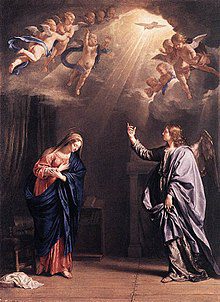
The concept of the Holy Spirit is central to Christian theology and is often viewed as one of the three persons of the Holy Trinity, alongside God the Father and God the Son, Jesus Christ. This belief is rooted in various passages of the Bible, which describe the Holy Spirit as a divine presence that guides, comforts, and empowers believers. Understanding the role and significance of the Holy Spirit is essential for anyone seeking to grasp the foundations of Christian mythology and its teachings.
The Nature of the Holy Spirit
The Holy Spirit is often described as a mystical force that is both personal and divine. Unlike God the Father, who is often depicted as a creator and ruler, or Jesus Christ, who is seen as the savior and redeemer, the Holy Spirit operates in a more subtle yet powerful manner. The Holy Spirit is referred to as the Comforter, the Advocate, and the Helper in various biblical texts. These titles indicate the Spirit’s role in providing support and guidance to believers.
 St. Hippolytus
In Christian belief, the Holy Spirit is not merely an abstract concept but a living presence that interacts with individuals. This interaction can take many forms, such as inspiration, conviction, and empowerment. For instance, the Holy Spirit is believed to inspire the writers of the Bible, ensuring that the scriptures convey divine truth. This belief emphasizes the importance of the Holy Spirit in the transmission of Christian teachings.
Characteristics of the Holy Spirit
- Omnipresence: The Holy Spirit is present everywhere and is not limited by time or space.
- Divine Wisdom: The Spirit provides insight and understanding to believers, helping them navigate life’s challenges.
- Comfort and Peace: The Holy Spirit offers comfort in times of trouble, providing peace that surpasses understanding.
- Empowerment: The Spirit empowers individuals to live according to God’s will and to fulfill their purpose.
These characteristics highlight the multifaceted nature of the Holy Spirit. Believers often experience the Holy Spirit in their daily lives, feeling a sense of guidance or peace during difficult times. This experience can lead to a deeper understanding of one’s faith and a stronger connection to the divine.
 St. Illtyd
The Holy Spirit in the Bible
The Bible contains numerous references to the Holy Spirit, illustrating its importance in both the Old and New Testaments. In the Old Testament, the Holy Spirit is often associated with creation and prophecy. For example, in Genesis 1:2, it is written that the Spirit of God was hovering over the waters during the creation of the world. This indicates that the Holy Spirit played a crucial role in the act of creation itself.
Additionally, the Holy Spirit is depicted as empowering individuals for specific tasks. Figures such as Moses, David, and the prophets received the Spirit’s guidance to fulfill God’s purposes. This theme continues in the New Testament, where the Holy Spirit is integral to the ministry of Jesus Christ. At Jesus’ baptism, the Holy Spirit descended upon him like a dove, marking the beginning of his public ministry and demonstrating the Spirit’s vital role in his life and work.
Key Biblical Passages
- Matthew 28:19: Jesus commands his followers to baptize in the name of the Father, the Son, and the Holy Spirit.
- Acts 2:4: On the Day of Pentecost, the Holy Spirit filled the apostles, enabling them to speak in various languages.
- Romans 8:26: The Spirit helps us in our weakness and intercedes for us with groans that words cannot express.
- Galatians 5:22-23: The fruits of the Spirit include love, joy, peace, patience, kindness, goodness, faithfulness, gentleness, and self-control.
These passages illustrate the transformative power of the Holy Spirit in the lives of believers. The Day of Pentecost is particularly significant, as it marks the moment when the Holy Spirit was given to the church, empowering the apostles to spread the message of Jesus. This event is often seen as the birth of the Christian church, highlighting the Spirit’s essential role in the faith’s development.
 St. Hilda
The Role of the Holy Spirit in the Life of a Believer
For Christians, the Holy Spirit is not just a theological concept but a real presence that influences their daily lives. One of the primary roles of the Holy Spirit is to guide believers in their spiritual journeys. This guidance can manifest as an inner conviction to make certain choices, a sense of peace during decision-making, or even a call to serve others in various capacities. Many Christians believe that listening to the Holy Spirit is crucial for living a fulfilling and purposeful life.
Moreover, the Holy Spirit is instrumental in the process of sanctification, which refers to the gradual transformation of a believer into the likeness of Christ. Through the work of the Holy Spirit, individuals are encouraged to develop the fruits of the Spirit, which reflect godly character traits. These traits include love, joy, peace, patience, kindness, goodness, faithfulness, gentleness, and self-control. Cultivating these attributes is seen as essential for living out one’s faith authentically.
Ways the Holy Spirit Works in Believers’ Lives
- Conviction of Sin: The Holy Spirit helps believers recognize their shortcomings and encourages repentance.
- Guidance in Prayer: The Spirit intercedes for believers, helping them to pray in accordance with God’s will.
- Empowerment for Service: The Holy Spirit equips individuals with spiritual gifts for ministry and service.
- Assurance of Salvation: The Spirit provides a sense of peace and assurance that believers are loved and accepted by God.
These aspects of the Holy Spirit’s work highlight its significance in the life of a believer. By being attuned to the Holy Spirit, Christians can experience a deeper connection with God and a greater sense of purpose in their lives. This relationship is often described as a partnership, where believers actively seek to align their lives with the Spirit’s leading.
The Gifts of the Holy Spirit
The Holy Spirit bestows various spiritual gifts upon believers, enabling them to serve the church and the world effectively. These gifts are not to be seen as personal achievements but as divine enablements meant for the benefit of others. The Apostle Paul outlines several of these gifts in his letters, particularly in 1 Corinthians 12, Romans 12, and Ephesians 4. Each gift serves a unique purpose and contributes to the overall health and functioning of the body of Christ.
Some of the well-known gifts include wisdom, knowledge, faith, healing, miracles, prophecy, discernment, tongues, and interpretation of tongues. Each of these gifts allows believers to operate in their unique calling and to build up the church community. Understanding and utilizing these gifts is crucial for fulfilling the mission of the church and spreading the message of the Gospel.
Categories of Spiritual Gifts
- Speaking Gifts: Such as prophecy, teaching, and exhortation.
- Serving Gifts: Including helps, administration, and giving.
- Sign Gifts: Such as healing, miracles, and speaking in tongues.
- Power Gifts: Including faith and discernment.
Believers are encouraged to discover and cultivate their spiritual gifts. This process often involves prayer, seeking counsel from spiritual leaders, and serving in various capacities within the church. By doing so, individuals not only grow in their faith but also contribute to the overall mission of the church, reflecting the love and grace of God to the world.
The Holy Spirit and the Church
The Holy Spirit plays a vital role in the life of the church, guiding its mission and fostering unity among believers. The Spirit is often described as the sustainer of the church, providing direction and empowering its members to fulfill their God-given purposes. This divine guidance is essential for maintaining the church’s focus on its mission to spread the Gospel and serve the community.
Furthermore, the Holy Spirit is instrumental in promoting unity among believers. In Ephesians 4:3, Paul urges Christians to make every effort to maintain the unity of the Spirit in the bond of peace. This unity is crucial for the church’s effectiveness, as it reflects the love and harmony that should exist among its members. The Holy Spirit helps to break down barriers, encouraging collaboration and mutual support within the body of Christ.
The Church as the Body of Christ
- Each Member is Important: Every believer has a unique role to play within the church.
- Mutual Support: Members are called to support and encourage one another in their faith journeys.
- Shared Mission: The church collectively works towards the mission of spreading the Gospel.
- Empowerment for Ministry: The Holy Spirit equips the church to fulfill its mission effectively.
The concept of the church as the body of Christ emphasizes the importance of each believer’s contribution. The Holy Spirit empowers and equips individuals to serve, ensuring that the church functions as a cohesive unit. This empowerment is essential for fulfilling the Great Commission, which calls believers to make disciples of all nations.
The Holy Spirit in Christian Worship
The Holy Spirit also plays a significant role in Christian worship. Worship services often invite the presence of the Holy Spirit, creating an atmosphere where believers can connect with God. This connection is facilitated through various forms of worship, including prayer, singing, and teaching. The Holy Spirit is believed to inspire these acts of worship, drawing individuals closer to the heart of God.
During worship, many believers experience a sense of spiritual renewal and transformation. The Holy Spirit can convict hearts, leading to repentance and a deeper commitment to Christ. This transformative power is a testament to the Spirit’s active presence in the life of the church, reminding believers of God’s love and grace.
Elements of Worship Involving the Holy Spirit
- Prayer: Inviting the Holy Spirit to guide and inspire prayers.
- Music: Songs and hymns that glorify God and invite the Spirit’s presence.
- Teaching: Messages that are inspired by the Holy Spirit to edify the church.
- Communion: A sacrament that symbolizes unity with Christ and the community.
Incorporating the Holy Spirit into worship emphasizes the belief that God is actively involved in the lives of believers. This involvement fosters a deeper connection with God, leading to spiritual growth and a greater understanding of His will. Many Christians view worship as a time to encounter the Holy Spirit, seeking guidance and renewal for their daily lives.
Conclusion: The Ongoing Work of the Holy Spirit
the Holy Spirit is a vital aspect of Christian mythology and theology. Its role as a guide, comforter, and empowerer is crucial for believers seeking to live out their faith authentically. Through the Holy Spirit, Christians experience a personal relationship with God, which profoundly influences their lives and the church as a whole. Understanding the significance of the Holy Spirit is essential for anyone exploring the depths of Christian belief and practice.