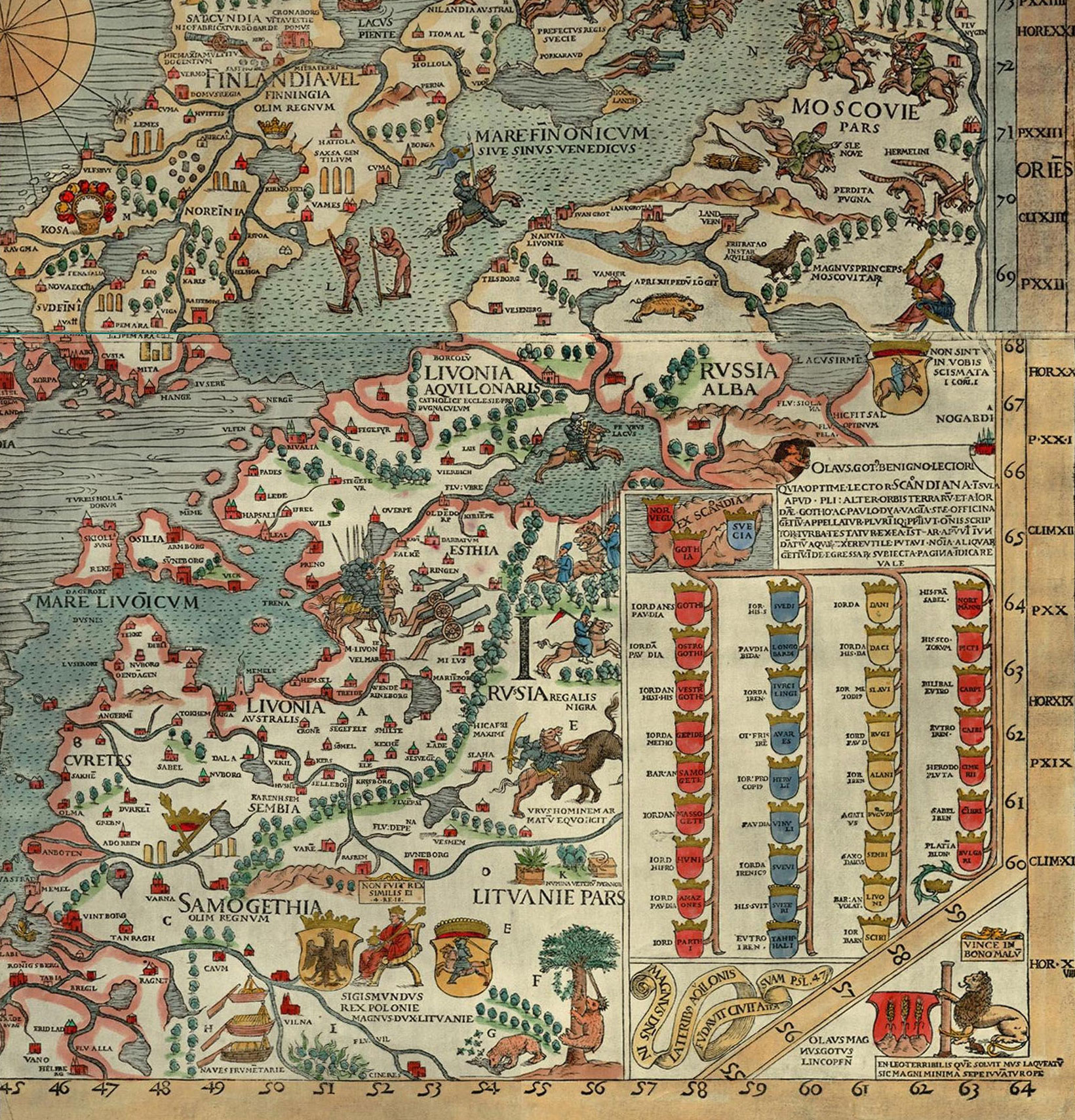
In Lithuanian mythology, the figure of Žaltys holds a significant place, representing various aspects of nature, fertility, and the spiritual world. This mythical creature is often depicted as a serpent or a dragon-like figure, embodying both wisdom and power. The Žaltys is not merely a creature of folklore; it symbolizes the connection between the earthly realm and the divine. It is essential to understand the cultural context and the narratives surrounding this figure to appreciate its role in Lithuanian traditions and beliefs.
The Origin of Žaltys
The origins of Žaltys can be traced back to ancient Lithuanian beliefs, where nature was revered and seen as a source of life. The serpent-like creature is often associated with the earth and water, two essential elements for agriculture and survival. In many myths, Žaltys is portrayed as a guardian of the land, protecting crops and ensuring bountiful harvests. This connection to fertility is crucial, as it reflects the agricultural society of ancient Lithuania, where the success of farming determined the community’s prosperity.
 Velnias
Additionally, Žaltys is often linked to the underworld and the spiritual realm. In many cultures, serpents symbolize a bridge between different worlds, and in Lithuanian mythology, this is no different. The creature is seen as a guide for souls, helping them navigate the transition between life and death. This aspect of Žaltys emphasizes the importance of honoring ancestors and the belief in an afterlife, common themes in Lithuanian culture.
Characteristics of Žaltys
Žaltys is characterized by its serpent-like appearance, which can vary in descriptions across different myths. It is often depicted as a large, powerful creature with shimmering scales, embodying both beauty and danger. This duality is significant, as it represents the balance of nature—where beauty can coexist with peril. The scales of Žaltys are sometimes said to glimmer like precious stones, symbolizing wealth and prosperity. This reflects the creature’s role as a guardian of the land, where it protects the treasures of nature.
Moreover, Žaltys is associated with various natural phenomena. In some stories, it is said to control the rains, storms, and even the fertility of the soil. This power over nature makes Žaltys a figure of great respect and fear among the people. Farmers would often perform rituals to appease the creature, ensuring good weather and fruitful crops. The belief in the creature’s influence over nature highlights the deep connection the Lithuanians had with their environment and the importance of maintaining harmony with it.
 Veliuona
Žaltys in Folktales
Many Lithuanian folktales feature Žaltys as a central character, showcasing its role in various moral and ethical lessons. One common narrative involves a hero who encounters the creature and must either defeat it or form a bond with it. These stories often illustrate the importance of wisdom and courage in the face of adversity. The hero’s journey often leads to a greater understanding of oneself and the world, with Žaltys serving as a catalyst for personal growth.
- The Hero’s Encounter: In many tales, the hero’s encounter with Žaltys tests their bravery and intelligence.
- Transformation: Some stories depict Žaltys as a being that can transform into a beautiful maiden, symbolizing the duality of nature.
- Lessons of Respect: These tales often teach respect for nature and the consequences of greed or disrespect.
In one popular tale, a young man discovers a Žaltys guarding a hidden treasure. Instead of attempting to take the treasure by force, he chooses to engage in a dialogue with the creature. Through this interaction, he learns valuable lessons about humility and the importance of respecting the guardian of the land. This story not only entertains but also serves as a reminder of the interconnectedness of all beings and the need for harmony in life.
Symbolism of Žaltys
The symbolism of Žaltys extends beyond its physical characteristics. As a creature of both the earth and the underworld, it embodies the concept of duality. This duality can be seen in its role as a protector and a potential threat. The creature symbolizes the balance of life, where creation and destruction coexist. In Lithuanian culture, this balance is crucial, as it reflects the natural cycles of life, death, and rebirth.
 Vaižgantas
Furthermore, Žaltys is often associated with wisdom and knowledge. In many myths, the creature possesses ancient knowledge that can be accessed by those deemed worthy. This connection to wisdom emphasizes the importance of learning from the past and respecting the teachings of ancestors. The figure of Žaltys encourages individuals to seek knowledge and understanding, reinforcing the value of education and the pursuit of truth in Lithuanian culture.
Žaltys and the Modern World
In contemporary Lithuania, the figure of Žaltys continues to hold cultural significance. Many people still recount the tales of Žaltys to children, instilling a sense of tradition and connection to their heritage. The stories serve as a bridge between the past and the present, reminding younger generations of the importance of their cultural roots. This transmission of knowledge is vital for preserving the identity of the Lithuanian people.
Additionally, the symbolism of Žaltys resonates with modern environmental movements. As concerns about nature and the environment grow, the figure of Žaltys serves as a reminder of the need to protect and respect the natural world. The creature’s role as a guardian of the land aligns with contemporary efforts to promote sustainability and conservation. This connection illustrates how ancient myths can still be relevant and inspire action in today’s society.
Rituals and Celebrations
Various rituals and celebrations in Lithuania are tied to the figure of Žaltys. These events often include elements of nature worship and the honoring of the earth. During certain agricultural festivals, people may perform rituals to appease Žaltys, seeking blessings for a fruitful harvest. These traditions reflect the deep respect that Lithuanians have for the land and the creatures that inhabit it.
One such celebration is the festival of Jūratė and Kastytis, which honors the connection between the sea and the earth. During this festival, participants may recount stories of Žaltys and engage in rituals that emphasize harmony with nature. These celebrations are not only a way to connect with their ancestors but also an opportunity to foster community bonds and strengthen cultural identity.
Influence on Art and Literature
The figure of Žaltys has also influenced various forms of art and literature in Lithuania. Many artists have drawn inspiration from the rich tapestry of myths surrounding Žaltys, creating paintings, sculptures, and literary works that explore its themes and symbolism. This artistic representation serves to keep the stories alive, ensuring that the cultural heritage is passed down through generations.
In literature, authors often incorporate the character of Žaltys to explore deeper philosophical themes. The creature’s role as a guardian and symbol of wisdom allows writers to delve into topics such as the relationship between humanity and nature, the search for knowledge, and the importance of balance in life. These literary works contribute to the ongoing dialogue about identity and culture in Lithuania.
the figure of Žaltys is a vital part of Lithuanian mythology, representing the interconnectedness of nature, wisdom, and spirituality. Through its rich symbolism and presence in folktales, rituals, and art, Žaltys continues to resonate with the people of Lithuania, offering valuable lessons and a deep connection to their cultural heritage. As the world changes, the stories of Žaltys serve as a reminder of the importance of respecting the earth and the wisdom of the past.