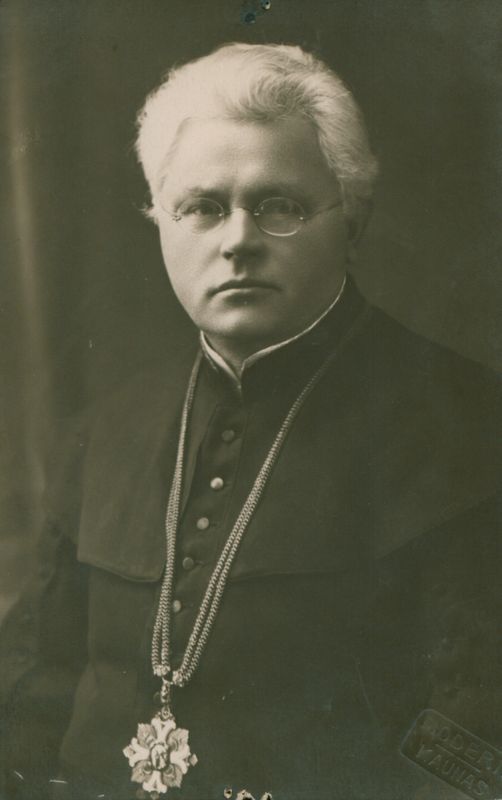
Vaižgantas is a significant figure in Lithuanian mythology, often representing the spirit of the forest and nature. This mythical character is deeply intertwined with the beliefs and traditions of the Lithuanian people. The stories surrounding Vaižgantas reveal much about the relationship between humans and nature, emphasizing the importance of respecting the environment. Vaižgantas is often depicted as a protector of animals and a guardian of the forest, embodying the values that Lithuanians hold dear regarding nature conservation. This article delves into the various aspects of Vaižgantas, exploring his origins, characteristics, and the role he plays in Lithuanian folklore.
Origins of Vaižgantas
The origins of Vaižgantas can be traced back to ancient Lithuanian beliefs and practices. He is often associated with the natural world, particularly forests and wildlife. The name “Vaižgantas” itself is thought to derive from the word “vaižgoti,” which means to protect or to guard. This etymology reflects his role as a guardian of nature. Many stories describe him as a figure who emerges from the depths of the forest, symbolizing the untamed and wild aspects of nature. As a result, Vaižgantas serves as a reminder of the mystical forces present in the world around us.
 Sietynas
In the context of Lithuanian mythology, Vaižgantas is frequently linked to the ancient pagan practices of the region. Before the arrival of Christianity, Lithuanians worshipped various deities associated with nature. Vaižgantas is often considered a manifestation of these earlier beliefs, representing the continuity of ancient traditions in modern Lithuanian culture. He embodies the connection between the people and the natural world, illustrating how ancient customs have been woven into the fabric of contemporary Lithuanian identity.
Characteristics of Vaižgantas
Vaižgantas is often depicted as a tall, imposing figure, blending seamlessly into the forest environment. His appearance is usually described as being adorned with leaves, branches, and other natural elements. This portrayal emphasizes his role as a guardian of the forest and his deep connection to the natural world. His skin is said to be green or brown, resembling the bark of trees, which further reinforces his identity as a protector of nature. This unique physicality allows Vaižgantas to move unnoticed among the trees, watching over the creatures that inhabit the forest.
In many tales, Vaižgantas possesses a variety of magical abilities that allow him to communicate with animals and influence the growth of plants. His powers are often depicted as benevolent, used to protect the forest and its inhabitants from harm. He is seen as a wise figure who understands the delicate balance of nature and the importance of harmony within the ecosystem. This wisdom is reflected in the way he interacts with both animals and humans, teaching them to respect the land and its resources.
 Saule
SauleVaižgantas in Folklore
Vaižgantas appears in numerous folk tales and legends throughout Lithuania. These stories often highlight his role as a protector and guide for those who venture into the forest. In one popular tale, a lost traveler encounters Vaižgantas while searching for a way home. The traveler is initially frightened by the imposing figure but soon realizes that Vaižgantas means no harm. Instead, he offers guidance and teaches the traveler about the importance of respecting the forest and its inhabitants.
- Vaižgantas helps the traveler find their way home.
- He shares wisdom about the plants and animals of the forest.
- The traveler learns to appreciate the beauty and value of nature.
This narrative illustrates the key themes of many Vaižgantas stories: the importance of respect for nature, the wisdom of ancient traditions, and the interconnectedness of all living beings. Through these tales, Vaižgantas serves as a bridge between humanity and the natural world, reminding people of their responsibility to protect the environment.
Vaižgantas and Nature Conservation
 Šilinytis
In contemporary Lithuania, the figure of Vaižgantas has taken on new significance in the context of environmental conservation. As concerns about climate change and habitat destruction grow, many people look to traditional figures like Vaižgantas for inspiration. His embodiment of nature’s spirit serves as a reminder of the need to preserve the natural world for future generations. Environmental organizations in Lithuania often reference Vaižgantas in their campaigns, using his image to promote awareness of ecological issues.
Vaižgantas is also celebrated in various cultural events and festivals that focus on nature and sustainability. These events aim to foster a sense of community and encourage individuals to take action in protecting their environment. By invoking the spirit of Vaižgantas, these gatherings create a connection to the past while addressing contemporary environmental challenges. This blending of tradition and modernity highlights the ongoing relevance of Vaižgantas in Lithuanian society.
Vaižgantas in Modern Culture
Vaižgantas has also made his way into modern Lithuanian culture through various forms of art, literature, and media. Artists often depict him in paintings, sculptures, and performances, capturing his essence as a guardian of the forest. These creative expressions serve to keep the stories of Vaižgantas alive and introduce them to new audiences. Additionally, contemporary writers draw inspiration from Vaižgantas in their works, weaving his character into narratives that explore themes of nature, spirituality, and human connection.
In literature, Vaižgantas is sometimes used as a symbol of resilience and the enduring spirit of nature. Authors portray him as a figure who stands against the challenges posed by modern society, advocating for a return to a more harmonious relationship with the environment. This literary representation not only honors traditional beliefs but also encourages readers to reflect on their own interactions with nature.
Vaižgantas in Festivals and Celebrations
Throughout Lithuania, festivals celebrating Vaižgantas are held to honor the spirit of nature and promote environmental awareness. These events often include activities such as tree planting, nature walks, and educational workshops focused on sustainability. Participants learn about local flora and fauna while engaging in hands-on experiences that foster a deeper connection to the land. By celebrating Vaižgantas in this way, communities come together to strengthen their commitment to protecting the environment.
- Tree planting ceremonies to honor Vaižgantas.
- Nature walks led by local experts.
- Workshops on sustainable living and conservation.
Such festivals not only pay tribute to Vaižgantas but also serve as a platform for raising awareness about pressing environmental issues. They inspire individuals to take action in their daily lives, promoting a culture of sustainability and respect for the natural world.
Vaižgantas and Spirituality
Vaižgantas holds a significant place in the spiritual beliefs of many Lithuanians. He is often seen as a spiritual guide who helps individuals connect with nature on a deeper level. In various rituals and ceremonies, people invoke Vaižgantas to seek his blessings and protection for their land and crops. This spiritual connection reflects the ancient belief that nature is imbued with divine energy, and Vaižgantas serves as a mediator between humans and the natural world.
Many individuals believe that by honoring Vaižgantas, they can cultivate a more harmonious relationship with nature. This belief encourages practices that promote sustainability, such as organic farming and wildlife conservation. By integrating spirituality into their connection with nature, people are reminded of their responsibility to care for the environment. This approach fosters a sense of stewardship and encourages individuals to engage in practices that benefit both the land and its inhabitants.
Vaižgantas in Rituals and Offerings
Rituals dedicated to Vaižgantas often involve offerings made to the forest and its creatures. These offerings may include food, flowers, or other natural materials that symbolize gratitude for the gifts of nature. Participants believe that by making these offerings, they are showing respect for the land and acknowledging the role of Vaižgantas as a protector. Such rituals create a sense of community and reinforce the bonds between individuals and the natural world.
- Offerings of food and flowers to honor Vaižgantas.
- Gatherings in the forest to celebrate nature.
- Storytelling sessions sharing tales of Vaižgantas.
These practices not only honor Vaižgantas but also serve as a reminder of the importance of maintaining a spiritual connection to the land. They encourage individuals to reflect on their relationship with nature and inspire a sense of responsibility for its well-being.
The Legacy of Vaižgantas
The legacy of Vaižgantas continues to resonate in Lithuanian culture today. As a symbol of nature’s spirit, he serves as a reminder of the importance of preserving the environment for future generations. The stories and traditions associated with Vaižgantas encourage individuals to reflect on their role in the natural world and inspire a commitment to sustainability. His enduring presence in folklore, art, and modern practices highlights the relevance of ancient beliefs in contemporary society.
As Lithuania faces various environmental challenges, the figure of Vaižgantas becomes increasingly important. He embodies the values of respect, harmony, and stewardship that are essential for a sustainable future. By honoring Vaižgantas and embracing the teachings of Lithuanian mythology, individuals can cultivate a deeper connection to nature and work towards a more sustainable and harmonious existence.