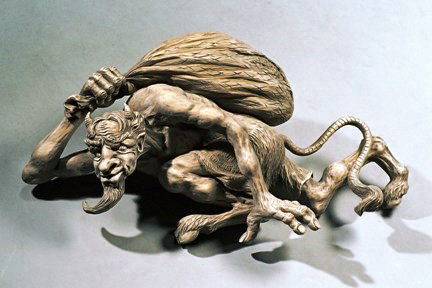
In Lithuanian mythology, Velnias is a significant figure that embodies a complex range of characteristics. Often translated as “devil” or “demon,” Velnias is not merely an evil entity; rather, he represents the duality of good and evil. He is a trickster, a creator, and a destroyer, playing an essential role in the folklore of Lithuania. The tales of Velnias are rich in symbolism and offer insights into the ancient beliefs and values of the Lithuanian people. This article delves into the various aspects of Velnias, exploring his origins, attributes, and the narratives that surround him.

Origins of Velnias
The origins of Velnias can be traced back to the ancient pagan beliefs of the Lithuanians. In pre-Christian times, the Baltic tribes worshipped various deities, and Velnias was often associated with the underworld and the afterlife. His name is believed to derive from the Proto-Baltic word for “to befall” or “to happen,” suggesting a connection to fate and destiny. Velnias was not always seen as malevolent; rather, he was a complex figure who could bring both fortune and misfortune, depending on the circumstances.
In many myths, Velnias is portrayed as a trickster who challenges the gods and humans alike. His actions often lead to unexpected consequences, highlighting the unpredictability of life. This duality is a central theme in Lithuanian folklore, where Velnias embodies the idea that good and evil are not absolute but rather intertwined. This understanding of Velnias reflects the worldview of the ancient Lithuanians, who recognized the balance of forces in nature and society.
Attributes and Characteristics
Velnias is characterized by his shape-shifting abilities, which allow him to take on various forms, including that of a handsome man, a serpent, or even a wild animal. This ability to transform is significant, as it symbolizes his connection to the natural world and the fluidity of existence. In many stories, Velnias uses his shape-shifting powers to deceive others, showcasing his cunning and intelligence. However, these traits also allow him to teach valuable lessons to those who encounter him.
 Vaižgantas
In addition to being a trickster, Velnias is often depicted as a guardian of the underworld. He oversees the realm of the dead and is responsible for the souls of the departed. This aspect of his character emphasizes the importance of the afterlife in Lithuanian culture, where respect for ancestors and the dead is paramount. Velnias’s role as a guardian also signifies the belief that death is not an end but rather a transformation, reinforcing the cycle of life and rebirth.
Velnias in Folklore
The stories of Velnias are rich with adventure and moral lessons. One common tale involves a hero who encounters Velnias and must outsmart him to achieve a goal. These narratives often highlight the themes of wisdom and resourcefulness, as the hero must use their intellect to navigate the challenges posed by Velnias. In these stories, Velnias serves as both an antagonist and a teacher, pushing the hero to grow and learn from their experiences.
- The Tale of the Clever Peasant: In this story, a poor peasant outwits Velnias by using his cunning to solve a series of challenges. The peasant’s intelligence ultimately earns him wealth and respect.
- Velnias and the Lost Soul: This narrative explores Velnias’s role in guiding a lost soul to the afterlife, showcasing his dual nature as both a trickster and a protector.
- The Dance of Velnias: In this tale, Velnias invites humans to a grand feast, where he tests their loyalty and courage. Those who pass his tests are rewarded, while those who fail face dire consequences.
These tales not only entertain but also serve to convey important cultural values, such as the significance of intelligence, bravery, and respect for the unknown. Velnias’s character embodies the complexities of human nature and the moral dilemmas that individuals face in their lives.
 Sietynas
Velnias and Nature
In Lithuanian mythology, Velnias is closely linked to nature and the natural world. He is often associated with forests, mountains, and rivers, which are seen as sacred spaces. Many myths describe Velnias as a protector of animals and the environment, reflecting the ancient Lithuanians’ deep connection to nature. This relationship is evident in the way Velnias interacts with the elements and creatures of the earth, often displaying a sense of reverence for the natural order.
Velnias’s connection to nature also highlights the importance of harmony and balance. In many stories, his actions lead to a disruption of this balance, prompting characters to restore it. This theme resonates with the belief that humans are part of a larger ecosystem and must respect the forces of nature. The reverence for nature in Velnias’s tales encourages a sense of stewardship and responsibility towards the environment, a value that remains relevant today.
Velnias in Modern Culture
In contemporary Lithuania, Velnias continues to be a figure of fascination and intrigue. His stories have been adapted into various forms of art, literature, and theater, showcasing the enduring legacy of this mythical character. Modern interpretations often explore the complexities of Velnias’s character, emphasizing his role as a symbol of duality and the human experience. Artists and writers draw inspiration from Velnias to address themes of identity, morality, and the relationship between humans and nature.
Festivals and cultural events also celebrate Velnias and other mythological figures, allowing communities to connect with their heritage. These gatherings often include traditional music, dance, and storytelling, creating a vibrant atmosphere that honors the past while embracing the present. Through these celebrations, Velnias’s stories continue to resonate with people, reminding them of the rich tapestry of Lithuanian mythology.
Velnias is a multifaceted figure in Lithuanian mythology, representing the complexities of good and evil, life and death, and the intricate relationship between humans and nature. His stories serve as a mirror reflecting the values and beliefs of the Lithuanian people, offering insights into their cultural identity. As a trickster, guardian, and teacher, Velnias embodies the richness of folklore and the enduring power of storytelling.
Through the exploration of Velnias, we gain a deeper understanding of Lithuanian mythology and its significance in shaping the cultural landscape. His tales remind us of the importance of wisdom, courage, and respect for the world around us, inviting us to reflect on our own lives and the choices we make. As we continue to share and celebrate these stories, the legacy of Velnias lives on, inspiring future generations to connect with their roots and embrace the beauty of their heritage.