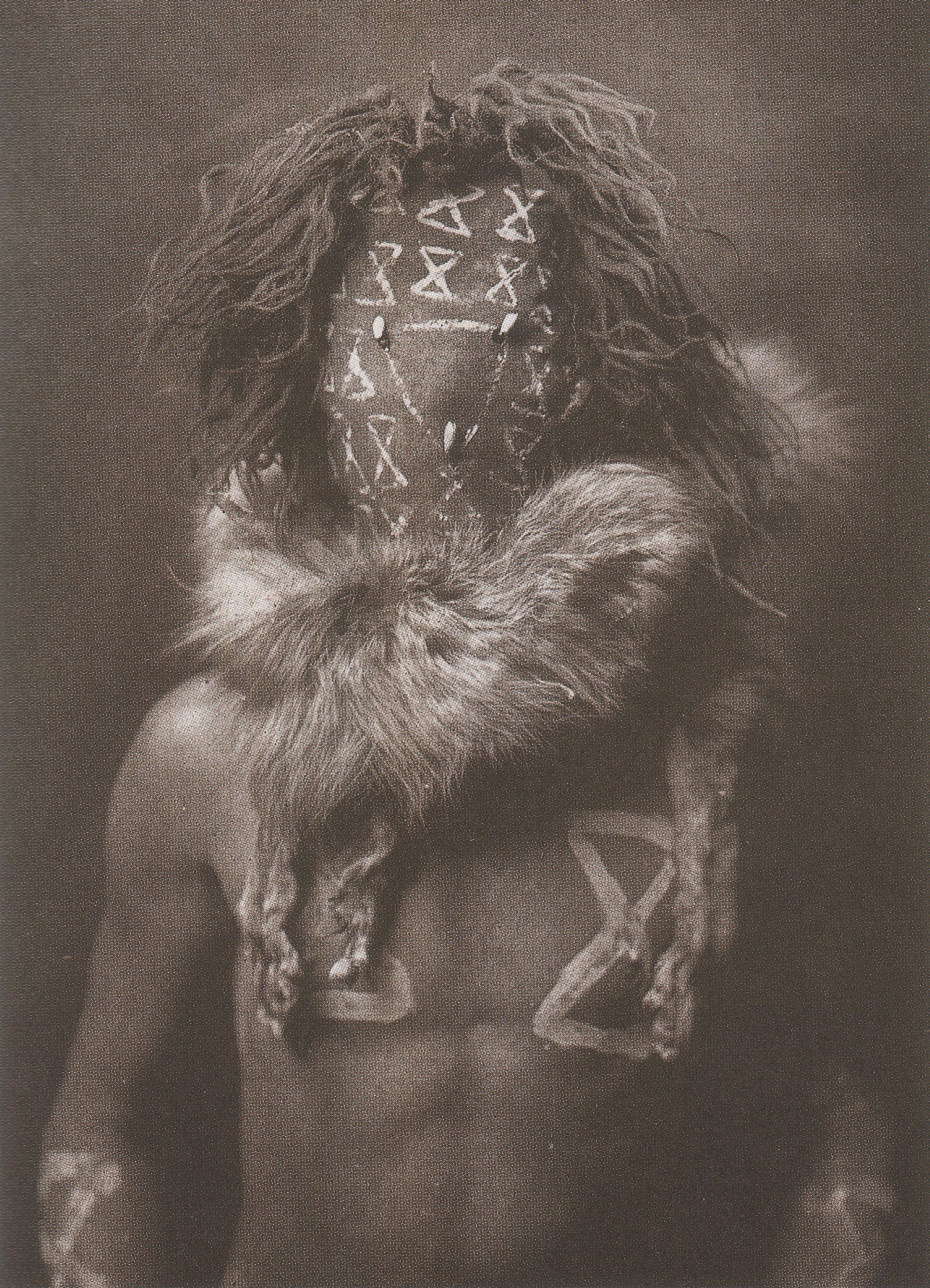
The Navajo mythology is rich and diverse, filled with a variety of stories, characters, and beliefs that have been passed down through generations. One of the intriguing figures within this mythology is Tobadzistsini, often referred to as the Water Monster. The tales surrounding Tobadzistsini offer insights into the Navajo understanding of the natural world and the importance of water in their culture. In this article, we will explore the various aspects of Tobadzistsini, including his characteristics, stories, and significance in Navajo beliefs.
Who is Tobadzistsini?
Tobadzistsini, known as the Water Monster, is a significant figure in Navajo mythology. He is often depicted as a powerful being associated with water bodies such as rivers and lakes. In many stories, Tobadzistsini is portrayed as a creature that can control water, reflecting the importance of water in the Navajo way of life. Water is not just a physical necessity; it is also a spiritual element that connects the Navajo people to their land and culture. Tobadzistsini embodies this connection, representing both the life-giving and destructive powers of water.
 Thelgeth
The name Tobadzistsini translates to “the one who is in the water.” This description emphasizes his domain over aquatic environments. He is often depicted as a large, fearsome creature, which serves as a reminder of the potential dangers that water can bring. The stories of Tobadzistsini teach important lessons about respect for nature and the need to coexist harmoniously with the environment.
Physical Characteristics of Tobadzistsini
In Navajo mythology, Tobadzistsini is described in various ways, often depending on the specific story being told. Commonly, he is depicted as a large, serpent-like creature with scales that shimmer in the water. His size and appearance evoke a sense of awe and fear, representing the power of water to both sustain life and cause destruction. The shimmering scales symbolize the beauty of nature, while also serving as a warning about the unpredictability of water bodies.
Additionally, Tobadzistsini is sometimes described as having multiple heads or eyes, which allows him to see everything happening in his watery domain. This characteristic underscores his role as a guardian of the waters. In some stories, he is said to have the ability to change his form, becoming a more human-like figure to interact with people. This transformation highlights the connection between the natural and spiritual worlds, emphasizing that beings like Tobadzistsini can traverse both realms.
 Nayenezgani
The Role of Tobadzistsini in Navajo Stories
Tobadzistsini appears in various Navajo stories that often convey moral lessons or cultural teachings. One of the most well-known tales involves a hero who must confront Tobadzistsini to restore balance to the water sources in the community. In this story, the hero represents the struggle against chaos and the need for harmony with nature. The encounter with Tobadzistsini serves as a metaphor for the challenges that people face when trying to understand and manage the natural world.
- Conflict and Resolution: The hero’s journey often involves conflict with Tobadzistsini, symbolizing the struggles that individuals must face in life.
- Respect for Nature: The stories emphasize the importance of respecting water and its sources, teaching the Navajo people about sustainability.
- Spiritual Connection: Tobadzistsini represents the deep spiritual connection the Navajo have with their land and water, reminding them of their responsibilities.
In many versions of the story, the hero ultimately learns to communicate with Tobadzistsini rather than fighting against him. This resolution highlights the importance of understanding and respecting the forces of nature rather than attempting to conquer them. The stories of Tobadzistsini thus serve as a guide for the Navajo people, teaching them to live in harmony with their environment.
The Symbolism of Water in Navajo Culture
Water holds a profound significance in Navajo culture, symbolizing life, purification, and renewal. Tobadzistsini, as the Water Monster, embodies these attributes and serves as a reminder of the sacredness of water. In Navajo belief, water is not merely a physical resource; it is a vital element that connects all living beings. The stories surrounding Tobadzistsini often highlight this relationship, emphasizing that water is both a source of sustenance and a powerful force that must be respected.
 Warrior Twins
Moreover, water is central to many Navajo ceremonies and rituals. It is used in healing practices, blessings, and various rites that mark important life events. The presence of Tobadzistsini in these stories reinforces the idea that water is a spiritual entity, deserving of reverence. By understanding Tobadzistsini and his connection to water, the Navajo people can better appreciate the role that water plays in their lives.
Lessons from Tobadzistsini
The tales of Tobadzistsini offer valuable lessons that resonate with the Navajo community. One of the primary teachings is the importance of balance and harmony in nature. The conflicts between the hero and Tobadzistsini often represent the struggles individuals face when trying to maintain equilibrium in their lives. These stories encourage the Navajo people to seek understanding and cooperation rather than confrontation, emphasizing the need to work together with nature.
- Balance: The stories highlight the need for balance in all aspects of life, including relationships with nature.
- Respect: Respecting the power of water and understanding its significance is a recurring theme.
- Cooperation: Working together with the forces of nature rather than against them leads to better outcomes.
Another crucial lesson from Tobadzistsini’s stories is the idea of adaptation. The hero’s ability to communicate and understand Tobadzistsini demonstrates the importance of being flexible and open-minded. This adaptability is essential for survival in a changing world, where the environment can be unpredictable. The lessons imparted by Tobadzistsini encourage the Navajo people to embrace change and find ways to thrive within it.
Tobadzistsini in Contemporary Culture
Today, Tobadzistsini continues to be a significant figure in Navajo culture, appearing in various forms of art, literature, and storytelling. Many contemporary Navajo artists draw inspiration from the tales of Tobadzistsini, creating works that reflect the deep connection between their culture and the natural world. These artistic expressions serve to keep the stories alive, ensuring that future generations understand the importance of water and the lessons taught by Tobadzistsini.
Additionally, the themes surrounding Tobadzistsini resonate with current environmental issues. As communities worldwide face challenges related to water scarcity and pollution, the teachings of Tobadzistsini become increasingly relevant. The stories serve as a reminder of the need to protect water sources and respect the natural environment. By reflecting on the lessons of Tobadzistsini, contemporary Navajo people can advocate for sustainability and environmental stewardship.
The Significance of Storytelling in Navajo Culture
Storytelling plays a crucial role in preserving Navajo culture and passing down knowledge from one generation to the next. The tales of Tobadzistsini are just one example of how stories can convey important lessons and cultural values. Through storytelling, the Navajo people share their history, beliefs, and understanding of the world around them. This oral tradition is essential for maintaining cultural identity and fostering a sense of community.
In Navajo culture, storytelling is often a communal activity, bringing people together to share experiences and wisdom. The stories of Tobadzistsini are typically told during gatherings, ceremonies, and special occasions. These narratives not only entertain but also educate listeners about the significance of water and the responsibilities that come with it. By engaging with these stories, the Navajo people reinforce their connection to their heritage and the environment.
Conclusion: The Enduring Legacy of Tobadzistsini
Tobadzistsini, the Water Monster, remains a powerful symbol in Navajo mythology, representing the complex relationship between humans and the natural world. Through his stories, the Navajo people learn important lessons about respect, balance, and cooperation with nature. As they navigate the challenges of modern life, the teachings of Tobadzistsini serve as a guide, encouraging them to honor the sacredness of water and the environment. The legacy of Tobadzistsini will continue to resonate within the Navajo community, ensuring that the wisdom of the past informs the future.