
Tsohanoai is a significant figure in Navajo mythology, representing the duality of life and the complex relationship between the physical and spiritual worlds. Known as the Sun or Sun God, Tsohanoai embodies the power of creation and the sustaining energy that is essential for life. The Navajo people, who refer to themselves as the Diné, have a rich tradition of storytelling and mythology, and Tsohanoai plays a crucial role in their cultural narratives. Through various tales and teachings, Tsohanoai is depicted as a powerful being who not only governs the sun but also influences the natural world, agricultural practices, and the well-being of the people.
The Origin of Tsohanoai
The origin stories of Tsohanoai are deeply embedded in the Navajo culture. According to traditional beliefs, Tsohanoai was born from the union of the Earth and the Sky. This birth symbolizes the balance between opposing forces, a central theme in Navajo cosmology. The story often illustrates how Tsohanoai emerged from the First World, a spiritual realm where the Diné ancestors began their journey. This emergence is celebrated as a time of transformation, marking the beginning of life as it is known today.
 Tonenili
In some narratives, Tsohanoai is also connected to the Hero Twins, Monster Slayer and Born-for-Water, who are central figures in Navajo mythology. These twins are often depicted as warriors who protect the people from evil forces. Tsohanoai provides them with the strength and guidance they need to overcome challenges. His role as a protector and guide emphasizes his importance in the Navajo belief system and highlights the interconnectedness of all beings.
The Significance of the Sun
The sun is a vital element in Navajo culture, and Tsohanoai, as the Sun God, holds immense significance. The sun is not only a source of light and warmth but also a symbol of life and growth. It plays a critical role in agriculture, which is essential for the survival of the Diné people. The changing positions of the sun throughout the day and the seasons are closely observed and celebrated, as they influence planting and harvesting cycles.
Moreover, Tsohanoai represents the idea of renewal and rebirth. Each day, as the sun rises, it brings new opportunities and hope. This cycle of day and night mirrors the cycles of life, death, and rebirth that are prevalent in Navajo teachings. The sun’s journey across the sky serves as a reminder of the importance of balance and harmony in life.
 Thelgeth
Tsohanoai in Navajo Rituals
Tsohanoai is honored in various rituals and ceremonies throughout the year. One of the most important is the Sunrise Ceremony, which is a rite of passage for young Navajo women. This ceremony marks their transition into womanhood and is a way to celebrate their connection to Tsohanoai and the life-giving properties of the sun. During this ritual, participants pray to Tsohanoai, seeking blessings for strength, wisdom, and guidance as they embark on their new journey.
In addition to the Sunrise Ceremony, Tsohanoai is also invoked during agricultural rituals. As the Diné people rely heavily on farming, they hold ceremonies to ensure a bountiful harvest. These rituals often include offerings and prayers directed to Tsohanoai, asking for favorable weather and abundant crops. The relationship between the people and Tsohanoai emphasizes the reliance on natural forces and the respect that the Diné have for the environment.
Symbolism of Tsohanoai
Tsohanoai is rich in symbolism, representing various aspects of life and nature. As the Sun God, he embodies the concept of duality, reflecting the balance between light and dark, life and death, and creation and destruction. This duality is essential in Navajo philosophy, where harmony is sought in all things. Tsohanoai’s character teaches the importance of understanding and respecting the interconnectedness of all elements in the universe.
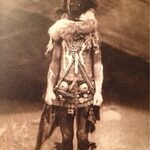 Nayenezgani
Furthermore, Tsohanoai is often associated with the color yellow, symbolizing light, warmth, and growth. Yellow is a significant color in Navajo culture, representing the sun’s rays that nurture the earth. In many ceremonies, the use of yellow cornmeal is common as an offering to Tsohanoai, highlighting the connection between the sun, agriculture, and sustenance.
Tsohanoai and the Natural World
Tsohanoai’s influence extends beyond the human realm; he is deeply connected to the natural world and all living beings. As the Sun God, he provides the energy necessary for plants to grow, animals to thrive, and ecosystems to flourish. This relationship between Tsohanoai and nature is a reflection of the Navajo belief in the importance of living in harmony with the environment. The Diné people see themselves as stewards of the land, responsible for maintaining balance and protecting the earth.
Many Navajo stories illustrate how Tsohanoai interacts with various elements of nature. For example, it is said that he brings rain to nourish the crops and ensures the changing of the seasons. This connection to the natural world emphasizes the idea that all beings, including humans, are interdependent. Tsohanoai’s role as a life-giver reinforces the notion that respecting and caring for the earth is essential for survival.
Tsohanoai in Modern Navajo Culture
In contemporary Navajo culture, Tsohanoai remains a powerful symbol and is still revered in various forms. The teachings and stories about Tsohanoai continue to be passed down through generations, helping to maintain cultural identity and spiritual beliefs. Modern Navajo artists, musicians, and storytellers often draw inspiration from Tsohanoai and other mythological figures, incorporating them into their works to reflect the richness of their heritage.
Additionally, Tsohanoai’s themes of balance, harmony, and respect for nature resonate strongly in today’s discussions about environmental conservation and sustainability. Many Navajo people advocate for the protection of their land and resources, drawing on the teachings of Tsohanoai as a guiding principle. This connection to their mythology serves as a reminder of the importance of living in harmony with the earth and recognizing the sacredness of all life.
Tsohanoai is a central figure in Navajo mythology, embodying the essence of the sun and its vital role in sustaining life. His stories and teachings highlight the importance of balance, harmony, and respect for nature, principles that continue to guide the Navajo people today. Through rituals, art, and storytelling, Tsohanoai remains a powerful symbol of cultural identity and spiritual connection, illustrating the enduring significance of Navajo mythology in contemporary life.