
Tonenili is a significant figure in Navajo mythology, representing the concept of renewal and the changing seasons. This deity is often associated with the earth and the natural cycles that govern life. The Navajo people, known for their rich cultural heritage, have woven stories and traditions around Tonenili that reflect their deep connection to the land and the universe. This article will explore various aspects of Tonenili, including his attributes, stories, and the role he plays in Navajo beliefs.
Attributes of Tonenili
Tonenili is often depicted as a powerful being who governs the elements of nature. His essence is tied to the cycle of life, representing growth, decay, and renewal. The Navajo believe that Tonenili has the ability to control the weather, influencing the rain and the sun, which are vital for the crops and animals. He embodies the spirit of fertility and the harvest, making him a revered figure among the people who depend on agriculture for their survival.
 Thelgeth
In Navajo culture, Tonenili is also associated with the changing seasons. As the seasons transition from one to another, his presence is felt through the shifts in weather patterns and the changes in the landscape. During the spring, for instance, Tonenili is celebrated for bringing rain that nourishes the earth, leading to the growth of plants and the awakening of life. In contrast, during winter, he is recognized for the stillness and rest that the earth undergoes, preparing for the cycle of renewal.
Stories of Tonenili
The stories surrounding Tonenili are rich and varied, reflecting the values and beliefs of the Navajo people. One popular tale describes how Tonenili traveled across the land, bringing life and abundance wherever he went. In this story, he encounters a barren landscape and uses his powers to summon rain clouds. As the rain falls, the earth transforms into a vibrant landscape filled with plants and animals. This narrative emphasizes the importance of balance in nature and the interconnectedness of all living beings.
Another significant story involves Tonenili’s relationship with the sun and the moon. In this tale, Tonenili negotiates with these celestial bodies to ensure that the cycles of day and night continue without disruption. His ability to maintain this balance is seen as a testament to his strength and wisdom. The Navajo people often recount this story during ceremonies to remind themselves of the harmony that exists in the universe and their role in preserving it.
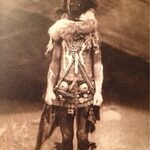 Nayenezgani
The Role of Tonenili in Navajo Ceremonies
Tonenili plays a crucial role in various Navajo ceremonies that honor the earth and the changing seasons. One of the most important ceremonies is the Blessingway, which is performed to promote harmony and balance in the lives of the participants. During this ceremony, songs and prayers are offered to Tonenili, asking for his blessings on the crops and the community. The ritual emphasizes the relationship between the people and the natural world, highlighting the importance of respecting and nurturing the earth.
Additionally, the Navajo celebrate the arrival of spring with special ceremonies dedicated to Tonenili. These events often include traditional dances, songs, and offerings to honor the deity. The ceremonies serve as a way for the community to come together and express gratitude for the blessings of the earth. They also reinforce the idea that Tonenili is a protector and provider, ensuring that the cycles of life continue.
Tonenili and Navajo Cosmology
In the broader context of Navajo cosmology, Tonenili is one of many deities that represent different aspects of life and the universe. The Navajo worldview is deeply interconnected, with each element of nature playing a specific role in the overall harmony of existence. Tonenili’s connection to the earth and the seasons places him in a unique position within this cosmology, as he embodies the principles of renewal and transformation.
 Warrior Twins
The Navajo believe that understanding Tonenili and his role in the natural world is essential for maintaining balance in their lives. This understanding is reflected in their practices and beliefs, where respect for nature and its cycles is paramount. By honoring Tonenili, the Navajo people acknowledge their dependence on the earth and the importance of living in harmony with it.
Modern Interpretations of Tonenili
In contemporary times, the figure of Tonenili has been embraced by many Navajo people as a symbol of cultural identity and resilience. As the world changes and modern challenges arise, Tonenili’s teachings about balance and renewal resonate deeply with the Navajo community. Many individuals and groups are working to preserve traditional stories and practices related to Tonenili, ensuring that future generations understand his significance.
Additionally, Tonenili’s association with the natural world has inspired environmental initiatives among the Navajo. Recognizing the challenges posed by climate change and environmental degradation, many people are looking to Tonenili’s teachings for guidance. By honoring the earth and its cycles, they aim to foster a sustainable future that respects the land and its resources.
The Symbolism of Tonenili
Tonenili is rich in symbolism, representing not only the physical aspects of nature but also the spiritual dimensions of life. His connection to the earth signifies the importance of grounding oneself in reality and appreciating the beauty of the natural world. The Navajo view Tonenili as a reminder of the cycles of life, emphasizing that every ending is also a beginning. This cyclical understanding of existence encourages individuals to embrace change and transformation.
Furthermore, Tonenili embodies the values of community and interdependence. The stories and ceremonies dedicated to him highlight the importance of coming together to honor the earth and support one another. In a world that often emphasizes individualism, Tonenili’s teachings serve as a powerful reminder of the strength found in unity and collaboration.
Artistic Representations of Tonenili
The figure of Tonenili has inspired various forms of art within the Navajo community. Artists often depict him in traditional paintings, carvings, and textiles, showcasing his connection to nature and the seasons. These artistic representations serve not only as expressions of creativity but also as a means of preserving cultural heritage. Through art, the stories and teachings of Tonenili are passed down from generation to generation, keeping his legacy alive.
Additionally, art inspired by Tonenili often incorporates symbols and motifs related to the earth, such as plants, animals, and celestial bodies. These elements reflect the interconnectedness of all living things and the importance of maintaining harmony with the natural world. For many artists, creating works that honor Tonenili is a way to express their cultural identity and share their beliefs with a wider audience.
Tonenili in Education and Cultural Preservation
The teachings and stories of Tonenili play a vital role in the education of Navajo youth. Many schools within the Navajo Nation incorporate lessons about Tonenili and other deities into their curricula, emphasizing the importance of cultural knowledge and identity. By learning about Tonenili, students gain a deeper understanding of their heritage and the values that shape their community.
Furthermore, cultural preservation efforts focused on Tonenili aim to ensure that traditional stories, ceremonies, and practices are not lost to time. Elders within the community often share their knowledge with younger generations, fostering a sense of connection to the past. These efforts are crucial in maintaining the cultural identity of the Navajo people and ensuring that the teachings of Tonenili continue to resonate.
The Global Impact of Tonenili’s Teachings
While Tonenili is a figure rooted in Navajo mythology, his teachings about balance, renewal, and respect for nature have a broader relevance that extends beyond cultural boundaries. In an era marked by environmental challenges and social upheaval, the principles embodied by Tonenili can serve as a guiding light for individuals and communities worldwide. His emphasis on interconnectedness reminds us that our actions have consequences, and we must strive to live in harmony with the earth.
Many environmental movements have drawn inspiration from indigenous teachings, including those related to Tonenili. By advocating for sustainable practices and a deeper connection to nature, these movements highlight the wisdom of indigenous cultures in addressing contemporary issues. Tonenili’s message of renewal encourages us to reflect on our relationship with the environment and consider how we can contribute to a more sustainable future.
The figure of Tonenili in Navajo mythology serves as a powerful symbol of renewal, balance, and the interconnectedness of all living things. Through stories, ceremonies, and artistic representations, the teachings of Tonenili continue to resonate within the Navajo community and beyond. His enduring legacy reminds us of the importance of respecting the earth and embracing the cycles of life, encouraging a harmonious existence for all.