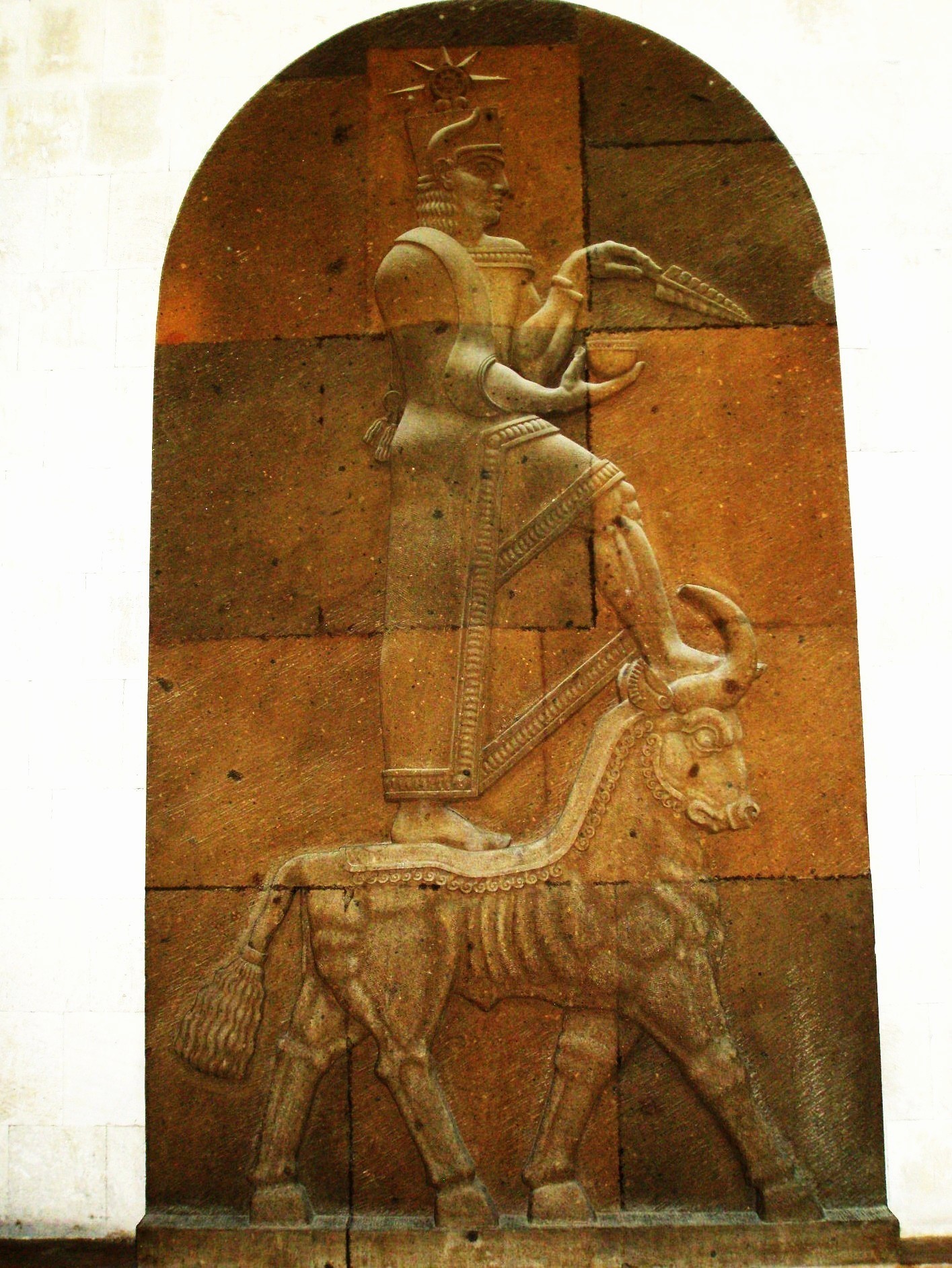
Teisheba is a prominent figure in Middle Eastern mythology, particularly within the ancient cultures of the Hurrians and the Hittites. This deity is often associated with storms, war, and the heavens. Teisheba is recognized for his power and strength, embodying the forces of nature and the might of the warrior. His character is multifaceted, representing not only the fury of storms but also the protective aspects of a god who safeguards his people. The mythology surrounding Teisheba offers insights into the values and beliefs of ancient societies, reflecting their understanding of nature and the divine.
Origins of Teisheba
The origins of Teisheba can be traced back to the ancient Hurrian civilization, which flourished in the region of modern-day Turkey and northern Syria. The Hurrians had a rich pantheon of gods, and Teisheba held a significant place within it. He is often depicted as a powerful figure, wielding a thunderbolt and riding a fierce bull, symbols of his dominion over storms and warfare. The Hittites, who later absorbed much of Hurrian culture, also revered Teisheba, further cementing his status as a major deity in the region.
 Noah
NoahTeisheba’s name is believed to mean “the one who brings the storm,” which is fitting given his association with thunder and rain. In ancient texts, he is often invoked during times of drought or conflict, as people sought his favor for rain and victory in battle. This reflects the deep connection between the people and their environment, as they relied on the forces of nature for their survival. The mythology of Teisheba emphasizes the importance of divine intervention in human affairs, illustrating how ancient cultures sought to understand and influence the world around them.
Attributes and Symbolism
Teisheba is characterized by several attributes that symbolize his power and influence. One of his most notable symbols is the thunderbolt, which represents his control over storms and the skies. This imagery is common in many mythologies, where thunder gods are depicted wielding bolts of lightning as weapons. Additionally, Teisheba is often shown with a bull, which symbolizes strength, fertility, and the life-giving aspects of nature. The bull is a significant animal in many ancient cultures, representing both agricultural abundance and the ferocity of warfare.
In terms of his personality, Teisheba is portrayed as a fierce protector of his people. He is not only a god of destruction but also a deity who provides safety and security. This duality is essential in understanding his role within the pantheon. While he could unleash devastating storms, he also had the power to bring rain and fertility to the land. This balance between destruction and creation is a common theme in mythology, illustrating the complexity of divine figures and their influence on human lives.
 Moses
MosesTeisheba in Myths and Legends
Teisheba appears in various myths and legends, often engaging in battles against other gods or monstrous beings. One of the most famous stories involves his conflict with the dragon Illuyanka, a creature that symbolizes chaos and destruction. In this tale, Teisheba must confront Illuyanka to restore order and balance to the world. The battle between the two is not just a physical confrontation but also represents the struggle between civilization and chaos, a common theme in many mythologies.
- Teisheba’s battle with Illuyanka highlights the importance of heroism and bravery in ancient cultures.
- The story emphasizes the need for divine intervention in the face of overwhelming chaos.
- Ultimately, Teisheba’s victory restores peace and order, showcasing his role as a protector.
Another significant myth involving Teisheba is his relationship with the goddess Hannahannah, who is often depicted as his consort. Together, they represent the balance between male and female divine forces. Hannahannah is associated with the earth and fertility, while Teisheba embodies the sky and storms. Their union symbolizes the interconnectedness of different elements of nature, illustrating how they work together to sustain life. This partnership also reflects the ancient belief in the necessity of harmony between opposing forces, a concept that resonates throughout various mythologies.
 Manticore
Worship and Cult Practices
The worship of Teisheba was prevalent in ancient societies, particularly among the Hurrians and Hittites. Temples dedicated to him were constructed in significant locations, often near natural features like rivers or mountains, which were believed to be sacred. Rituals and offerings were made to honor Teisheba, seeking his favor for good weather, successful harvests, and victory in battles. These practices highlight the importance of religion in everyday life, as people sought to appease the gods to ensure their well-being.
One common practice involved the sacrifice of animals, particularly bulls, as offerings to Teisheba. This act was seen as a way to demonstrate devotion and gratitude. Additionally, festivals were held in his honor, celebrating his power and influence. During these events, people would gather to perform rituals, sing hymns, and tell stories of his deeds. These communal activities fostered a sense of unity and shared belief, reinforcing the cultural identity of the community.
Modern Interpretations and Legacy
Today, Teisheba remains a fascinating figure within the study of Middle Eastern mythology. Scholars and enthusiasts continue to explore his stories and attributes, seeking to understand how ancient peoples perceived the natural world. The myths surrounding Teisheba offer valuable insights into the values, fears, and aspirations of the Hurrian and Hittite cultures. By examining these narratives, we can gain a deeper appreciation for the complexity of ancient belief systems and their relevance to modern society.
- Teisheba’s legacy is evident in various cultural references, including literature and art.
- His character serves as a reminder of the enduring human fascination with the forces of nature.
- Modern interpretations often focus on the themes of duality and balance in the natural world.
Furthermore, the study of Teisheba contributes to a broader understanding of how mythology shapes cultural identity. As societies evolve, their myths often adapt, reflecting contemporary values and challenges. Teisheba’s enduring presence in modern discussions of mythology highlights the timeless nature of these stories, as they continue to resonate with audiences today.
Comparative Mythology
When examining Teisheba, it is essential to consider his place within the broader context of comparative mythology. Many cultures around the world have deities associated with storms and warfare, such as Zeus in Greek mythology and Thor in Norse mythology. These figures share common traits with Teisheba, including their roles as protectors and their connections to natural phenomena. By comparing these deities, we can identify universal themes that transcend individual cultures, revealing the shared human experience.
For instance, the battle between Teisheba and Illuyanka can be likened to the struggles faced by other storm gods in their respective mythologies. These narratives often reflect the ancient belief in the cyclical nature of life, where chaos and order are in constant flux. The similarities between these myths suggest that cultures around the world have grappled with the same fundamental questions about existence, power, and the forces that shape their lives.
Influence on Art and Literature
Teisheba’s influence extends beyond religious practices and myths; he has also inspired various forms of art and literature throughout history. Ancient artifacts, such as reliefs and pottery, often depict scenes related to Teisheba’s mythology, showcasing his importance in the cultural narrative. These artistic representations serve as a visual testament to the reverence held for this deity, providing insights into the aesthetic values of the time.
- Modern artists and writers continue to draw inspiration from Teisheba’s stories.
- His character embodies themes of power, protection, and the relationship between humanity and nature.
- Literature that explores similar motifs often references ancient mythological figures, creating a dialogue between past and present.
Additionally, Teisheba’s narratives have found their way into contemporary storytelling, where elements of his character are reinterpreted for modern audiences. The themes of struggle against chaos and the quest for balance resonate in various genres, from fantasy novels to films. By examining these modern interpretations, we can see how ancient myths continue to shape cultural narratives and influence creative expression.
The Role of Teisheba in Society
Teisheba’s significance in ancient societies extended beyond mythology and religion; he played a crucial role in shaping social values and norms. As a god of storms and warfare, he embodied the ideals of strength, bravery, and protection. These qualities were highly valued in ancient cultures, where survival often depended on the ability to confront challenges and defend one’s community. Teisheba’s character served as a model for warriors and leaders, inspiring them to emulate his courage in the face of adversity.
The reverence for Teisheba also reinforced the importance of community and cooperation. In times of crisis, people would come together to seek his favor, highlighting the collective responsibility of the community to honor their gods. This communal aspect of worship fostered a sense of belonging and shared purpose, strengthening social bonds and cultural identity. The stories of Teisheba and his interactions with other gods and humans further emphasized the interconnectedness of society and the divine, illustrating how the two realms influence one another.
Educational Aspects of Teisheba’s Mythology
Teisheba’s mythology also serves an educational purpose, teaching valuable lessons about the natural world and human behavior. Through the stories of his battles and triumphs, ancient cultures conveyed important messages about the necessity of courage, resilience, and respect for nature. These narratives often included moral lessons, guiding individuals on how to navigate the challenges of life. The lessons embedded in Teisheba’s myths remain relevant today, offering timeless wisdom for contemporary audiences.
- Myths like those of Teisheba encourage critical thinking about the relationship between humans and the environment.
- They provide a framework for understanding the consequences of actions and the importance of balance.
- Educational interpretations of these myths can inspire discussions about environmental stewardship and social responsibility.
Moreover, the study of Teisheba’s mythology can foster an appreciation for cultural diversity and the richness of human experience. By exploring the stories of different deities and their roles in society, individuals can gain a deeper understanding of the values and beliefs that shape various cultures. This exploration encourages empathy and respect for the diverse ways in which people interpret the world around them.
Conclusion of Teisheba’s Mythological Journey
Teisheba’s journey through mythology reflects the complexities of ancient belief systems and their enduring relevance in today’s world. As a powerful deity associated with storms and warfare, he embodies the dualities of destruction and protection, chaos and order. The stories surrounding Teisheba not only offer insights into the values of ancient cultures but also serve as a reminder of the interconnectedness of humanity and nature.
Through the exploration of Teisheba’s origins, attributes, myths, and worship practices, we can appreciate the richness of Middle Eastern mythology and its influence on contemporary society. The lessons learned from Teisheba’s tales continue to resonate, encouraging us to reflect on our own relationship with the natural world and the divine. As we delve into the stories of ancient gods, we uncover timeless truths that speak to the human experience, bridging the gap between past and present.