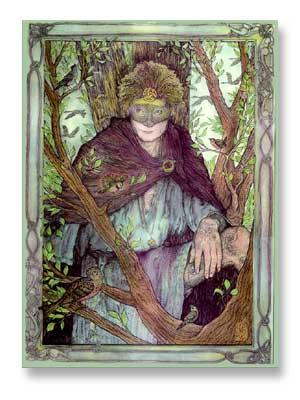
Tegid Foel is a fascinating figure in Welsh mythology. He is known primarily as the husband of Blodeuwedd, a woman created from flowers. This story is part of the Mabinogi, a collection of tales from medieval Welsh literature. Tegid Foel’s character embodies themes of nature, transformation, and the complexities of love and betrayal. His life and the events surrounding him provide a rich tapestry of symbolism and meaning, reflecting the values and beliefs of ancient Welsh culture.
The Origins of Tegid Foel
Tegid Foel’s origins are rooted deeply in Welsh folklore. He is often described as a powerful figure associated with the magical and the natural world. His name, which translates to “Tegid the Bald,” suggests a connection to wisdom and maturity. This is important because in many cultures, baldness can symbolize a deep understanding of life’s complexities. Tegid Foel is often depicted as a wise and noble character, reflecting the qualities admired in leaders of his time.
 Taliesin
In the tales of the Mabinogi, Tegid Foel is the son of Llŷr and Penarddun, making him part of a significant lineage. His familial connections place him among other notable figures in Welsh mythology, linking him to stories of heroism and tragedy. This lineage is important as it establishes his status and the expectations placed upon him as a character in the myths.
The landscape of Wales, rich with forests, mountains, and rivers, plays a crucial role in the stories surrounding Tegid Foel. He is often associated with the beauty and mystery of nature, which reflects the ancient Welsh people’s deep respect for their environment. This connection to nature is essential in understanding his character and the events that unfold in his story.
Tegid Foel and Blodeuwedd
The relationship between Tegid Foel and Blodeuwedd is one of the most compelling aspects of his story. Blodeuwedd, whose name means “Flower Face,” was created by the powerful magician Gwydion from the flowers of the oak, meadowsweet, and broom. This magical creation symbolizes purity and beauty, making her a fitting partner for Tegid Foel, who represents nature and wisdom. Their union is celebrated, but it is also fraught with challenges and ultimately leads to tragic consequences.
 Rhiannon
When Gwydion created Blodeuwedd for Tegid Foel, it was meant to be a perfect match. However, Blodeuwedd’s story takes a dark turn when she falls in love with another man, Llŷr. This betrayal leads to a series of events that highlight the themes of love, betrayal, and the consequences of choices. Tegid Foel’s character is tested as he navigates the emotional turmoil brought on by Blodeuwedd’s actions.
The relationship between Tegid Foel and Blodeuwedd is a reflection of the complexities of love. Their initial bond is based on beauty and magic, but as the story unfolds, it reveals deeper themes of loyalty and trust. This dynamic is crucial in understanding the human experience, as it mirrors the struggles that many face in their own relationships.
The Tragic Fate of Blodeuwedd
Blodeuwedd’s fate is one of the most tragic elements in the tale of Tegid Foel. After her affair with Llŷr is discovered, Gwydion punishes her by transforming her into an owl. This transformation serves as a powerful symbol of loss and isolation. The owl, often associated with wisdom, now represents a creature of the night, forever disconnected from the beauty of the day. This punishment reflects the harsh realities of betrayal and the consequences that follow.
 Pwyll
PwyllThe transformation of Blodeuwedd into an owl also emphasizes the theme of nature in the story. While Tegid Foel is deeply connected to the natural world, Blodeuwedd’s punishment ties her to a different aspect of nature—one that is darker and more somber. This duality highlights the complexities of their characters and the intricate relationship they share with the world around them.
Tegid Foel’s response to Blodeuwedd’s transformation is not one of vengeance but rather one of sorrow. His character is marked by a sense of understanding and compassion, even in the face of betrayal. This reaction underscores the importance of empathy and forgiveness, showing that love can endure even in the most challenging circumstances.
The Legacy of Tegid Foel
Tegid Foel’s legacy extends beyond his personal story. He represents the interconnectedness of nature and humanity, a theme that resonates throughout Welsh mythology. His character serves as a reminder of the importance of respecting the natural world and understanding our place within it. The tales of Tegid Foel and Blodeuwedd continue to inspire discussions about love, loyalty, and the consequences of our actions.
The story of Tegid Foel has been retold in various forms, from literature to art, reflecting its enduring appeal. Artists and writers have drawn on his character to explore themes of transformation and the human experience. This ongoing interest highlights the timeless nature of these myths and their relevance in contemporary society.
Moreover, Tegid Foel is often celebrated in Welsh culture as a symbol of wisdom and connection to the land. His story encourages a deeper appreciation for the beauty of nature and the complexities of human relationships. As people continue to engage with these myths, they keep the spirit of Tegid Foel alive, ensuring that his legacy endures for future generations.
The Symbolism of Nature in Tegid Foel’s Story
Nature plays a crucial role in the story of Tegid Foel. The landscapes described in the tales are not merely backdrops; they are integral to the narrative. The forests, rivers, and mountains reflect the emotions and experiences of the characters. For instance, the beauty of Blodeuwedd is mirrored in the flowers from which she was created, emphasizing the theme of natural beauty and its connection to human relationships.
Additionally, Tegid Foel’s connection to nature symbolizes the wisdom that comes from living in harmony with the environment. His character encourages a sense of responsibility towards nature, reminding us of the delicate balance that exists between humanity and the natural world. This theme resonates strongly in today’s society, where environmental issues are increasingly pressing.
The transformation of Blodeuwedd into an owl also reinforces the idea that nature can reflect human emotions and experiences. Owls, often seen as wise creatures, embody the lessons learned from Blodeuwedd’s story. Her transformation serves as a cautionary tale about the consequences of choices, reminding us that our actions can lead to unforeseen outcomes.
The Role of Gwydion in the Story
Gwydion is a pivotal character in the tales surrounding Tegid Foel. As a powerful magician, he plays a crucial role in the creation of Blodeuwedd and the events that follow. His actions drive the narrative forward, illustrating the impact of magic and manipulation in the world of Welsh mythology. Gwydion’s character is complex; he embodies both the creative and destructive forces of magic.
Gwydion’s decision to create Blodeuwedd for Tegid Foel was meant to be an act of love and generosity. However, this act also sets in motion a chain of events that leads to tragedy. His character serves as a reminder of the unintended consequences that can arise from even the best intentions. This theme resonates with audiences, highlighting the importance of considering the potential outcomes of our actions.
Moreover, Gwydion’s relationship with Tegid Foel adds another layer to the story. As a friend and ally, Gwydion’s actions ultimately affect Tegid Foel’s life and happiness. This dynamic emphasizes the interconnectedness of relationships and the impact individuals can have on one another’s lives. Gwydion’s character challenges readers to reflect on their own relationships and the influence they wield over others.
Comparisons with Other Mythological Figures
Tegid Foel shares similarities with other figures in mythology, particularly those associated with nature and transformation. In various cultures, there are characters who embody the spirit of the land and serve as protectors of nature. For instance, figures like Pan in Greek mythology and Cernunnos in Celtic traditions also represent the deep connection between humanity and the natural world.
These comparisons highlight a common theme in mythology: the relationship between humans and nature. Just as Tegid Foel navigates the complexities of love and betrayal, other mythological figures also face challenges that test their character and values. This shared experience across cultures underscores the universal themes found in mythology, making these stories relevant to people from all backgrounds.
Furthermore, the stories of Tegid Foel and Blodeuwedd can be compared to other tales of transformation and redemption found in various mythologies. Characters who undergo significant changes often learn important lessons about love, loyalty, and the consequences of their actions. These narratives serve as powerful reminders of the complexities of the human experience and the growth that can come from adversity.
The Cultural Impact of Tegid Foel
Tegid Foel’s story has had a significant impact on Welsh culture and identity. As a prominent figure in Welsh mythology, he represents the rich storytelling traditions of the region. The tales of Tegid Foel and Blodeuwedd are often taught in schools and celebrated in cultural events, ensuring that these stories remain alive in the collective memory of the Welsh people.
The cultural significance of Tegid Foel extends beyond literature. His character is often depicted in art, music, and performance, showcasing the enduring appeal of these myths. Festivals celebrating Welsh heritage frequently include references to Tegid Foel, highlighting his role in shaping the cultural landscape of Wales. This celebration of mythology fosters a sense of pride and connection to the past.
Moreover, Tegid Foel’s story resonates with contemporary audiences, as themes of love, betrayal, and transformation remain relevant in modern society. Artists and writers continue to draw inspiration from his tale, exploring the complexities of human relationships and the consequences of our actions. This ongoing engagement with the story ensures that Tegid Foel’s legacy endures, bridging the gap between ancient mythology and contemporary culture.
Modern Interpretations of Tegid Foel
In recent years, Tegid Foel has been reinterpreted in various forms of media, including literature, theater, and visual arts. These modern adaptations often seek to explore the themes of his story in new and innovative ways. By reimagining Tegid Foel’s character and the events surrounding him, contemporary creators provide fresh perspectives on timeless themes.
For example, some writers have focused on the emotional complexities of Tegid Foel’s relationship with Blodeuwedd, delving deeper into the motivations and feelings of the characters. This exploration allows for a richer understanding of their experiences and the challenges they face. Such interpretations encourage audiences to reflect on their own relationships and the intricacies of love and betrayal.
Additionally, visual artists have depicted Tegid Foel in various styles, capturing the beauty of nature and the emotional depth of his story. These artistic representations often emphasize the connection between humanity and the natural world, highlighting the importance of preserving our environment. By showcasing Tegid Foel’s character through art, creators continue to engage with the themes of the mythology in meaningful ways.
The story of Tegid Foel is a profound exploration of love, nature, and the consequences of our actions. Through his relationship with Blodeuwedd and the challenges they face, we gain insight into the complexities of human emotions and the importance of empathy and understanding. As we continue to engage with this rich tapestry of Welsh mythology, the legacy of Tegid Foel remains alive, inspiring future generations to reflect on the timeless themes that resonate within his story.