Pwyll is a significant figure in Welsh mythology, known primarily from the Mabinogion, a collection of medieval Welsh tales. He is often depicted as a prince of Dyfed, a region in southwest Wales. The stories surrounding Pwyll explore themes of friendship, honor, and the challenges of leadership. Pwyll’s adventures not only highlight his character but also reveal much about the cultural values of the time. The tales serve as a fascinating window into the ancient Welsh worldview, where the boundaries between the human and the supernatural were often blurred.
The Origin of Pwyll
Pwyll is introduced in the first branch of the Mabinogion, which is known as “Pwyll Pendefig Dyfed.” In this story, he is described as a noble and wise leader. His character is marked by a strong sense of justice and a deep desire to protect his people. Pwyll’s lineage is important; he is the son of Don, and his heritage plays a crucial role in his identity as a leader. The tales often emphasize the significance of lineage in Welsh culture, showcasing how one’s family background can influence destiny and social standing.
 Math
MathOne of the key elements of Pwyll’s story is his connection to the Otherworld, a mystical realm inhabited by magical beings. This connection is established when Pwyll encounters Arawn, the king of Annwn, the Welsh underworld. Their meeting marks the beginning of a profound friendship that will have lasting implications for both characters. The interaction between Pwyll and Arawn demonstrates the importance of alliances in mythology, where relationships often transcend the physical world and involve mystical exchanges.
The Encounter with Arawn
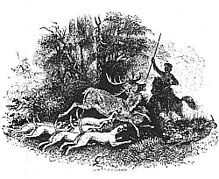
The story of Pwyll and Arawn begins when Pwyll hunts in the woods of Dyfed. During his hunt, he chases a magnificent stag that leads him to a strange realm. Here, he meets Arawn, who is in dire need of assistance. Arawn proposes a plan: Pwyll will take his place in the Otherworld for a year to defeat Arawn’s enemy, Hafgan. This agreement is significant as it highlights themes of trust and loyalty. Pwyll’s willingness to help Arawn speaks to his noble character and sets the stage for the unfolding events.
During his time in the Otherworld, Pwyll faces numerous challenges. He must navigate the intricacies of Arawn’s kingdom, learning to understand its rules and customs. The experiences he undergoes not only test his bravery but also deepen his understanding of leadership. He learns that being a ruler involves making difficult decisions for the greater good. The lessons he acquires during this year are vital as they shape his character and prepare him for future challenges in his own realm.
 Manawydan
The Transformation of Pwyll
As Pwyll spends time in Arawn’s realm, he undergoes a transformation. He becomes more than just a prince of Dyfed; he evolves into a leader who understands the complexities of power and responsibility. This transformation is symbolized through his experiences and the relationships he builds in the Otherworld. Pwyll’s encounter with Arawn serves as a rite of passage, marking his transition from a young and inexperienced leader to a wise and capable ruler.
One of the pivotal moments in this transformation occurs during the confrontation with Hafgan. Pwyll must demonstrate his skills as a warrior and strategist to defeat Hafgan and secure Arawn’s kingdom. The battle is not merely a physical confrontation; it represents the struggle between good and evil, light and darkness. Pwyll’s victory over Hafgan signifies not just personal triumph but also the restoration of balance in Arawn’s realm. This victory reinforces the idea that true leadership requires strength, intelligence, and moral integrity.
Pwyll’s Return to Dyfed
After fulfilling his promise to Arawn, Pwyll returns to his own realm of Dyfed. His time in the Otherworld has left a lasting impact on him. He is now equipped with a deeper understanding of what it means to be a leader. Upon his return, he finds his kingdom thriving, and his people respect him more than ever. Pwyll’s experiences have not only enhanced his abilities but have also solidified his bond with his people, who recognize his growth and the wisdom he has gained.
 Mabon
MabonOne of the most notable aspects of Pwyll’s return is his newfound friendship with Arawn. Their bond transcends the usual relationships between rulers, illustrating the depth of loyalty and respect that can exist between leaders. Pwyll’s commitment to maintaining this friendship highlights the importance of alliances in both personal and political spheres. Their relationship serves as a model for future interactions between rulers, emphasizing the value of collaboration over conflict.
The Role of Women in Pwyll’s Story
Women play a significant role in Pwyll’s narrative, particularly through the character of Rhiannon, who becomes Pwyll’s wife. Rhiannon is portrayed as a strong and independent figure, embodying the qualities of wisdom and resilience. Her character challenges traditional gender roles and highlights the importance of female agency in Welsh mythology. Rhiannon’s story intertwines with Pwyll’s, showcasing how their destinies are linked through love and mutual respect.
Rhiannon’s introduction into the story occurs during a hunting expedition. Pwyll encounters her and is immediately captivated by her beauty and strength. Their union symbolizes a harmonious partnership, where both characters contribute equally to their shared goals. Rhiannon’s role extends beyond that of a mere companion; she is an active participant in the challenges they face together. This portrayal of women in Welsh mythology is significant, as it emphasizes their agency and influence in shaping the narrative.
The Trials of Rhiannon
Despite her strength, Rhiannon faces her own trials that test her character and resilience. After giving birth to a son, she is unjustly accused of infanticide, a common theme in many myths. This accusation leads to her public humiliation, and she must endure the challenges that arise from this false claim. Rhiannon’s ability to navigate these trials reflects her inner strength and determination. She does not succumb to despair; instead, she finds ways to reclaim her honor and prove her innocence.
Rhiannon’s journey is a testament to the resilience of women in mythology. She ultimately reveals the truth about her situation, demonstrating that justice will prevail. Her story intertwines with Pwyll’s, reinforcing the idea that their partnership is built on mutual support and respect. Together, they navigate the complexities of their world, showcasing the importance of love and loyalty in overcoming adversity.
The Legacy of Pwyll
Pwyll’s legacy extends beyond his own story; it influences future generations of Welsh mythology and literature. His character serves as a model for leadership, emphasizing the importance of wisdom, bravery, and compassion. The tales of Pwyll resonate with themes that are still relevant today, such as the significance of friendship and the value of understanding different perspectives. His adventures remind us that true strength lies not only in power but also in the ability to empathize and connect with others.
The impact of Pwyll’s story can be seen in various aspects of Welsh culture. His character has inspired countless adaptations and retellings, highlighting the enduring nature of his legacy. From literature to art, Pwyll remains a symbol of the rich tapestry of Welsh mythology. His adventures continue to captivate audiences, illustrating the timeless appeal of stories that explore the complexities of the human experience.
The Influence of Pwyll in Modern Culture
In contemporary culture, Pwyll’s story has found new life through various mediums. Writers, filmmakers, and artists draw inspiration from his character and the themes embedded in his narrative. The resurgence of interest in mythology has led to a renewed appreciation for figures like Pwyll, who embody the rich history of Welsh storytelling. Modern adaptations often reinterpret his adventures, exploring them through new lenses while retaining the core themes of friendship, loyalty, and leadership.
Furthermore, Pwyll’s influence extends beyond artistic expressions. He is often referenced in discussions about Welsh identity and heritage. His stories serve as a reminder of the importance of cultural roots and the need to preserve traditional narratives. By engaging with Pwyll’s tale, contemporary audiences connect with their past and explore the values that have shaped their culture over centuries.
The Importance of the Mabinogion
The Mabinogion is a crucial source for understanding Welsh mythology, and Pwyll’s story is one of its most prominent tales. This collection of stories not only provides insight into the characters and events of Welsh folklore but also serves as a reflection of the societal values and beliefs of the time. The tales encompass a range of themes, from love and loyalty to the struggle between good and evil, making them relevant across generations.
The significance of the Mabinogion lies in its preservation of oral traditions and its role in shaping Welsh cultural identity. Pwyll’s adventures, along with those of other characters, contribute to the rich narrative tapestry that defines Welsh mythology. As scholars and enthusiasts continue to explore these stories, the Mabinogion remains a vital resource for understanding the complexities of Welsh heritage and its enduring impact on modern culture.
Pwyll’s story is a captivating exploration of friendship, leadership, and the challenges faced by individuals in a world where the supernatural intertwines with the mundane. His adventures, marked by encounters with powerful beings and trials of character, resonate with timeless themes that continue to inspire audiences today. Through Pwyll, we gain insight into the values that shaped Welsh mythology and the enduring legacy of these ancient tales.