
In Slavic mythology, the Alkonost is a fascinating creature that captivates the imagination. This mythical being is often depicted as a beautiful bird with the head of a woman. The Alkonost is said to sing enchanting songs that can mesmerize anyone who hears them. According to legend, her song brings happiness and joy, but it also has the power to make people forget their worries and desires. The dual nature of her song symbolizes the delicate balance between joy and sorrow in human existence. The tales surrounding the Alkonost vary from one region to another, but the essence of her character remains the same.
Origins of the Alkonost
The origins of the Alkonost can be traced back to ancient Slavic folklore, where she is often associated with the realm of the otherworld. Some stories suggest that the Alkonost resides in the paradise-like land known as Buyan, a mythical island that is said to be the home of various magical beings. In these tales, the Alkonost is a guardian of the sea and a messenger of the gods. Her connection to the ocean is significant, as water is often seen as a source of life and a symbol of the subconscious.
 Almas
AlmasIn some variations of the myth, the Alkonost is linked to the goddess of fate, who controls the destinies of humans. This association highlights the idea that the Alkonost has the power to influence the lives of those who hear her song. The Alkonost is also sometimes connected to the concept of rebirth, representing the cycle of life, death, and renewal. These themes are prevalent in many Slavic myths, where creatures often embody aspects of the natural world and human experience.
Physical Description
The Alkonost is often described as a strikingly beautiful creature, combining elements of both avian and human features. Her body is typically depicted as that of a bird, adorned with vibrant feathers that shimmer in the sunlight. The colors of her plumage can vary, but they are often described as bright and eye-catching, reflecting the beauty of nature. Her head, however, is that of a woman, with long flowing hair that adds to her ethereal appearance. This combination of bird and woman symbolizes the connection between the earthly and the divine.
In some artistic representations, the Alkonost is shown with wings that are both powerful and graceful, allowing her to soar through the skies effortlessly. Her eyes are often depicted as large and expressive, capable of conveying deep emotions. The contrast between her avian body and human head serves to emphasize her dual nature, embodying both freedom and the complexities of human feelings. This physical description not only highlights her beauty but also reinforces her role as a bridge between different realms.
 Zosim
ZosimThe Song of the Alkonost
The most captivating aspect of the Alkonost is undoubtedly her song. Legends describe her voice as melodious and enchanting, capable of soothing even the most troubled souls. When she sings, it is said that the world around her transforms, becoming a place of peace and tranquility. Those who hear her song are often left in a state of blissful reverie, forgetting their troubles and experiencing a moment of pure happiness. This transformative power of her song is central to the Alkonost’s role in Slavic mythology.
However, the song of the Alkonost also carries a darker undertone. While it brings joy, it can also lead to forgetfulness, causing individuals to lose sight of their desires and aspirations. This duality reflects the complexities of human emotions, where moments of happiness can sometimes come at the cost of forgetting important aspects of life. The song serves as a reminder of the fleeting nature of joy and the importance of embracing both happiness and sorrow in our lives.
Symbolism of the Alkonost
The Alkonost is rich in symbolism, representing various aspects of the human experience. One of the primary themes associated with her is the concept of balance. Her ability to bring joy while also inducing forgetfulness highlights the delicate equilibrium between happiness and sorrow. This duality is a recurring theme in many myths and legends, emphasizing that life is not solely about joy or pain, but rather a combination of both. The Alkonost teaches us to appreciate the moments of happiness while acknowledging the presence of sorrow.
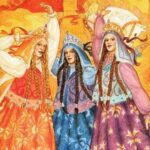 Zorya Vechernyaya
Furthermore, the Alkonost symbolizes the connection between the earthly and the divine. As a creature that exists in both realms, she embodies the idea that humans are part of a larger cosmic order. Her song serves as a bridge between these two worlds, reminding us that there is beauty in both the physical and spiritual aspects of life. This connection is essential in Slavic mythology, where many beings are seen as mediators between humans and the gods.
The Alkonost in Art and Literature
The Alkonost has inspired countless artists and writers throughout history. Her enchanting image and captivating song have made her a popular subject in various forms of art. In paintings, she is often depicted in lush landscapes, surrounded by vibrant colors that reflect her beauty. Artists capture her dual nature, showcasing her bird-like features alongside her human visage. These representations serve to evoke the mystical qualities associated with the Alkonost and her connection to the natural world.
In literature, the Alkonost appears in various folktales and poems, where her character embodies themes of love, loss, and the complexities of human emotions. Writers often use her song as a metaphor for the fleeting nature of happiness, exploring how moments of joy can be both profound and temporary. The Alkonost’s presence in these works highlights the enduring appeal of Slavic mythology and its ability to resonate with universal human experiences.
Modern Interpretations of the Alkonost
In contemporary culture, the Alkonost continues to be a source of inspiration for artists, writers, and musicians. Her image is often reimagined in various forms of media, from fantasy novels to video games. Many modern interpretations emphasize her role as a powerful female figure, celebrating her strength and beauty. This shift reflects a broader trend in contemporary storytelling, where mythical beings are often reinterpreted to challenge traditional gender roles and expectations.
Additionally, the themes associated with the Alkonost, such as the balance between joy and sorrow, remain relevant in today’s society. Many people find solace in her story, as it resonates with their own experiences of navigating life’s ups and downs. The Alkonost serves as a reminder that happiness is often intertwined with sadness, and that embracing both aspects is essential for personal growth and understanding.
Legends and Tales of the Alkonost
Throughout history, numerous legends and tales have been told about the Alkonost. Each story adds depth to her character and highlights different aspects of her mythology. In one popular tale, the Alkonost is said to have been tasked with guarding the waters of the ocean. When sailors would venture too far from shore, her song would guide them back to safety, ensuring their return home. This tale underscores her role as a protector and a source of hope for those in peril.
Another legend tells of a young hero who encounters the Alkonost during his journey. Captivated by her beauty and song, he forgets his quest and becomes entranced by her presence. As he listens to her melody, he realizes that he must return to his mission, but the memory of the Alkonost stays with him forever. This story illustrates the powerful impact of her song, as well as the idea that moments of beauty can change the course of one’s life.
The Alkonost in Folklore and Tradition
The Alkonost holds a significant place in Slavic folklore and tradition. Her image is often associated with various cultural practices and rituals. In some regions, people would sing songs inspired by the Alkonost during celebrations and festivals, invoking her spirit to bring joy and prosperity. These traditions highlight the enduring connection between mythology and daily life, as people seek to draw inspiration from the stories of their ancestors.
Moreover, the Alkonost is sometimes invoked in rituals related to love and relationships. Her song is believed to have the power to unite lovers and bring harmony to their lives. In this context, the Alkonost serves as a symbol of romantic love and the beauty of connection between individuals. This aspect of her mythology emphasizes the importance of love and companionship in the human experience.
The Alkonost is a captivating figure in Slavic mythology, embodying themes of beauty, balance, and the complexities of human emotions. Her enchanting song has the power to inspire and transform, reminding us of the delicate interplay between joy and sorrow. Through various legends, art, and modern interpretations, the Alkonost continues to resonate with people today, serving as a timeless symbol of the human experience.