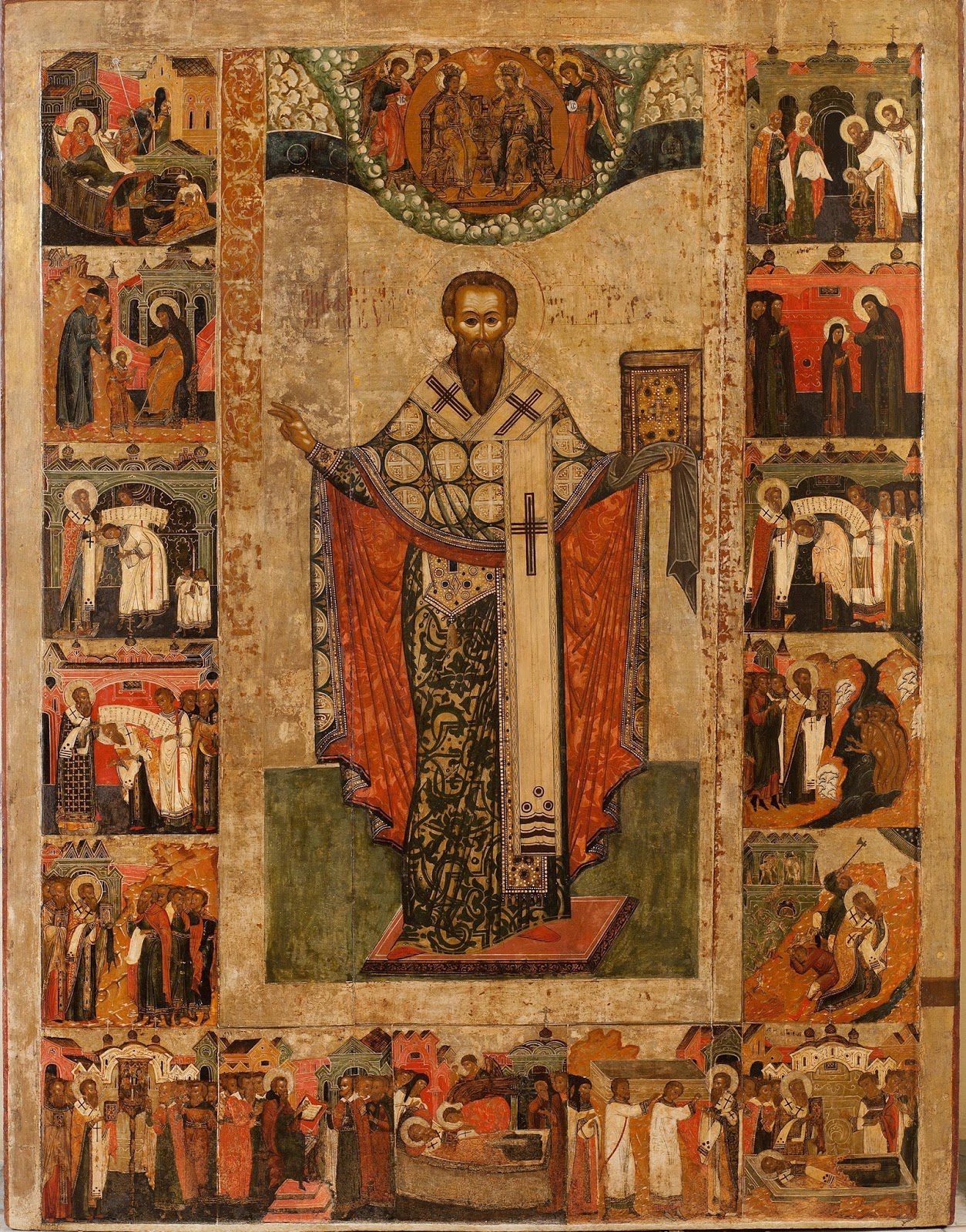
St. Stephen of Perm, a significant figure in Christian mythology, is celebrated for his remarkable contributions to the spread of Christianity in the region of Perm, which is located in present-day Russia. His life and works are often viewed through the lens of cultural and religious transformation, particularly among the Komi people. St. Stephen is known for his dedication to the Christian faith and his efforts to develop a written language for the Komi, which played a crucial role in the evangelization of the region. This article explores the life, works, and legacy of St. Stephen of Perm, highlighting his importance in the history of Christianity in Eastern Europe.
Early Life and Background
St. Stephen of Perm was born in the early 14th century, around the year 1340, in the region that would later be known as Perm. His early life is shrouded in mystery, but it is believed that he was of noble descent. Growing up in a time of significant social and political change, Stephen was influenced by both the Christian traditions of the Orthodox Church and the indigenous beliefs of the Komi people. His education likely included theological training, which prepared him for his future role as a missionary. The blend of these influences would shape his approach to spreading Christianity among the Komi.
 St. Enddwyn
During his youth, Stephen felt a strong calling towards the Christian faith. This calling was not only a personal journey but also a mission to bring the teachings of Christ to those who had not yet heard them. As he matured, he developed a deep understanding of the complexities of the Komi culture, which would later inform his missionary efforts. His ability to navigate both his own cultural background and that of the Komi people would prove essential in his quest to spread Christianity in a way that was respectful and effective.
Missionary Work
St. Stephen of Perm’s missionary work began in earnest when he was appointed by the Grand Prince of Moscow to evangelize the Komi people. This task was not easy, as the Komi had their own rich traditions and beliefs that were deeply rooted in their culture. However, St. Stephen approached his mission with compassion and respect, understanding that conversion required more than just preaching; it required a genuine connection with the people. His efforts were characterized by a commitment to learning the Komi language and customs, which allowed him to communicate effectively with the community.
One of the most notable aspects of St. Stephen’s missionary work was his emphasis on education. He recognized that in order for the Komi people to fully embrace Christianity, they needed access to religious texts in their own language. To address this, he undertook the monumental task of developing a written form of the Komi language. This involved creating an alphabet based on the Cyrillic script, which was already in use for the Russian language. His work in linguistics not only facilitated the spread of Christianity but also helped preserve the Komi language and culture.
 St. Enda
Establishing a Written Language
St. Stephen’s creation of a written language for the Komi people was a groundbreaking achievement. Before his efforts, the Komi had an oral tradition, which limited their ability to record and disseminate information. By introducing a written form, he opened the door for education and literacy among the Komi. This was not merely a means of communication; it was a way to empower the people and give them access to religious texts, prayers, and teachings in their own language.
- Developed an alphabet based on Cyrillic script.
- Wrote religious texts and prayers in Komi.
- Promoted literacy and education among the Komi people.
His efforts resulted in the translation of important Christian texts, including the Gospels and various liturgical materials. This made it possible for the Komi to engage with Christianity on a deeper level, as they could now read and understand the teachings in their native tongue. St. Stephen’s work laid the foundation for a lasting Christian presence in the region and contributed significantly to the cultural identity of the Komi people.
 St. Erasmus
Challenges and Opposition
Despite his dedication and accomplishments, St. Stephen of Perm faced numerous challenges and opposition during his missionary work. The Komi people were deeply rooted in their traditional beliefs, and many were resistant to the idea of converting to Christianity. St. Stephen encountered skepticism and hostility from some community members who viewed his teachings as a threat to their cultural identity. Additionally, the political landscape of the region was complex, with various tribal leaders exerting influence over their people.
To overcome these challenges, St. Stephen employed a strategy of patience and understanding. He engaged with the community through dialogue, demonstrating respect for their traditions while gently introducing Christian concepts. His approach was not to force conversion but to inspire curiosity and interest in the Christian faith. He often participated in community events, using these opportunities to share the message of Christ in a manner that resonated with the people.
Building Relationships
Building relationships was a crucial aspect of St. Stephen’s missionary strategy. He understood that trust and respect were essential for effective evangelization. By immersing himself in the daily lives of the Komi people, he was able to forge connections that transcended religious differences. He participated in their rituals and celebrations, showing that he valued their culture and way of life. This approach helped to break down barriers and foster a sense of community between the Christian faith and the Komi traditions.
- Engaged in community events and rituals.
- Demonstrated respect for Komi traditions.
- Built trust and rapport with the people.
Through these relationships, St. Stephen was able to share the teachings of Christianity in a way that felt relevant and accessible to the Komi. His efforts gradually led to a shift in attitudes, as more people began to embrace the Christian faith without feeling that they had to abandon their cultural identity. This blending of traditions is a hallmark of St. Stephen’s legacy and illustrates the importance of cultural sensitivity in missionary work.
Legacy and Impact
The legacy of St. Stephen of Perm is profound and far-reaching. His contributions to the spread of Christianity in the Perm region established a strong foundation for the faith that continues to resonate with the Komi people today. The written language he developed not only facilitated the spread of Christian teachings but also played a crucial role in preserving the Komi culture. As a result, St. Stephen is often regarded as a cultural hero among the Komi, symbolizing the intersection of faith and identity.
St. Stephen’s impact can be seen in various aspects of contemporary Komi society. The written language he created has allowed for the continuation of Komi literature and education, ensuring that the cultural heritage is passed down through generations. Furthermore, his efforts in evangelization fostered a sense of community among the Komi people, uniting them under a shared faith while respecting their traditions. This balance of Christianity and indigenous culture is a testament to his visionary approach to missionary work.
Commemoration and Recognition
St. Stephen of Perm is commemorated in various ways within the Orthodox Church and among the Komi people. His feast day is celebrated on September 26th, marking the anniversary of his death. On this day, believers gather to honor his memory and reflect on his contributions to the faith. Churches and communities often hold special services and events to celebrate his life, emphasizing the importance of his work in the region.
- Feast day celebrated on September 26th.
- Special services and events in his honor.
- Recognized as a cultural hero among the Komi.
In addition to religious observances, St. Stephen’s legacy is also preserved through cultural initiatives aimed at promoting the Komi language and traditions. Various organizations and educational institutions work to ensure that his contributions are recognized and that the Komi culture continues to thrive in the modern world. This ongoing commitment to preserving both faith and heritage is a direct reflection of the impact that St. Stephen of Perm had on the region.
St. Stephen’s Writings and Translations
One of the most significant aspects of St. Stephen of Perm’s legacy is his body of written work, which includes translations of important Christian texts into the Komi language. These writings served as essential resources for the Komi people, providing them with access to the teachings of Christianity in a format they could understand. His translations included the Bible, liturgical texts, and various prayers, all of which played a crucial role in the spiritual life of the community.
The translations were not only linguistic achievements but also cultural milestones. By providing the Komi people with religious texts in their own language, St. Stephen empowered them to engage with their faith on a personal level. This accessibility allowed for deeper spiritual exploration and a more profound connection to the Christian teachings. His writings continue to be cherished by the Komi people and serve as a reminder of the importance of language in the practice of faith.
Preservation of Komi Culture
St. Stephen’s commitment to preserving the Komi culture is evident in his writings and translations. He understood that language is a vital component of cultural identity, and by creating a written form for the Komi language, he ensured that their traditions and stories could be documented and shared. This preservation was not only about maintaining a language; it was about safeguarding the cultural heritage of the Komi people for future generations.
- Translated key Christian texts into Komi.
- Documented Komi traditions and stories.
- Empowered the Komi people through language.
Today, St. Stephen’s legacy lives on through ongoing efforts to promote the Komi language and culture. Educational programs, cultural festivals, and community initiatives celebrate the rich heritage of the Komi people, ensuring that St. Stephen’s vision of a vibrant, culturally rich community continues to thrive. His influence is felt not only in religious contexts but also in the broader cultural landscape of the region.
Conclusion: The Enduring Influence of St. Stephen of Perm
The life and work of St. Stephen of Perm exemplify the profound impact that a dedicated individual can have on a community. Through his missionary efforts, linguistic contributions, and cultural preservation, he transformed the spiritual landscape of the Perm region and left an indelible mark on the Komi people. His legacy serves as a reminder of the importance of cultural sensitivity in the practice of faith and the power of language to bridge divides.
St. Stephen’s story continues to inspire those who seek to understand the complexities of cultural and religious interaction. His ability to honor the traditions of the Komi people while introducing them to Christianity is a testament to his wisdom and compassion. As we reflect on his contributions, we are reminded of the ongoing journey of faith, culture, and identity that shapes our world today.