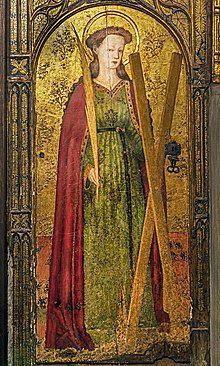
St. Eulalia of Barcelona is a prominent figure in Christian mythology, revered as one of the most important saints in Catalonia, Spain. Her story is one of courage, faith, and resilience in the face of persecution. According to tradition, she was a young girl who lived during the time of Roman rule. The tales of her life and martyrdom have inspired countless individuals over the centuries, making her a symbol of Christian devotion and bravery. Eulalia’s legacy is celebrated through various festivals, churches, and artistic representations throughout Barcelona and beyond.
Life of St. Eulalia
The life of St. Eulalia is shrouded in a mix of history and legend. Born in Barcelona around the 3rd century, she was said to have been a beautiful and devout young girl. According to hagiographical accounts, Eulalia’s strong Christian faith was evident from an early age. She refused to renounce her beliefs even when faced with the threat of persecution by the Roman authorities. This unwavering commitment to her faith would ultimately lead to her martyrdom.
 St. Eugene I
St. Eulalia’s story is particularly significant because it reflects the struggles faced by early Christians in a time when their beliefs were often met with hostility. As a young girl, she was known for her piety and deep connection to God. Her family, like many others at the time, was part of the growing Christian community that faced severe oppression. Eulalia’s determination to uphold her faith in such a challenging environment is what makes her a compelling figure in Christian mythology.
The Martyrdom of St. Eulalia
The martyrdom of St. Eulalia is one of the most poignant aspects of her story. According to legend, when Eulalia was only thirteen years old, she publicly declared her Christian faith, which led to her arrest by the Roman governor, Diocletian. The governor was notorious for his brutal treatment of Christians, and Eulalia’s boldness angered him. He attempted to convince her to renounce her faith by offering her wealth and power, but she steadfastly refused, insisting on her devotion to Christ.
Her refusal to abandon her beliefs led to horrific punishments. The stories describe a series of tortures inflicted upon her, including being subjected to various forms of humiliation and physical pain. Despite the torment, Eulalia remained resolute, demonstrating immense courage. Her martyrdom has been depicted in many forms of art, emphasizing her strength and faith in the face of suffering.
 St. Eric Of Sweden
Symbolism and Patronage
St. Eulalia is often associated with several symbols that reflect her life and martyrdom. One of the most prominent symbols is the palm branch, which represents victory and triumph over suffering. Additionally, the number thirteen is frequently mentioned in her story, symbolizing her young age at the time of her death. This number has also been adopted in various cultural expressions related to her, such as the thirteen white geese that are often depicted in art and folklore.
St. Eulalia is recognized as the patron saint of Barcelona and is also regarded as the patron saint of young girls. Her story serves as an inspiration for many, especially for those facing challenges in their faith or personal lives. Celebrations in her honor often include religious processions and festivals, where her story is retold, and her virtues are celebrated.
Cultural Impact
The impact of St. Eulalia extends far beyond her historical narrative. Her story has influenced various aspects of Catalan culture, including art, literature, and religious practices. Numerous churches and chapels are dedicated to her, with the most famous being the Catedral de Barcelona, where her relics are said to be housed. This cathedral attracts thousands of visitors each year, drawn not only by its architectural beauty but also by the rich history associated with St. Eulalia.
 St. Ephrem
In literature, St. Eulalia’s life has inspired many writers and poets who have sought to capture her essence and the lessons derived from her story. She is often portrayed as a symbol of hope and resilience, particularly for women in society. Her narrative resonates with themes of faith, courage, and the struggle against oppression, making her a timeless figure in the realm of Christian mythology.
Feast Day Celebrations
The feast day of St. Eulalia is celebrated on February 12th each year. This day is marked by various festivities throughout Barcelona and other parts of Catalonia. During these celebrations, locals participate in religious services, processions, and cultural events that honor her memory. The festivities often include the reenactment of her martyrdom, highlighting her bravery and the significance of her faith.
- Religious processions through the streets of Barcelona.
- Special masses held in her honor at local churches.
- Cultural performances that narrate her story.
- Exhibitions of art depicting St. Eulalia’s life.
These events serve not only as a means of honoring St. Eulalia but also as an opportunity for the community to come together and reflect on the values she represents. Many families participate in these celebrations, passing down the story of St. Eulalia to younger generations, ensuring that her legacy continues to inspire.
St. Eulalia in Art
St. Eulalia has been a popular subject in various forms of art, particularly in Christian iconography. Artists have depicted her in paintings, sculptures, and stained glass, often illustrating key moments from her life and martyrdom. These artworks serve as both a celebration of her faith and a reminder of the trials she faced. Notable works include paintings by renowned artists during the Renaissance and Baroque periods, where her image is often portrayed with her symbols, such as the palm branch and the white geese.
In addition to traditional art forms, St. Eulalia’s story has also influenced modern artistic expressions. Contemporary artists continue to explore her narrative, using various mediums to convey her message of strength and perseverance. This ongoing interest in her life reflects the enduring relevance of her story in today’s society, where themes of faith and resilience are still paramount.
St. Eulalia and Modern Society
The story of St. Eulalia remains relevant in modern society, particularly in discussions surrounding faith, courage, and the role of women in religion. Her life serves as an example for those facing adversity, demonstrating that strength can be found in unwavering belief. In a world where many still face persecution for their beliefs, St. Eulalia’s story resonates deeply, encouraging individuals to stand firm in their convictions.
Furthermore, her legacy continues to inspire movements for social justice and human rights. Many organizations and communities draw on her example to advocate for the marginalized and oppressed. St. Eulalia’s commitment to her faith and her refusal to conform to societal pressures are qualities that many strive to embody in their own lives today.
St. Eulalia of Barcelona is more than just a historical figure; she is a symbol of hope, resilience, and unwavering faith. Her story, rich in cultural and religious significance, continues to inspire people across generations. From her martyrdom to the celebrations held in her honor, St. Eulalia’s legacy endures, reminding us of the power of faith and the importance of standing up for one’s beliefs. As we reflect on her life, we are encouraged to carry forward the values she embodied and to honor her memory in our own lives.