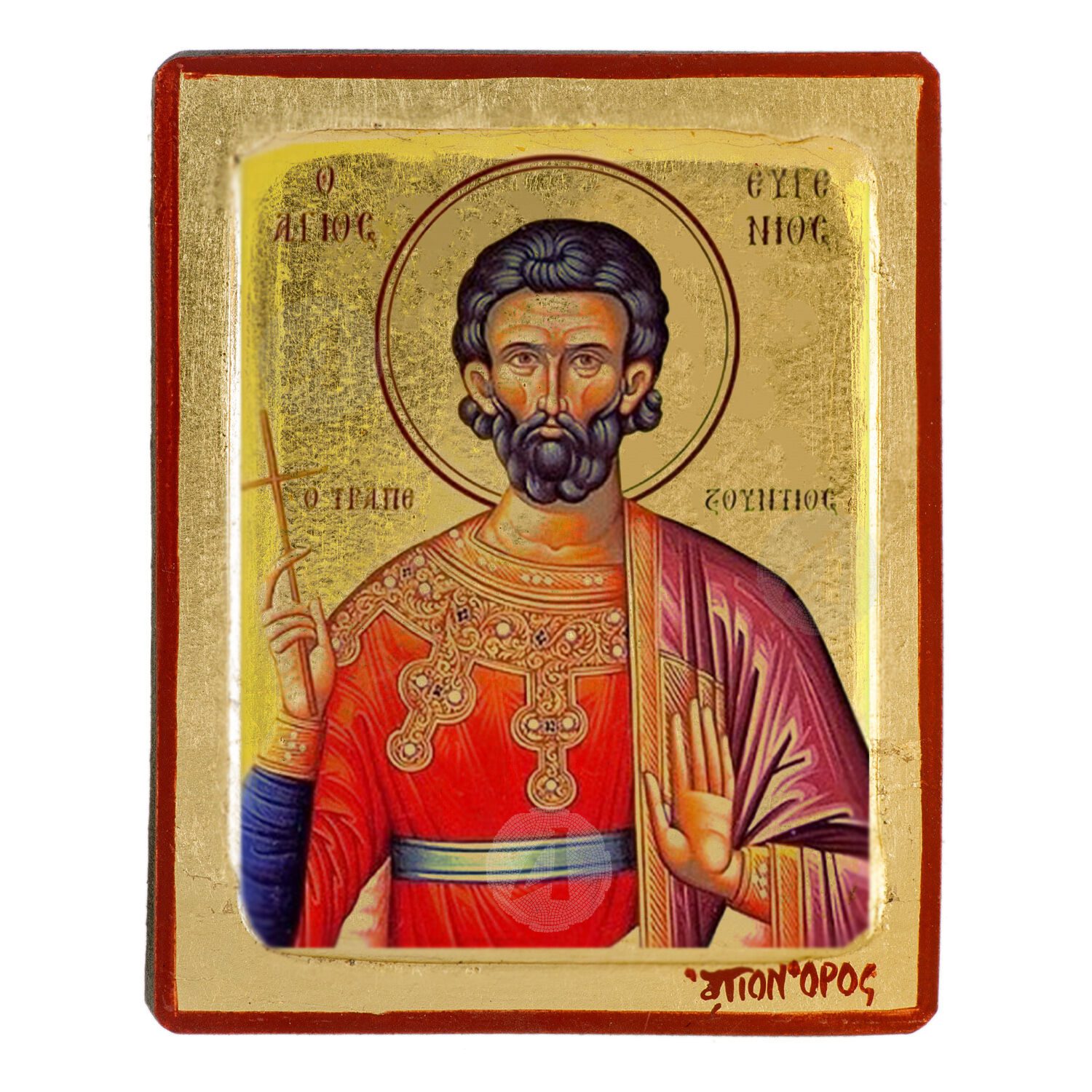
St. Eugene I was a significant figure in early Christian history, serving as the Pope from 654 to 657 AD. His papacy occurred during a time of great turmoil and transition within the Christian community, especially concerning the relationship between the Roman Church and the Eastern Churches. Eugene I is remembered not only for his leadership but also for his dedication to the Christian faith and the challenges he faced during his brief tenure. The following sections will explore his life, contributions, and the context in which he served, providing a comprehensive overview of his impact on Christian mythology.
Early Life of St. Eugene I
St. Eugene I was born in Rome, though the exact date of his birth remains uncertain. He belonged to a noble family, which allowed him access to a good education and the social connections necessary for a future in the Church. As a young man, Eugene was drawn to the teachings of Christianity, which were becoming increasingly prominent in Roman society. His early life was marked by a strong sense of devotion and a commitment to the Christian community. This foundation would later serve him well as he ascended through the ranks of the Church.
 St. Eric Of Sweden
Before becoming Pope, Eugene I held various positions within the Church. His experiences in these roles provided him with valuable insights into the workings of the Church and the challenges it faced. He was known for his wisdom and ability to mediate disputes among the clergy. His dedication to serving the Christian community earned him respect and admiration from both his peers and the laity. This reputation ultimately paved the way for his election as Pope, as many believed he was the right person to lead the Church during a difficult period.
Papal Election and Leadership
Eugene I was elected Pope during a time when the Church was grappling with various theological and political issues. His election was met with hope from many who believed that he would restore unity within the Church. However, his papacy was relatively short, lasting only three years. During this time, he focused on strengthening the Church’s position in the face of external pressures and internal divisions. Eugene I’s leadership style was characterized by a commitment to dialogue and reconciliation, which was essential in addressing the disputes that arose during his tenure.
One of the key challenges faced by Eugene I was the ongoing tension between the Roman Church and the Eastern Churches. The theological differences between these factions were significant, and Eugene understood the importance of fostering communication between them. He sought to address these differences through letters and discussions, advocating for a peaceful resolution. His efforts to promote unity were commendable, but they were met with mixed results, as the divisions within the Church ran deep.
 St. Ephrem
Theological Contributions
St. Eugene I made several important theological contributions during his papacy. His teachings emphasized the importance of the sacraments and the role of the Church in administering them. He believed that the sacraments were essential for spiritual growth and salvation, and he worked to ensure that they were properly administered throughout the Christian community. This focus on the sacraments helped to reinforce the Church’s authority and its role as a mediator between God and humanity.
Additionally, Eugene I was known for his emphasis on the importance of apostolic succession. He believed that the teachings of Christ were passed down through the apostles and their successors, and that this chain of authority was vital for maintaining the integrity of the faith. By promoting the idea of apostolic succession, Eugene sought to strengthen the Church’s position against heretical movements that threatened to undermine its teachings. His theological insights continue to resonate within the Church today.
Challenges During His Papacy
Despite his dedication and efforts to promote unity, St. Eugene I faced numerous challenges during his papacy. One of the most significant issues was the ongoing conflict with the Eastern Churches, particularly regarding the use of certain theological terms and the nature of Christ. These disputes often led to heated debates and divisions among Christians, making it difficult for Eugene to achieve his goal of reconciliation. The tensions between the Eastern and Western Churches would continue to affect the Christian community long after Eugene’s papacy.
 St. Ermenilda Of Ely
Another challenge was the political climate of the time. The Roman Empire was undergoing significant changes, and the influence of the Church was often intertwined with political power struggles. Eugene I had to navigate these complexities while maintaining the integrity of the Church. His attempts to distance the Church from political entanglements were often met with resistance, as many leaders sought to use the Church for their own agendas. This struggle for autonomy was a constant source of tension during his leadership.
Legacy of St. Eugene I
The legacy of St. Eugene I is multifaceted, reflecting both his achievements and the challenges he faced. He is often remembered as a Pope who sought to promote unity and reconciliation within the Christian community. His efforts to address theological disputes and his commitment to the sacraments left a lasting impact on the Church. Although his papacy was short-lived, his contributions to Christian thought and practice continue to be recognized and appreciated by many.
Moreover, Eugene I’s emphasis on apostolic succession has become a foundational principle within the Catholic Church. This belief in the continuity of the Church’s teachings and authority has shaped the way the Church operates and understands its role in the world. His commitment to maintaining the integrity of the faith in the face of external pressures has inspired countless leaders and believers throughout history.
St. Eugene I in Christian Mythology
In the context of Christian mythology, St. Eugene I holds a unique place as a figure who navigated the complexities of early Christianity. His life and papacy are often depicted in the broader narrative of the Church’s development and the struggles it faced during its formative years. Eugene’s story serves as a reminder of the challenges that early Christians encountered as they sought to establish their beliefs and practices in a world that was often hostile to their faith.
Furthermore, the stories surrounding St. Eugene I often highlight his virtues, such as humility, perseverance, and dedication to God. These qualities have made him a revered figure among many Christians, who view him as an example of what it means to lead with faith and integrity. His life is often celebrated in various liturgical contexts, where his contributions to the Church are honored and remembered.
St. Eugene I’s life and papacy are a testament to the challenges and triumphs of early Christianity. His dedication to promoting unity and his theological contributions continue to resonate within the Church today. As a figure in Christian mythology, he embodies the struggle for faith and the importance of leadership in times of turmoil. The legacy of St. Eugene I serves as an enduring reminder of the complexities of the Christian journey and the importance of faith in overcoming adversity.