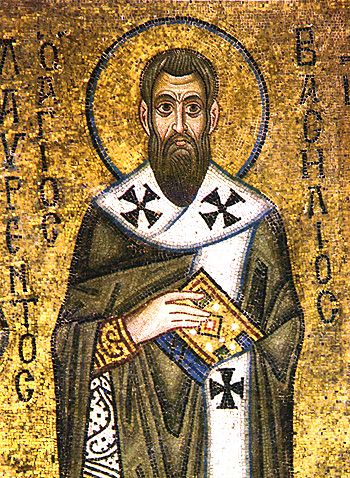
St. Basil the Great is a prominent figure in Christian mythology and history. He was born in the year 329 AD in Caesarea, which is located in modern-day Turkey. St. Basil is best known for his role as a bishop, theologian, and one of the early Christian leaders who greatly influenced the development of monasticism. His teachings and writings have left a lasting impact on the Christian faith, particularly within the Eastern Orthodox Church. This article delves into the life, contributions, and legacy of St. Basil the Great, exploring various aspects of his work and how it continues to resonate with Christians today.
Early Life and Education
St. Basil was born into a well-off Christian family. His father, Basil the Elder, was a renowned Christian teacher and his mother, Emmelia, was also a devoted Christian. This nurturing environment played a significant role in shaping his faith and values. From a young age, Basil showed great promise in his studies. He traveled to various cities for his education, including Constantinople and Athens. In Athens, he met other notable figures, including St. Gregory of Nazianzus, who would become a lifelong friend and collaborator in the Christian faith.
 St. Basil Of Ancyra
During his education, Basil was exposed to various philosophical ideas and theological concepts. He studied under some of the most respected teachers of his time, which helped him to develop a deep understanding of both secular and religious subjects. His exposure to Greek philosophy, particularly the works of Plato and Aristotle, influenced his theological writings later in life. This blend of education prepared him for a future where he would engage with both the intellectual and spiritual challenges of his time.
Becoming a Bishop
After completing his education, St. Basil returned to Caesarea, where he initially lived a monastic life. He believed in the importance of solitude and prayer, which were essential for spiritual growth. However, his talents and leadership qualities soon led him to take on more significant responsibilities. In 370 AD, he was appointed as the Bishop of Caesarea, a role that came with both challenges and opportunities. As a bishop, Basil faced the difficult task of guiding his flock amidst various theological disputes, particularly those concerning the nature of Christ and the Holy Spirit.
St. Basil’s approach to leadership was characterized by compassion and a deep commitment to his community. He believed that a bishop should be a shepherd to his people, offering guidance and support in their spiritual journeys. His pastoral care extended beyond spiritual matters; he was also concerned about the social and economic conditions of his community. Basil established numerous charitable initiatives, including the creation of hospitals and orphanages, which addressed the needs of the poor and marginalized. His holistic approach to ministry made him a beloved figure among his congregation.
 St. Bartholomew
Theological Contributions
St. Basil is renowned for his theological writings, which have had a profound impact on Christian doctrine. One of his most significant works is the “On the Holy Spirit,” in which he defends the divinity of the Holy Spirit. In this treatise, he articulates the relationship between the Father, the Son, and the Holy Spirit, emphasizing that all three are co-equal and co-eternal. This work played a crucial role in the development of the doctrine of the Trinity, which remains a foundational belief in Christianity today.
In addition to his writings on the Holy Spirit, St. Basil also addressed various other theological issues of his time. He was a staunch opponent of Arianism, a heretical belief that denied the full divinity of Christ. Basil’s efforts to combat this heresy were instrumental in the formulation of the Nicene Creed, which affirms the belief in the Trinity. His theological insights continue to be studied and revered in both Eastern and Western Christian traditions, underscoring his importance as a theologian.
Monasticism and Community Life
St. Basil is often credited with shaping the monastic movement in the early Christian Church. He believed that monasticism should not only focus on individual piety but also emphasize community living and mutual support. In his “Longer Rules” and “Shorter Rules,” he provided guidelines for monastic life that emphasized the importance of community, prayer, and service. These rules laid the foundation for what would become the monastic tradition in the Eastern Orthodox Church.
 St. Bartholomea Capitanjo
One of the key aspects of Basil’s monastic vision was the idea of living in harmony with others. He encouraged monks to practice humility, obedience, and charity, fostering an environment where members could grow spiritually together. His approach to monastic life was not only about renouncing worldly pleasures but also about serving the community. This emphasis on communal living has influenced countless monastic communities throughout history and continues to be a guiding principle for many today.
Social and Charitable Work
St. Basil was deeply concerned about social justice and the welfare of the poor. He recognized that spiritual faith must be accompanied by action, particularly in addressing the needs of the less fortunate. He established several charitable institutions, including hospitals and homes for the elderly and orphans. His commitment to social service was revolutionary for his time and set a precedent for the Church’s involvement in social issues.
Through his charitable initiatives, Basil not only provided for the physical needs of the poor but also sought to uplift their spirits. He believed that every act of charity should reflect the love of Christ and that helping others was an essential expression of faith. This holistic approach to charity has inspired many Christians to engage in social justice and outreach efforts throughout history, making St. Basil a lasting symbol of compassion and service.
Legacy and Influence
The legacy of St. Basil the Great is profound and far-reaching. He is recognized as one of the Cappadocian Fathers, alongside St. Gregory of Nazianzus and St. Gregory of Nyssa. Together, they played a pivotal role in shaping early Christian theology and addressing critical issues of their time. St. Basil’s writings continue to be studied in seminaries and theological schools around the world, reflecting his enduring influence on Christian thought.
In addition to his theological contributions, St. Basil’s approach to monasticism has left a lasting mark on the Christian tradition. The rules he established for monastic life continue to be followed by many monastic communities, particularly within the Eastern Orthodox Church. His emphasis on community living, prayer, and service remains a guiding principle for those who seek to live a life dedicated to God.
Feast Day and Veneration
St. Basil the Great is venerated as a saint in both the Eastern Orthodox Church and the Roman Catholic Church. His feast day is celebrated on January 1st in the Eastern Orthodox tradition and on January 2nd in the Western tradition. During these celebrations, Christians reflect on his life, teachings, and contributions to the faith. The observance of his feast day often includes special liturgies, prayers, and the sharing of traditional foods.
In many cultures, St. Basil is also associated with various customs and traditions. For example, in some Eastern European countries, it is customary to prepare a special cake known as “Vasilopita” on his feast day. This cake is often cut in honor of St. Basil, and a coin is hidden inside. The person who finds the coin is believed to receive blessings for the year ahead. Such traditions highlight the continued relevance of St. Basil’s life and teachings in contemporary Christian practice.
St. Basil’s Writings
St. Basil’s writings encompass a wide range of topics, including theology, ethics, and pastoral care. His letters, homilies, and treatises reflect his deep commitment to the Christian faith and his desire to guide others in their spiritual journeys. One of his most significant works is the “Ascetical Works,” which provides insights into the spiritual life and the importance of ascetic practices. These writings offer practical advice for those seeking to grow in their faith and deepen their relationship with God.
Another important aspect of St. Basil’s writings is his emphasis on prayer. He believed that prayer is essential for spiritual growth and communion with God. His prayers and liturgical texts have been incorporated into the worship practices of the Eastern Orthodox Church, and they continue to be used by Christians seeking to enhance their prayer life. Through his writings, St. Basil has left a rich spiritual legacy that continues to inspire and guide believers today.
St. Basil in Art and Culture
The figure of St. Basil the Great has been depicted in various forms of art throughout history. Iconography often portrays him with a bishop’s attire, holding a scroll or a book, symbolizing his role as a teacher and theologian. Many churches dedicated to St. Basil feature beautiful frescoes and icons that celebrate his life and contributions to the Christian faith. These artistic representations serve as a reminder of his enduring legacy and the importance of his teachings.
In literature and popular culture, St. Basil’s life and teachings have also been referenced and celebrated. His commitment to social justice and charity resonates with contemporary themes of compassion and service, making him a relevant figure for modern audiences. Various books, films, and documentaries have explored his life, furthering awareness of his contributions to Christianity and society.
St. Basil the Great’s life and work continue to inspire Christians around the world. His contributions to theology, monasticism, and social justice reflect a deep commitment to living out the Christian faith in practical ways. As we reflect on his legacy, we are reminded of the importance of compassion, community, and spiritual growth in our own lives. St. Basil’s teachings encourage us to engage with our faith actively, fostering a spirit of love and service in our communities.