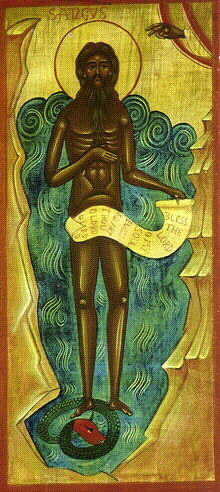
St. Aengus the Culdee is a fascinating figure in Christian mythology, particularly in the context of early Irish Christianity. He is often associated with the Culdees, a group of early Christian monks in Ireland who lived a monastic lifestyle focused on simplicity and devotion. St. Aengus is known for his dedication to God and his contributions to the spiritual landscape of Ireland. His life and work provide valuable insights into the early Christian church’s development in the region. The stories surrounding St. Aengus are rich in symbolism and reflect the values of the monastic community he was part of.
The Life of St. Aengus
St. Aengus was born in the 8th century in Ireland. While the exact details of his birth and early life remain somewhat unclear, it is believed that he was raised in a Christian household that instilled in him a deep sense of faith and spirituality. His early experiences likely shaped his future as a Culdee monk, where he would later dedicate his life to prayer and service. The term “Culdee” itself means “devotee of God,” highlighting the profound commitment that St. Aengus and his fellow monks had towards their faith.
 St. Adrian Of Canterbury
As a young man, St. Aengus felt a strong calling to the monastic life. He left his family and home to join a community of monks, where he could pursue a life dedicated to God. The monastic communities of Ireland were known for their strict adherence to prayer, work, and study. St. Aengus quickly became known for his piety and dedication, earning the respect of his peers and the community around him. His early years in the monastery laid the foundation for his later works and contributions to the church.
Contributions to Christian Literature
One of the most significant contributions of St. Aengus is his work in Christian literature. He is best known for his “Martyrology of Oengus,” a collection of saints’ lives and feast days. This work is an important historical document that provides insight into the early Christian church in Ireland. The Martyrology not only lists the saints but also includes stories and legends that highlight their virtues and sacrifices. St. Aengus’s ability to weave together these narratives reflects his deep understanding of the Christian faith and its values.
The Martyrology of Oengus is unique in its structure and style. It is written in a poetic form that makes it accessible and memorable. This approach allowed the stories of the saints to be passed down through generations, ensuring that their legacies would not be forgotten. St. Aengus’s work served as an educational tool for the early Irish Christians, helping them to understand their faith and the importance of the saints in their spiritual lives.
 St. Adelaide
Key Features of the Martyrology
- Poetic Structure: The use of verse makes the text engaging and easier to remember.
- Historical Accounts: It provides valuable information about the lives of early saints.
- Feast Days: The Martyrology includes specific dates for the celebration of each saint.
- Spiritual Lessons: Each story emphasizes moral and spiritual lessons for the community.
St. Aengus’s contributions to Christian literature extended beyond the Martyrology. He also wrote various hymns and prayers that reflected his deep devotion and theological insights. His works often emphasized themes of faith, hope, and charity, which were central to the teachings of the Christian faith. The hymns attributed to him continue to be celebrated in various liturgical settings, showcasing the enduring impact of his spiritual writings.
The Role of the Culdees
The Culdees were a unique monastic community in early Ireland, and St. Aengus played a crucial role in their development. This group of monks lived in a way that combined asceticism with a strong commitment to the community. They often resided in isolated areas, dedicating their lives to prayer and the study of scripture. The Culdees were known for their simplicity, and their lifestyle was marked by a profound sense of humility and service to others.
St. Aengus’s leadership within the Culdee community was characterized by his focus on spiritual growth and community service. He encouraged his fellow monks to engage with the local population, sharing their knowledge and faith with those around them. This outreach was essential in spreading Christianity throughout Ireland, as the Culdees became a vital part of the spiritual landscape of the region. St. Aengus’s commitment to both prayer and service exemplified the ideal of the Culdee monk.
 St. Adamnán
Values of the Culdee Monastic Life
- Community Service: Engaging with and supporting the local community.
- Spiritual Discipline: Emphasizing prayer, study, and ascetic practices.
- Humility: Living a life of simplicity and service to God.
- Education: Teaching and sharing the Christian faith with others.
The Culdees also played a significant role in the preservation of knowledge during a time when much of Europe was facing instability. They were often responsible for copying manuscripts and maintaining libraries, which helped to safeguard important theological texts and historical records. St. Aengus’s dedication to learning and scholarship was reflected in the Culdee community’s commitment to education and the arts. This emphasis on knowledge was crucial for the development of early Irish Christianity.
St. Aengus’s Legacy
St. Aengus’s legacy is still felt today, particularly in Ireland. His writings and the works of the Culdees have had a lasting impact on the spiritual and cultural life of the country. The Martyrology of Oengus remains an important text for understanding the history of the early church in Ireland and the lives of the saints. It serves as a reminder of the rich spiritual heritage that St. Aengus and his contemporaries contributed to the Christian faith.
Moreover, St. Aengus is often celebrated in various liturgical traditions, and his feast day is observed by many Christian denominations. This celebration is a testament to his enduring influence and the respect he garnered as a saint and a scholar. His life serves as an inspiration for many, encouraging individuals to pursue a life of faith, service, and dedication to God.
Modern Celebrations of St. Aengus
- Feast Day: Celebrated on March 11th in honor of his contributions.
- Church Services: Special services are held in his memory, often including readings from the Martyrology.
- Community Events: Many communities organize events to celebrate his legacy and teachings.
- Educational Programs: Churches and schools may offer programs that explore his life and works.
In addition to his literary contributions, St. Aengus is remembered for his role in shaping the Culdee monastic tradition. This tradition influenced the development of monasticism in Ireland and beyond. The values espoused by the Culdees, such as community service, humility, and a commitment to prayer, continue to resonate with contemporary Christian communities. St. Aengus’s life serves as a reminder of the importance of living out one’s faith through action and service.
St. Aengus in Art and Culture
The influence of St. Aengus extends beyond literature and religious practices; he has also been a significant figure in Irish art and culture. Many artists and craftsmen have drawn inspiration from his life and teachings, creating works that reflect his dedication to faith and service. From illuminated manuscripts to sculptures, the artistic representations of St. Aengus often depict him in prayer or engaged in acts of charity, highlighting the core values he championed.
In addition to visual arts, St. Aengus’s life has been celebrated in various forms of music and storytelling. Traditional Irish music often includes songs that recount the lives of saints, including St. Aengus. These songs serve to keep his memory alive and pass down his legacy through generations. The oral tradition of storytelling also plays a significant role in sharing the narratives of saints, making them accessible to a wider audience.
Artistic Representations of St. Aengus
- Illuminated Manuscripts: Depictions of St. Aengus in religious texts.
- Sculptures: Statues and carvings that honor his contributions.
- Traditional Music: Songs celebrating his life and teachings.
- Storytelling: Oral traditions that keep his memory alive.
Furthermore, St. Aengus’s influence can be seen in modern literature and popular culture. Authors and playwrights often reference his life and teachings, using his story as a source of inspiration. His dedication to a life of faith and service resonates with contemporary audiences, making him a relevant figure in today’s discussions about spirituality and community involvement. St. Aengus embodies the idea that a life dedicated to God can have a profound impact on the world.
Theological Significance of St. Aengus
The life and works of St. Aengus hold significant theological importance within the Christian tradition. His writings reflect a deep understanding of Christian doctrine and the importance of the saints in the faith. By documenting the lives of saints in the Martyrology of Oengus, he emphasized the idea that holiness can be found in everyday life. The stories he collected serve as examples for Christians, showing how to live a life of virtue and dedication to God.
St. Aengus’s emphasis on community and service is also a vital aspect of his theological significance. He understood that faith is not just a personal journey but also a communal one. The Culdee tradition, which he helped shape, focused on the importance of serving others and engaging with the local community. This perspective is crucial for understanding the Christian call to love and serve one another, as demonstrated in the teachings of Jesus.
Themes in St. Aengus’s Theology
- Holiness: The pursuit of a holy life through prayer and service.
- Community: The importance of living in fellowship with others.
- Education: The role of knowledge in deepening one’s faith.
- Charity: The call to serve and support those in need.
Additionally, St. Aengus’s writings and teachings reflect a strong commitment to the mystical aspects of faith. He often explored themes of divine love and the relationship between God and humanity. His poetry and hymns convey a deep sense of longing for God’s presence, which resonates with many believers today. This mystical approach encourages individuals to seek a more profound connection with the divine, fostering a rich spiritual life.
St. Aengus the Culdee is a remarkable figure in Christian mythology, whose life and works continue to inspire and educate. His contributions to literature, community service, and theological thought have left an indelible mark on the history of the Christian faith in Ireland. The values he espoused—faith, humility, service, and community—remain relevant today, encouraging individuals to live out their faith in meaningful ways. As we reflect on the legacy of St. Aengus, we are reminded of the power of dedication to God and the impact one life can have on many.