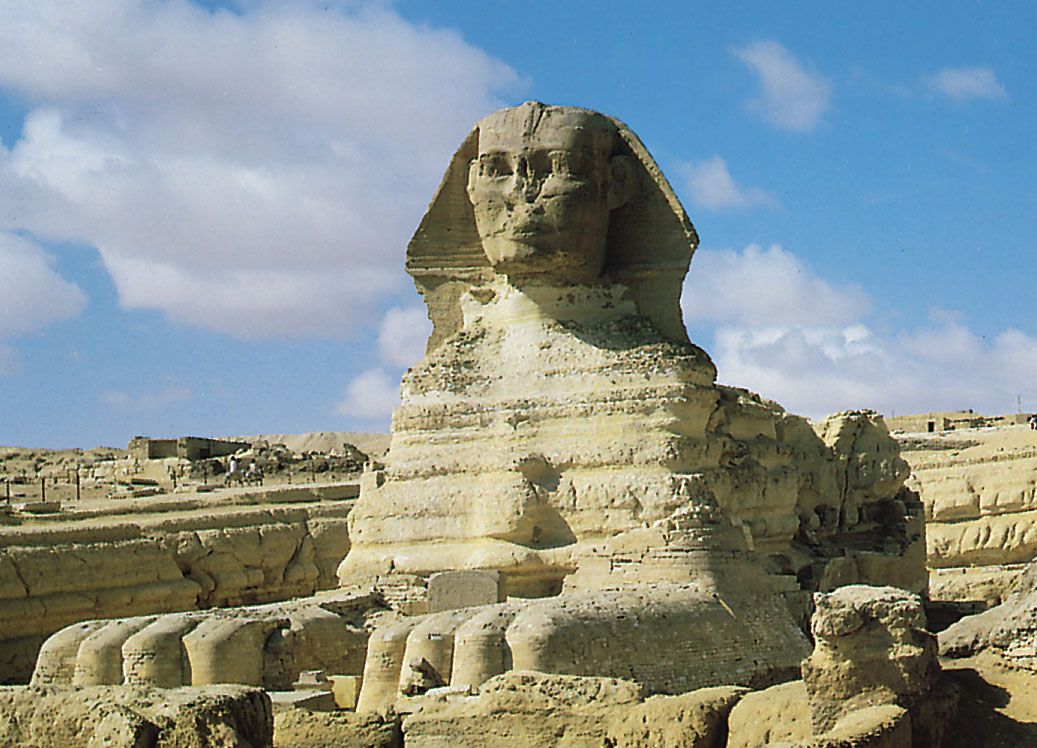
The Sphinx is one of the most iconic symbols of ancient Egyptian mythology. It is often depicted as a creature with the body of a lion and the head of a human, typically representing a pharaoh. The Sphinx is not just a single statue but a representation of a broader cultural significance that spans various aspects of ancient Egyptian life, including religion, art, and architecture. Its most famous incarnation is the Great Sphinx of Giza, which stands guard near the pyramids. This mythical creature has captivated the imagination of historians, archaeologists, and tourists for centuries, making it a central figure in discussions about ancient Egypt.
The Origins of the Sphinx
The origins of the Sphinx can be traced back to the Old Kingdom of Egypt, around 2500 BCE. It is believed that the Sphinx was created during the reign of Pharaoh Khafre, who was the builder of the second pyramid at Giza. The statue was carved from a single block of limestone, and its size is truly impressive. Standing at about 66 feet tall and 240 feet long, the Great Sphinx is one of the largest statues in the world. The choice of a lion’s body symbolizes strength and power, while the human head represents intelligence and wisdom, qualities that were highly valued in Egyptian society.
 Sopdet
According to Egyptian mythology, the Sphinx was a guardian of sacred places and was often associated with the sun god Ra. This connection emphasizes the importance of the Sphinx in religious practices and beliefs. The lion’s body was also symbolic of protection, as lions were seen as fierce protectors of their territory. The combination of human and animal features in the Sphinx reflects the ancient Egyptians’ understanding of the world around them, where they often saw the divine in nature.
The Great Sphinx of Giza
The Great Sphinx of Giza is the most famous representation of the Sphinx and is located on the Giza Plateau, near Cairo. It is part of a larger complex that includes the pyramids of Khufu, Khafre, and Menkaure. The Sphinx has been a subject of fascination for centuries, drawing visitors from all over the world. Its immense size and mysterious aura have led to numerous theories about its purpose and significance. Some scholars believe that the Sphinx was built as a form of tribute to the pharaoh Khafre, while others argue that it served as a guardian to the pyramids.
Over the years, the Great Sphinx has undergone significant erosion due to natural weathering and human activity. Restoration efforts have been undertaken to preserve this ancient monument, but many details of its original appearance have been lost. The Sphinx originally had a nose and a beard, but these features have been damaged over time. Various theories exist regarding the loss of the Sphinx’s nose, with some attributing it to cannon fire during the 18th century, while others believe it was deliberately removed by a local ruler.
 Shu
ShuThe Symbolism of the Sphinx
The Sphinx is rich in symbolism, representing various aspects of ancient Egyptian culture. Its lion body signifies strength and courage, while the human head symbolizes intelligence and wisdom. This duality reflects the Egyptian belief in the balance between physical prowess and mental acuity. The Sphinx was often seen as a protector, guarding tombs and temples from intruders and evil spirits. This protective role underscores the importance of safeguarding the afterlife, a central tenet of Egyptian religion.
Moreover, the Sphinx is associated with the concept of ma’at, which represents truth, balance, and cosmic order in ancient Egyptian thought. The Sphinx embodies the idea of maintaining harmony in the universe, acting as a mediator between the divine and human realms. Its presence at the Giza Plateau serves as a reminder of the pharaoh’s role as a divine ruler, responsible for upholding ma’at during their reign.
Legends and Myths Surrounding the Sphinx
Throughout history, various legends and myths have emerged surrounding the Sphinx. One of the most famous stories involves the riddle of the Sphinx, which is not originally Egyptian but rather Greek. In Greek mythology, the Sphinx is depicted as a creature that poses a riddle to travelers, devouring those who cannot answer it. The riddle goes: “What walks on four legs in the morning, two legs at noon, and three legs in the evening?” The answer, of course, is a human, who crawls as a baby, walks on two legs in adulthood, and uses a cane in old age.
 Shenty
This mythological interpretation highlights the Sphinx’s role as a guardian of knowledge and truth. In ancient Egypt, knowledge was highly valued, and the ability to answer questions correctly was seen as a sign of wisdom. While the Greek version of the Sphinx differs from the Egyptian one, both serve as powerful symbols of the quest for knowledge and the consequences of ignorance.
The Sphinx in Art and Architecture
The influence of the Sphinx extends beyond its physical form; it has inspired countless works of art and architecture throughout history. In ancient Egypt, the Sphinx was often depicted in paintings, sculptures, and reliefs. These representations typically emphasize the creature’s majestic features, highlighting its significance in religious and cultural contexts. Artists would often incorporate the Sphinx into tomb paintings, symbolizing protection for the deceased in the afterlife.
In addition to ancient art, the Sphinx has influenced modern architecture and design. Many buildings, monuments, and sculptures around the world have drawn inspiration from the Sphinx’s form and symbolism. For example, several hotels and casinos in Las Vegas feature Sphinx-like structures, showcasing the creature’s lasting impact on contemporary culture. The Sphinx continues to be a source of fascination for artists and architects, who are inspired by its grandeur and mystery.
The Sphinx in Modern Culture
In modern times, the Sphinx remains a prominent symbol in popular culture. It has appeared in various films, books, and television shows, often representing mystery and enigma. The image of the Sphinx evokes a sense of wonder and curiosity, prompting people to explore the mysteries of ancient civilizations. This cultural significance is evident in various media, where the Sphinx is often portrayed as a guardian of hidden knowledge or ancient secrets.
Moreover, the Sphinx has become a popular tourist attraction, drawing millions of visitors to Egypt each year. Tourists flock to the Giza Plateau to marvel at the Great Sphinx and the surrounding pyramids, seeking to connect with the rich history of ancient Egypt. The Sphinx serves as a tangible link to the past, allowing people to appreciate the achievements of one of the world’s oldest civilizations.
The Sphinx and Its Mysteries
Despite extensive research and exploration, many mysteries still surround the Sphinx. One of the most debated topics is the purpose of the Sphinx and its relationship to the pyramids. Some scholars argue that the Sphinx was built as a funerary monument, while others believe it served as a temple for sun worship. The lack of definitive evidence has led to ongoing debates among historians and archaeologists.
Another mystery involves the construction techniques used to create the Sphinx. Given its enormous size, many wonder how the ancient Egyptians managed to carve such a monumental statue from a single block of limestone. Various theories have been proposed, including the use of simple tools and a large workforce. However, the exact methods remain unclear, adding to the enigma of this ancient wonder.
Preservation Efforts for the Sphinx
Preserving the Great Sphinx is crucial for maintaining its historical and cultural significance. Over the years, environmental factors, such as wind and sand erosion, have taken a toll on the statue. To combat this, restoration efforts have been initiated to protect the Sphinx from further damage. These efforts involve careful cleaning, structural reinforcement, and monitoring of the surrounding environment.
In addition to physical restoration, there is a growing awareness of the need to protect the Sphinx from human-induced threats, such as pollution and tourism. Authorities have implemented measures to limit access to certain areas around the Sphinx to minimize wear and tear. Educational programs aim to raise awareness about the importance of preserving this ancient monument for future generations.
The Sphinx in Archaeological Research
The Sphinx has been a focal point for archaeological research for many years. Excavations and studies have provided valuable insights into the history and significance of this ancient monument. Archaeologists have uncovered artifacts and structures in the vicinity of the Sphinx, shedding light on the daily lives of the people who lived in ancient Egypt. These discoveries have helped researchers piece together the cultural and historical context of the Sphinx.
Moreover, advancements in technology have revolutionized archaeological research. Techniques such as ground-penetrating radar and 3D modeling have allowed scientists to explore the area around the Sphinx without disturbing the site. These innovative methods have the potential to uncover new information about the Sphinx and its surroundings, further enhancing our understanding of ancient Egyptian civilization.
The Global Impact of the Sphinx
The Sphinx’s influence extends far beyond Egypt, impacting cultures around the world. Its image has been adopted in various forms, symbolizing strength, wisdom, and mystery. Many nations have incorporated Sphinx-like sculptures into their architecture, reflecting a shared appreciation for this ancient symbol. The Sphinx serves as a reminder of the interconnectedness of human cultures and the universal quest for knowledge and understanding.
In addition, the Sphinx has inspired numerous literary works, films, and art pieces. Its enduring presence in popular culture demonstrates its ability to resonate with people across different time periods and cultures. The Sphinx continues to be a source of inspiration for artists and storytellers, reflecting the timeless appeal of ancient mythology and the mysteries of the past.
Future Perspectives on the Sphinx
As we look to the future, the Sphinx will likely continue to be a subject of fascination and study. Ongoing research and exploration may reveal new insights into its history, construction, and significance. The global interest in ancient Egypt ensures that the Sphinx will remain a prominent symbol of this rich cultural heritage.
Moreover, as preservation efforts continue, the Sphinx will stand as a testament to the achievements of ancient civilizations. Its enduring legacy will inspire future generations to explore the wonders of the past and appreciate the complexities of human history. The Sphinx will always be more than just a statue; it embodies the quest for knowledge, the balance of power and wisdom, and the mysteries that connect us all.