
In the rich tapestry of Micronesian mythology, Rigi stands out as a fascinating figure. Rigi is often associated with the creation and sustenance of life in the region. His stories, like many myths, are deeply rooted in the culture and traditions of the Micronesian people. These tales not only explain the origins of the world but also provide insights into the values and beliefs of the communities that tell them. The narratives surrounding Rigi serve to connect the people with their environment, ancestors, and the cosmos.
The Origins of Rigi
The origins of Rigi are steeped in mystery and reverence. According to various Micronesian legends, Rigi was born from the union of the earth and the sky. This duality symbolizes balance, an essential theme in Micronesian culture. The birth of Rigi is often depicted as a moment of great significance, marking the beginning of life as it is known in the islands. As the stories go, he emerged from a celestial realm, bringing with him the power to create and destroy.
 Rakim
RakimRigi is frequently described as a benevolent deity, embodying the principles of growth and prosperity. He is believed to have shaped the islands, creating mountains, valleys, and rivers. His touch is said to bless the land, allowing crops to flourish and the people to thrive. This connection between Rigi and the natural world highlights the importance of nature in Micronesian beliefs. The people view Rigi not just as a creator but as a guardian of their lands.
The Role of Rigi in Creation Myths
Creation myths in Micronesian culture often feature Rigi as a central character. These stories explain how the islands were formed and how life began. One common narrative describes Rigi crafting the first humans from the earth and breathing life into them. This act of creation is significant, as it emphasizes the close relationship between humans and the land. Rigi’s role in this process illustrates the belief that humans are an integral part of the natural world.
Additionally, Rigi is said to have created the flora and fauna that inhabit the islands. Each plant and animal has a purpose, contributing to the balance of the ecosystem. This belief is crucial for the Micronesian people, as they rely heavily on their environment for sustenance. Rigi’s creation of nature reinforces the idea that respecting and caring for the land is vital for survival.
 Palulop
Key Elements of Rigi’s Myths
- Balance: The duality of creation and destruction.
- Connection to Nature: Humans as part of the natural world.
- Life and Growth: Rigi’s influence on agriculture and sustenance.
These elements are interwoven into the stories of Rigi, showcasing the complexity of his character. The balance between creation and destruction serves as a reminder of the cyclical nature of life. The Micronesian people understand that while Rigi brings forth life, he also has the power to take it away, emphasizing the need for respect towards the environment.
Rigi as a Cultural Symbol
Beyond his role in creation myths, Rigi serves as a cultural symbol for the Micronesian people. He represents the ideals of community, harmony, and respect for nature. Festivals and rituals often honor Rigi, celebrating the abundance he provides. These events foster a sense of unity among the people, reinforcing their shared beliefs and traditions.
In many communities, Rigi is invoked during agricultural ceremonies. Farmers seek his blessings for a bountiful harvest, illustrating the dependence of the people on his generosity. The rituals often involve offerings and prayers, expressing gratitude for the gifts of the land. This practice underscores the importance of spirituality in daily life, as the people recognize that their well-being is linked to Rigi’s favor.
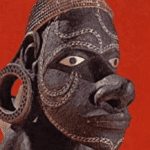 Olifat
Rituals and Offerings
- Harvest Festivals: Celebrating the abundance of crops.
- Prayers and Offerings: Seeking Rigi’s blessings.
- Cultural Gatherings: Strengthening community bonds.
These rituals not only honor Rigi but also strengthen the fabric of the community. They serve as a reminder of the interconnectedness of all living beings and the environment. Through these practices, the Micronesian people pass down their cultural heritage, ensuring that future generations understand the significance of Rigi in their lives.
The Influence of Rigi on Daily Life
Rigi’s influence extends beyond myths and rituals; it permeates the daily lives of the Micronesian people. His teachings about respect for nature and community are integral to their way of life. Many families instill these values in their children, emphasizing the importance of caring for the land and each other. This connection to Rigi fosters a sense of responsibility towards the environment, encouraging sustainable practices.
Additionally, Rigi’s stories are often shared during gatherings and storytelling sessions. Elders pass down the legends, ensuring that the younger generations remain connected to their cultural roots. These stories serve as a source of wisdom and guidance, helping individuals navigate life’s challenges. The teachings of Rigi inspire people to live in harmony with nature and their communities.
Everyday Practices Inspired by Rigi
- Sustainable Farming: Practices that honor the land.
- Community Support: Helping one another in times of need.
- Environmental Stewardship: Protecting natural resources.
These everyday practices reflect the teachings of Rigi, emphasizing the importance of living in balance with the world. By incorporating these values into their daily lives, the Micronesian people honor their mythology while ensuring the sustainability of their communities and environment.
Rigi in Modern Context
In contemporary Micronesian society, the figure of Rigi continues to hold significance. While modernization has introduced new challenges and changes, the core values associated with Rigi remain relevant. Many people find solace in the stories and teachings of Rigi, using them as a guide in a rapidly changing world. This connection to their heritage provides a sense of identity and belonging.
Moreover, Rigi’s influence can be seen in various forms of art and literature. Artists and writers often draw inspiration from his stories, creating works that reflect the beauty and complexity of Micronesian culture. These artistic expressions serve to keep the legends alive, ensuring that Rigi’s legacy endures for future generations.
Rigi’s Impact on Contemporary Culture
- Artistic Expressions: Influencing local artists and writers.
- Preservation of Traditions: Keeping cultural practices alive.
- Identity and Belonging: Strengthening community ties.
Through these modern interpretations, the essence of Rigi continues to thrive. The stories of Rigi resonate with people, reminding them of their roots and the importance of their cultural heritage. This ongoing connection illustrates the enduring power of mythology in shaping identity and community.
Comparative Analysis of Rigi with Other Deities
When examining Rigi within the broader context of mythology, it is interesting to compare him with deities from other cultures. Many cultures have similar figures that embody creation and the relationship between humans and nature. For instance, in Hawaiian mythology, the goddess Pele is known for her role in creating the islands and is associated with both destruction and renewal. Like Rigi, Pele represents the duality of life and the importance of respecting the environment.
Similarly, in Polynesian mythology, the god Tangaroa is revered as the deity of the sea and creation. His stories often highlight the interconnectedness of all living things, a theme that resonates with Rigi’s narratives. These comparisons reveal common threads in the mythology of the Pacific Islands, emphasizing shared values and beliefs about the natural world.
Common Themes in Mythology
- Creation and Destruction: The dual nature of deities.
- Connection to Nature: Respecting the environment.
- Community and Identity: Myths shaping cultural values.
These themes illustrate the universal nature of mythology, showing how different cultures address similar questions about existence and the human experience. Rigi’s stories, while unique to Micronesia, share fundamental ideas with other mythological figures, highlighting the interconnectedness of human beliefs across the globe.
The Future of Rigi in Micronesian Culture
As the world continues to evolve, the future of Rigi and his place in Micronesian culture will depend on the efforts of the communities to preserve their traditions. Younger generations play a crucial role in this process, as they are tasked with keeping the stories alive and relevant. Education and cultural programs can help foster a deeper understanding of Rigi’s significance, ensuring that his teachings continue to resonate.
Moreover, the challenges posed by modernization and environmental changes require a renewed focus on the values associated with Rigi. Emphasizing sustainable practices and environmental stewardship can help bridge the gap between traditional beliefs and contemporary issues. By looking to Rigi for guidance, the Micronesian people can navigate the complexities of modern life while remaining connected to their cultural heritage.
Preservation Efforts
- Cultural Education: Teaching the younger generations about Rigi.
- Environmental Initiatives: Promoting sustainable practices.
- Community Engagement: Involving the community in cultural preservation.
Through these efforts, the legacy of Rigi can endure, providing a source of inspiration and guidance for future generations. The stories of Rigi will continue to shape the identity of the Micronesian people, reinforcing the values of respect, harmony, and community.