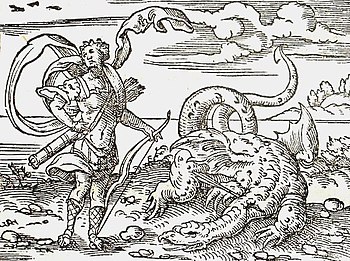
Python is a name that resonates with many people today, especially in the fields of programming and technology. However, the origin of this name can be traced back to Greek mythology. In ancient Greece, Python was a significant figure, representing a powerful serpent or dragon that played a crucial role in various myths and legends. This article will delve into the story of Python, exploring its connections to the gods, particularly Apollo, and its significance in Greek culture.
The Myth of Python
The myth of Python begins in the region of Delphi, which was considered one of the most sacred places in ancient Greece. According to legend, Python was a monstrous serpent that lived in the caves of Delphi. This creature was feared by many, as it was known for its ferocity and size. It was said that Python was born from the mud and slime left behind after the great flood, making it a creature of chaos and destruction. The serpent guarded the oracle of Delphi, a powerful source of prophecy and wisdom.
 Rhadamanthus
Python’s connection to the earth is essential to understanding its role in Greek mythology. The serpent was often associated with the Gaea, the Earth goddess. This connection highlights the ancient Greeks’ belief in the balance of nature, where powerful creatures like Python played a vital role in maintaining this equilibrium. The presence of Python in Delphi was a reminder of the chaos that could arise if this balance was disrupted.
The Battle with Apollo
The most famous story involving Python is its battle with Apollo, the god of the sun, music, and prophecy. According to myth, Apollo sought to claim the oracle of Delphi for himself. To do this, he needed to defeat Python, the guardian of the oracle. The battle was fierce and intense, with Apollo using his strength and cunning to confront the serpent. This encounter symbolizes the struggle between order and chaos, as Apollo represented civilization and enlightenment, while Python embodied chaos and destruction.
Apollo’s victory over Python is a significant moment in Greek mythology. After defeating the serpent, Apollo established the Delphic Oracle, which became a central place for prophecy in ancient Greece. People from all over would come to Delphi to seek guidance from the oracle, further solidifying Apollo’s role as a deity of knowledge and foresight. This victory also marked the beginning of Apollo’s dominance over Delphi, a place that would become synonymous with his name.
 Rhea
RheaSymbolism of Python
In Greek mythology, Python is rich in symbolism. The serpent represents not only chaos and destruction but also the primal forces of nature. This duality highlights the ancient Greeks’ understanding of the world around them. They recognized that while chaos could bring destruction, it was also a necessary part of life that led to growth and renewal. This idea is reflected in the cycle of nature, where the death of one creature can provide life for another.
Additionally, Python symbolizes the feminine aspect of nature. Many myths portray Python as a female creature, often associated with the earth and fertility. This connection emphasizes the importance of the feminine in the balance of life. In many cultures, including ancient Greece, the earth is often personified as a mother figure, nurturing and providing for all living beings. The defeat of Python by Apollo can also be interpreted as a victory of the masculine over the feminine, showcasing the ongoing struggle between these two forces in mythology.
Python in Modern Culture
The legacy of Python extends beyond ancient myths and into modern culture. The name “Python” has been adopted in various fields, most notably in programming. The Python programming language, created by Guido van Rossum in the late 1980s, is named after the British comedy group Monty Python, but it also indirectly pays homage to the mythological serpent. Just as the original Python represented chaos and the unknown, the Python programming language is known for its simplicity and versatility, allowing users to navigate complex problems with ease.
 Sabazius
Moreover, Python’s influence can be seen in literature, film, and art. Many modern works draw inspiration from Greek mythology, including the tale of Python. The stories of gods and monsters continue to captivate audiences, highlighting the timeless nature of these myths. Artists and writers often use Python as a symbol of struggle and the quest for knowledge, reflecting the challenges faced by humanity in the pursuit of understanding the world.
The Oracle of Delphi
The Oracle of Delphi, established after Apollo’s victory over Python, became one of the most significant religious sites in ancient Greece. It was here that people from all walks of life would come to seek advice and predictions about their futures. The oracle was known for its enigmatic responses, often delivered in cryptic language that required interpretation. This process added to the allure and mystery surrounding the oracle, making it a place of pilgrimage for many.
The role of the oracle was not limited to personal guidance; it also played a significant part in political and military decisions. Leaders and rulers would consult the oracle before embarking on wars or making crucial decisions for their cities. This reliance on the oracle demonstrates the profound impact of Python’s defeat and Apollo’s establishment of order in the region. The oracle served as a bridge between the divine and the mortal, allowing individuals to connect with the gods through prophecy.
Python’s Legacy in Religion
The story of Python and Apollo also reflects the ancient Greeks’ understanding of religion and the divine. The battle between these two figures illustrates the struggle for power and control over sacred spaces. Apollo’s victory symbolizes the triumph of the Olympian gods over the primordial forces of chaos, which were often represented by creatures like Python. This theme of divine order versus chaos is a recurring motif in many ancient religions and mythologies.
Furthermore, Python’s defeat can be seen as a metaphor for the establishment of new religious practices. As Apollo claimed the oracle, he introduced new forms of worship and rituals that would shape the spiritual landscape of ancient Greece. The transition from the chaotic forces represented by Python to the structured worship of Apollo signifies a shift towards a more organized and civilized approach to religion, highlighting the importance of order in society.
Python in Literature and Art
The tale of Python has inspired countless works of literature and art throughout history. Many ancient Greek playwrights and poets referenced the myth in their works, using it as a symbol of struggle and transformation. For example, in Ovid’s Metamorphoses, the story of Python is intertwined with themes of metamorphosis and the complexities of nature. These themes resonate with audiences, as they explore the relationship between humanity and the natural world.
In visual art, Python has been depicted in various forms, from ancient pottery to Renaissance paintings. Artists often portrayed the fierce battle between Apollo and Python, capturing the intensity and drama of this mythological encounter. These representations serve as a reminder of the enduring power of myths and their ability to convey profound truths about the human experience.
Conclusion of Python’s Journey
The journey of Python from a fearsome serpent to a symbol of chaos and transformation is a testament to the richness of Greek mythology. The stories surrounding Python, Apollo, and the Oracle of Delphi continue to resonate with us today, reflecting timeless themes of struggle, knowledge, and the balance of nature. As we explore the depths of these myths, we gain insight into the ancient Greeks’ understanding of the world and their place within it.