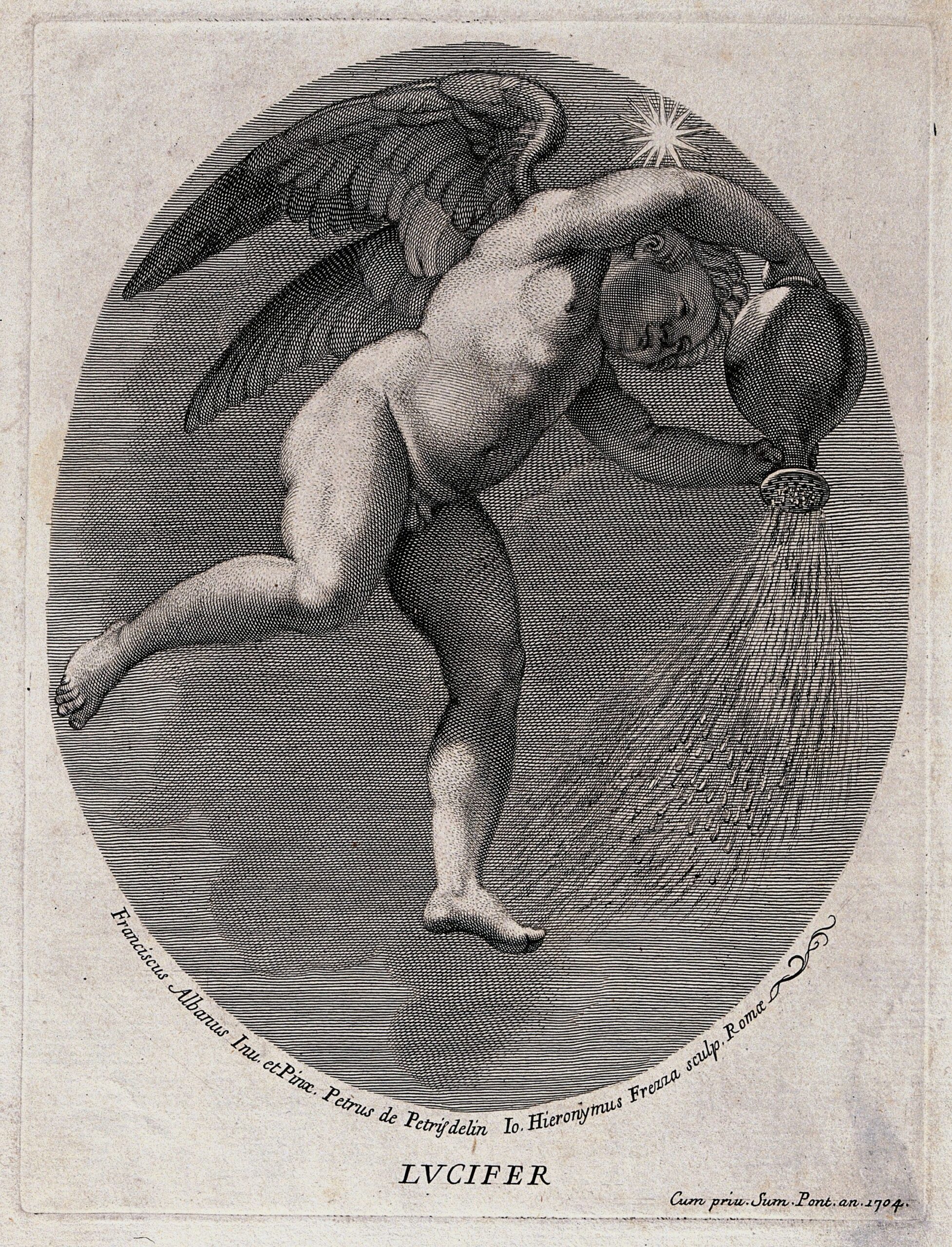
Phospheros, a term that resonates deeply within the realm of Greek mythology, is often associated with the embodiment of light and enlightenment. In many ancient texts, Phospheros is linked to the morning star, symbolizing hope and new beginnings. The name itself derives from the Greek word for “light-bringer,” and it carries significant weight in various mythological narratives. This article aims to explore the multifaceted aspects of Phospheros, including its origins, representations in literature, and its influence on culture and art.
Origins of Phospheros
The origins of Phospheros can be traced back to ancient Greek cosmology, where celestial bodies were often personified. The ancient Greeks believed that stars and planets had divine qualities and could influence human lives. Phospheros, associated with the planet Venus, was revered as a powerful deity that heralded the dawn. The association with light made Phospheros a symbol of purity and clarity, often invoked in rituals aimed at seeking guidance and wisdom.
 Pleione
In addition to its celestial connections, Phospheros is sometimes linked to the Titan Hyperion, who is known as the father of the sun, moon, and dawn. This connection emphasizes the significance of light in Greek mythology and illustrates how various deities were intertwined. Hyperion’s children, Selene (the moon) and Helios (the sun), further highlight the importance of celestial light, positioning Phospheros as a crucial figure in this divine family.
Phospheros in Ancient Texts
Phospheros appears in several ancient texts, often symbolizing the transition from night to day. One of the most notable mentions is in Hesiod’s “Theogony,” where the morning star is depicted as a herald of dawn, bringing light to the dark world. This portrayal emphasizes the transformative power of Phospheros, as it signifies the end of darkness and the arrival of a new day filled with possibilities.
Additionally, Homer references Phospheros in “The Iliad” and “The Odyssey,” where the morning star serves as a guide for heroes embarking on their journeys. The appearance of Phospheros was seen as an omen, a sign that the gods were watching over the mortals. Such references illustrate the deep-rooted belief in the connection between celestial phenomena and human fate, where Phospheros plays a pivotal role in guiding individuals toward their destinies.
 Plutus
Symbolism and Representation
The symbolism of Phospheros extends beyond its role as a light-bringer. It embodies hope, rebirth, and the promise of a new beginning. In many cultures, the morning star is seen as a harbinger of good fortune, representing the end of trials and tribulations. This symbolism is particularly potent in the context of Greek mythology, where many characters face immense challenges before ultimately finding resolution and peace.
Artistically, Phospheros has been represented in various forms, from paintings to sculptures. In classical art, the figure of Phospheros is often depicted as a youthful, radiant being, holding a torch or a flame. This imagery reinforces the idea of enlightenment and knowledge, suggesting that Phospheros not only brings light to the physical world but also illuminates the minds of individuals, guiding them toward wisdom.
Phospheros in Modern Culture
 Podarge
The legacy of Phospheros extends into modern culture, where it continues to inspire various forms of art and literature. The concept of a “light-bringer” resonates with contemporary themes of enlightenment and knowledge. In literature, characters who embody the qualities of Phospheros often serve as mentors or guides, helping others navigate their journeys. This archetype can be seen in many stories across different genres, highlighting the enduring influence of Greek mythology on modern storytelling.
Moreover, Phospheros has found a place in popular culture, particularly in the realms of fantasy and science fiction. Many authors and creators draw inspiration from the mythological figure, incorporating elements of light and guidance into their narratives. This connection to Phospheros not only enriches the storytelling but also reminds audiences of the timeless struggle between light and darkness, knowledge and ignorance.
Phospheros and Astrology
In astrology, the planet Venus, associated with Phospheros, plays a significant role in influencing human emotions and relationships. Venus is often regarded as the planet of love and beauty, and its connection to Phospheros adds an additional layer of meaning. The morning star is believed to bring clarity and insight into matters of the heart, guiding individuals toward healthier relationships and self-awareness.
Astrologers often analyze the position of Venus in a natal chart to understand a person’s approach to love, beauty, and harmony. The influence of Phospheros can be seen as a guiding light, encouraging individuals to seek balance and understanding in their relationships. This celestial connection emphasizes the importance of self-discovery and personal growth, aligning with the broader themes present in Greek mythology.
Phospheros in Art and Literature
The artistic representations of Phospheros have evolved over time, but the core symbolism remains intact. In paintings from the Renaissance period, Phospheros is often depicted alongside other celestial bodies, emphasizing the interconnectedness of the universe. Artists like Giorgione and Titian captured the essence of light and its transformative power, using Phospheros as a central figure in their compositions.
In literature, the theme of light versus darkness continues to be explored through the lens of Phospheros. Many authors utilize the imagery of the morning star to symbolize hope and renewal. For example, in contemporary poetry, the mention of Phospheros often evokes feelings of longing and aspiration, as individuals strive for clarity in their lives. This literary device serves to connect readers with the timeless themes found in Greek mythology.
Phospheros and Philosophy
The philosophical implications of Phospheros extend beyond its mythological origins. The concept of light as a metaphor for knowledge and truth has been a recurring theme in philosophical discourse. Ancient philosophers, such as Plato, often used the allegory of light to represent enlightenment and the pursuit of wisdom. In this context, Phospheros serves as a powerful symbol of the human quest for understanding and meaning in a complex world.
Furthermore, the duality of light and darkness in relation to Phospheros invites discussions about morality and ethics. The idea that light can guide individuals toward righteousness while darkness represents ignorance and evil has been a topic of philosophical inquiry for centuries. This exploration of light as a guiding principle aligns with the overarching themes present in Greek mythology, where characters often face moral dilemmas that challenge their understanding of good and evil.
Phospheros in Rituals and Worship
In ancient Greece, the worship of Phospheros often involved rituals aimed at invoking light and guidance. These rituals were typically performed at dawn, symbolizing the arrival of a new day and the hope it brings. Offerings of flowers and incense were made to honor Phospheros, as devotees sought blessings for clarity and insight in their lives. Such practices highlight the importance of light in spiritual beliefs and the desire for divine intervention in human affairs.
Moreover, the association of Phospheros with the dawn made it a significant figure in agricultural rituals. Farmers would invoke Phospheros to ensure a bountiful harvest, as the morning light was seen as essential for the growth of crops. This connection between Phospheros and the cycles of nature underscores the profound relationship between mythology, spirituality, and everyday life in ancient Greek culture.
Comparative Mythology: Phospheros and Other Cultures
The figure of Phospheros finds parallels in various mythologies around the world. Many cultures have their own representations of the morning star or light-bringer, each embodying similar themes of hope and enlightenment. For instance, in Mesopotamian mythology, the goddess Ishtar is often associated with the planet Venus, serving as a symbol of love, war, and fertility. Like Phospheros, Ishtar represents the duality of light and darkness, embodying both nurturing and destructive qualities.
In Native American traditions, the morning star holds significant spiritual meaning, often regarded as a guide for navigation and a symbol of renewal. Various tribes celebrate the arrival of the morning star, recognizing its role in marking seasonal changes and the cycles of life. This cross-cultural appreciation for the morning star underscores the universal human fascination with light and its transformative power.
Phospheros in Contemporary Spirituality
In modern spiritual practices, the essence of Phospheros continues to resonate. Many individuals draw inspiration from the concept of the light-bringer, seeking to embody the qualities of hope, guidance, and enlightenment in their lives. This pursuit often involves mindfulness practices, meditation, and self-reflection, allowing individuals to connect with their inner light and navigate the challenges of life with clarity and purpose.
Additionally, the symbolism of Phospheros is often incorporated into contemporary rituals and ceremonies. Whether in personal practices or communal gatherings, the invocation of light serves as a reminder of the potential for growth and transformation. This enduring connection to Phospheros highlights the timeless relevance of mythological themes in modern spirituality, bridging the gap between ancient wisdom and contemporary understanding.
Phospheros and the Arts
The impact of Phospheros on the arts is profound, influencing countless artists and creators throughout history. The symbolism of light and its transformative qualities have inspired masterpieces in painting, literature, and music. Many composers have drawn upon the themes of light and enlightenment, creating works that evoke the essence of Phospheros and its celestial significance.
In visual arts, the use of light as a focal point is a common technique employed by artists to convey emotion and meaning. The interplay of light and shadow often serves to enhance the narrative, creating a dynamic tension that captivates viewers. This artistic exploration of light is reminiscent of the qualities embodied by Phospheros, emphasizing the importance of illumination in the creative process.
Phospheros, as a symbol of light and enlightenment, holds a special place in Greek mythology and continues to influence various aspects of modern culture. Its connections to themes of hope, guidance, and transformation resonate deeply within the human experience. Through its representation in art, literature, philosophy, and spirituality, Phospheros serves as a timeless reminder of the power of light in illuminating our paths and guiding us toward greater understanding.