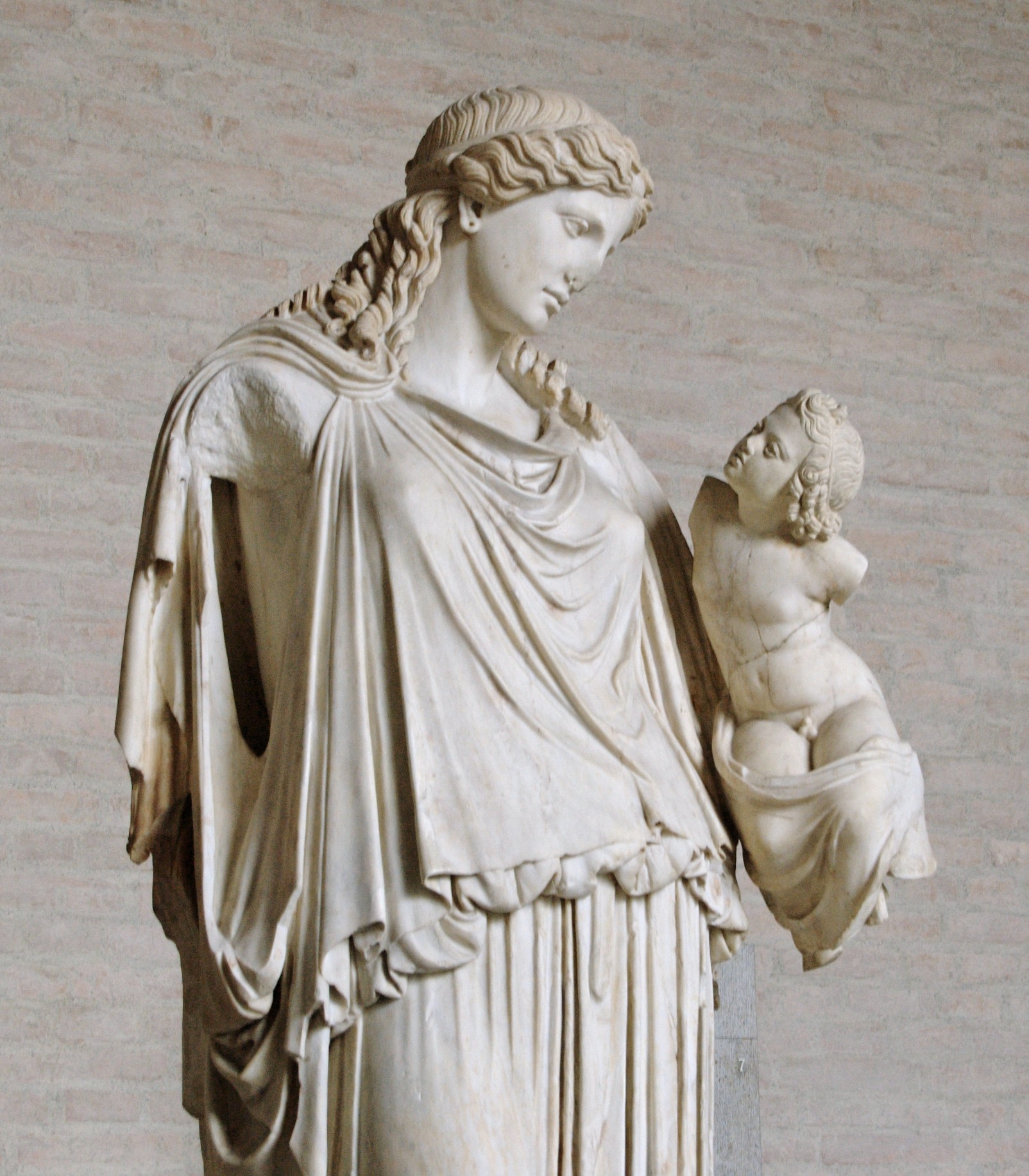
In Greek mythology, Plutus is often recognized as the god of wealth and abundance. He is typically depicted as a young man holding a cornucopia, which symbolizes prosperity and the fruits of the earth. The representation of Plutus is not just about material wealth; it also encompasses the richness of life and the blessings that come from the earth. His lineage is sometimes traced back to the goddess Dike, who represents justice, indicating that wealth is often distributed according to merit and fairness. This article will delve deeper into the various aspects of Plutus, his significance in mythology, and his influence on culture and society.
The Origins of Plutus
Plutus is said to be the son of Dike and Zeus, which places him in a notable position within the pantheon of Greek deities. His birth is often shrouded in mystery, but the association with Dike implies that wealth is a product of justice. This connection is essential in understanding how the Greeks viewed wealth; it was not merely a result of chance but also of fairness and moral conduct. In various texts, Plutus is portrayed as blind, symbolizing the idea that wealth is distributed without regard to the worthiness of the recipient. This blindness serves as a reminder that riches can come to anyone, regardless of their character.
 Podarge
Additionally, some myths suggest that Plutus was raised by Demeter, the goddess of agriculture. This connection to agriculture further emphasizes the notion that true wealth comes from the earth and its bounty. The earth provides not just material goods but also sustenance and life. In this sense, Plutus embodies the idea that wealth is intrinsically linked to nature and the environment. This relationship between Plutus and the earth is reflected in various agricultural festivals and rituals that honor both the god of wealth and the goddess of the harvest.
Plutus in Literature and Art
Throughout history, Plutus has been a subject of fascination in both literature and art. In classical texts, he is often mentioned in the context of discussions about wealth, morality, and the nature of happiness. The works of playwrights such as Aristophanes feature Plutus as a central character, exploring themes of greed and the consequences of wealth. One of the most notable plays is “Plutus,” where the god of wealth is portrayed as a character who brings both fortune and misfortune to those who encounter him. This duality highlights the complexities of wealth and its impact on human lives.
In visual art, Plutus is frequently depicted alongside other deities associated with prosperity. Artists from the Renaissance to modern times have used the image of Plutus to symbolize the abundance of life. For example, paintings often feature him holding a cornucopia, overflowing with fruits and flowers, which serves as a visual representation of prosperity. These artistic interpretations reflect society’s ongoing relationship with wealth and its implications, showcasing both the allure and the potential pitfalls that come with it.
 Pollux
The Symbolism of Plutus
The symbolism associated with Plutus extends beyond just the idea of wealth. His blindness is a powerful metaphor for the arbitrary nature of fortune; wealth can come to anyone, regardless of their virtues or vices. This aspect of his character raises important questions about justice and equity in the distribution of resources. In many cultures, the notion of wealth is intertwined with morality, leading to the belief that those who are wealthy must also be virtuous. Plutus challenges this idea by illustrating that wealth can be blind to morality.
Moreover, the cornucopia that Plutus holds is not merely a symbol of material wealth; it also represents the abundance of nature and the idea of nurturing. This reinforces the connection between Plutus and agriculture, reminding us that true wealth comes from a harmonious relationship with the earth. The cornucopia serves as a reminder that we must respect and care for our environment to ensure continued prosperity. In this way, Plutus embodies the balance between wealth and sustainability, emphasizing the importance of stewardship in achieving lasting abundance.
Plutus and the Concept of Happiness
In Greek mythology, the relationship between wealth and happiness is complex. Many myths explore the idea that wealth does not guarantee happiness, a theme prominently featured in the stories surrounding Plutus. Characters who gain wealth often face moral dilemmas and challenges that question the true value of their riches. This narrative suggests that while wealth can provide comfort and security, it does not necessarily lead to fulfillment or joy. Plutus, as the god of wealth, serves as a reminder that the pursuit of material goods should not overshadow the importance of personal values and relationships.
 Polyhymnia
The myth of Plutus invites reflection on what it means to be truly wealthy. In many stories, characters who prioritize wealth over relationships ultimately find themselves unhappy. This suggests that happiness is derived not from material possessions but from meaningful connections with others. Plutus, in his role as the god of wealth, encourages individuals to seek a balance between pursuing financial stability and nurturing their personal relationships. In this way, he becomes a symbol of the ongoing struggle between materialism and the pursuit of a fulfilling life.
Modern Interpretations of Plutus
In contemporary society, the figure of Plutus continues to resonate in discussions about wealth, success, and happiness. His image is often used in various forms of media to represent the duality of wealth—its potential for both good and harm. In financial literature, Plutus is sometimes invoked to illustrate the importance of ethical considerations in the pursuit of wealth. This modern interpretation emphasizes that wealth should be acquired and used responsibly, echoing the ancient beliefs surrounding Plutus and his significance in mythology.
Additionally, Plutus serves as a reminder of the societal implications of wealth disparity. In today’s world, where economic inequality is a pressing issue, the lessons from Plutus’s myths become increasingly relevant. The blind distribution of wealth can lead to significant disparities in access to resources, opportunities, and quality of life. By reflecting on the myths surrounding Plutus, individuals and societies can engage in critical conversations about wealth distribution and the moral responsibilities that accompany financial success.
Festivals and Celebrations
In ancient Greece, various festivals celebrated the themes associated with Plutus and the bountiful gifts of the earth. These celebrations often included rituals that honored both Plutus and Demeter, emphasizing the interconnectedness of wealth, agriculture, and nature. Festivals typically featured offerings of food, flowers, and grains, symbolizing gratitude for the earth’s abundance. Participants would engage in feasting, dancing, and communal activities that reinforced social bonds and celebrated the blessings of prosperity.
One notable festival is the Thesmophoria, which was dedicated to Demeter and celebrated the harvest. While primarily focused on the goddess of agriculture, the festival also acknowledged the role of Plutus as the god of wealth. During these festivities, participants would reflect on the importance of gratitude and stewardship, recognizing that wealth should be shared and used for the greater good. This communal spirit is an essential aspect of ancient Greek culture, reminding individuals of their responsibility to one another and the earth.
Plutus in Philosophy
Philosophers in ancient Greece often contemplated the nature of wealth, happiness, and morality, with Plutus serving as a focal point for these discussions. Thinkers such as Socrates and Aristotle explored the idea that true wealth is not measured by material possessions but rather by virtue and the quality of one’s character. These philosophical inquiries challenge the notion that wealth alone can lead to a fulfilling life, suggesting instead that happiness arises from a life lived in accordance with ethical principles.
In particular, Aristotle’s concept of the “Golden Mean” emphasizes the importance of balance in all aspects of life, including the pursuit of wealth. He argued that excessive desire for material wealth could lead to moral corruption, while a complete rejection of wealth could result in poverty and suffering. This perspective aligns with the character of Plutus, who embodies the complexities of wealth and its impact on human behavior. Philosophical discussions surrounding Plutus continue to influence modern thought, encouraging individuals to consider the ethical implications of their financial decisions.
Plutus in Popular Culture
Today, the figure of Plutus has transcended ancient mythology and finds its place in popular culture. He is often referenced in literature, film, and art, symbolizing the ongoing relationship between humanity and wealth. In various adaptations, Plutus is portrayed as a character who brings fortune to those who encounter him, but often at a cost. This modern interpretation reflects the ambivalence surrounding wealth, capturing the allure and potential pitfalls that come with it.
Moreover, Plutus has inspired various characters in modern storytelling, particularly in tales that explore themes of greed and redemption. These narratives often echo the ancient myths, reminding audiences of the moral lessons associated with wealth. Through these portrayals, Plutus serves as a cautionary figure, urging individuals to reflect on their relationship with money and the values they prioritize in their lives.
The Legacy of Plutus
The legacy of Plutus endures as a powerful symbol of wealth and its complexities. His myths encourage ongoing discussions about the nature of prosperity, morality, and the pursuit of happiness. As societies grapple with issues of economic inequality and the ethical dimensions of wealth, the lessons from Plutus’s stories remain relevant. His character serves as a reminder that true wealth encompasses not just material abundance but also the quality of relationships and the responsibility individuals have toward one another.
In contemporary discussions about wealth, the figure of Plutus challenges us to reconsider our values and priorities. As we navigate the complexities of modern life, the stories and symbolism associated with Plutus can guide us toward a more balanced and ethical approach to wealth. By reflecting on the lessons from ancient mythology, we can strive to create a society that values both abundance and justice, ensuring that the gifts of the earth are shared equitably among all.