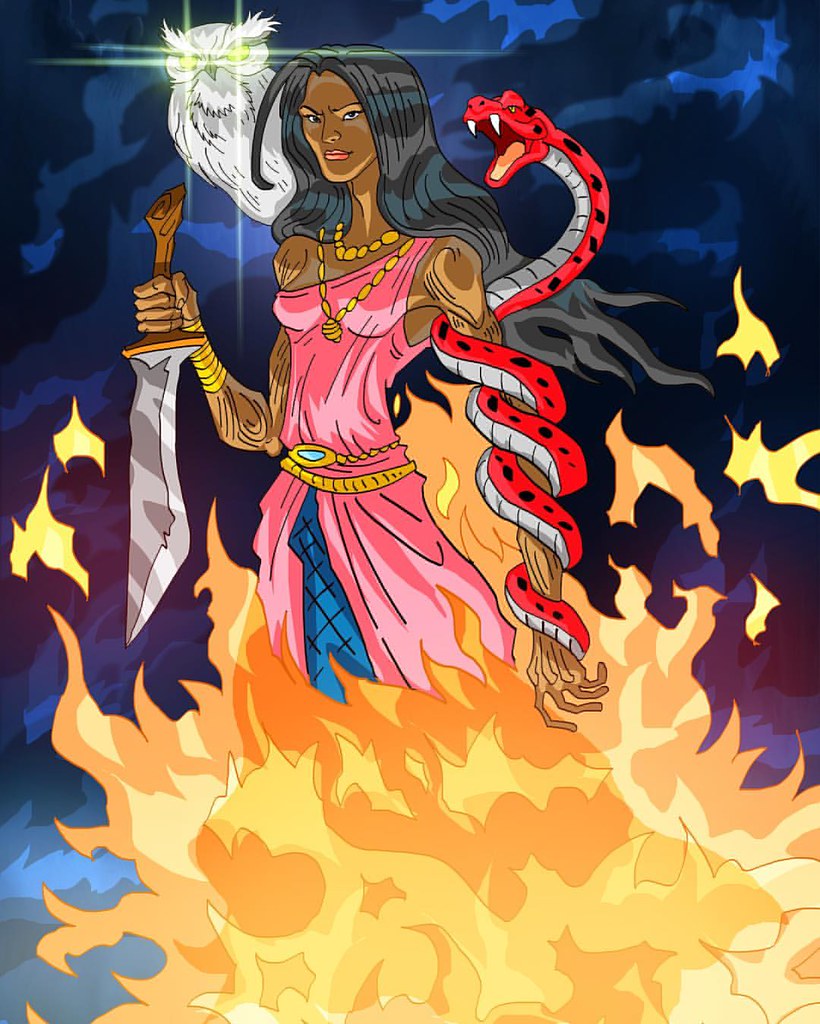
Petro is a fascinating aspect of Vodou mythology, representing a complex and rich tradition within the broader framework of Haitian Vodou. The Petro spirits, or lwa, are often associated with fire, passion, and a strong connection to the earth. They embody the struggles and resilience of the Haitian people, reflecting their history of suffering and triumph. The Petro family of spirits is known for their fierce and dynamic nature, which distinguishes them from the more gentle and nurturing spirits of the Rada tradition. Understanding Petro requires a deep dive into its cultural significance and the various practices associated with it.
The Origins of Petro
The origins of the Petro tradition can be traced back to the enslaved Africans who were brought to Haiti during the transatlantic slave trade. These individuals brought with them their own spiritual beliefs and practices, which blended with the indigenous Taíno beliefs and Catholicism. This fusion resulted in the development of Vodou as it is known today. The Petro spirits are particularly linked to the experiences of the enslaved, as they often represent the struggle for freedom and resistance against oppression.
 Ogou Shango
The word “Petro” itself is believed to have originated from the word “pétro,” which refers to a type of charcoal used in the spiritual practices of Vodou. This connection to fire and charcoal symbolizes the energy and strength of the Petro spirits. They are often invoked in rituals that require a powerful and transformative energy, making them essential in the Vodou practice for those seeking to overcome challenges or fight against injustice.
Characteristics of Petro Spirits
Petro spirits are known for their intensity and passion. Unlike the Rada spirits, who are often viewed as more benevolent and nurturing, the Petro lwa are fierce and can be quite unpredictable. They are associated with the elements of fire and earth, which adds to their dynamic nature. These spirits are often called upon for matters of protection, vengeance, and justice. The Petro spirits are believed to be powerful allies in times of need, especially when facing adversaries or challenging situations.
Each Petro spirit has its own unique personality and attributes. For example, Baron Samedi, one of the most famous Petro lwa, is the spirit of the dead and is known for his mischievous and unpredictable nature. He is often depicted wearing a black suit and a top hat, symbolizing his connection to the afterlife. Baron Samedi is called upon during rituals related to death and the ancestors, but he also has a playful side that can be both endearing and dangerous.
 Ogou Feray
Key Petro Spirits
- Baron Samedi: The guardian of the graveyard and the spirit of the dead.
- Erzulie Dantor: A fierce mother figure who represents love and protection.
- Ghede: The spirit of fertility and death, known for his humor and revelry.
- La Sirene: A spirit associated with the sea, often depicted as a mermaid.
Each of these spirits plays a crucial role in the lives of Vodou practitioners, offering guidance and support in various aspects of life. For instance, Erzulie Dantor is often called upon by women seeking protection for their families, while Ghede is invoked for fertility and joyous celebrations. The diversity among Petro spirits allows practitioners to choose the appropriate lwa for their specific needs.
The Rituals and Practices of Petro
Rituals involving Petro spirits are often characterized by their intensity and energy. These ceremonies can be loud, vibrant, and filled with music and dance. Drumming is a crucial component of Petro rituals, as the rhythms help to invoke the spirits and create an atmosphere conducive to spiritual communication. The beats of the drums resonate with the fiery nature of the Petro lwa, drawing them closer to the physical realm.
During a Petro ceremony, participants may engage in trance states, allowing the spirits to possess them temporarily. This possession is seen as a sacred connection between the human and the divine, enabling the lwa to offer guidance, protection, or even healing. The possessed individuals may speak in different voices, perform specific actions, or display behaviors that are characteristic of the spirit inhabiting them.
 Ogou Badagris
Common Elements in Petro Rituals
- Drumming: Essential for invoking the spirits.
- Dancing: A way to express joy and connect with the lwa.
- Offerings: Foods, drinks, and other items presented to the spirits.
- Invocation: Calling upon the spirits through prayers and songs.
Offerings are also a significant aspect of Petro rituals. Practitioners may present items such as rum, tobacco, or specific foods that the spirits enjoy. These offerings serve as a way to honor the lwa and establish a reciprocal relationship. In return for these gifts, the Petro spirits are believed to provide assistance and guidance in various life challenges.
The Symbolism of Petro
Petro spirits are rich in symbolism, reflecting the struggles and resilience of the Haitian people. The use of fire as a symbol is particularly prominent, representing both destruction and transformation. Fire is seen as a purifying force, capable of burning away negativity and paving the way for new beginnings. This duality is a central theme in Petro mythology, emphasizing the need for both destruction and creation in the journey of life.
Additionally, the symbolism of the earth is significant in Petro practices. The spirits are often associated with the land, which holds deep cultural and spiritual importance for the Haitian people. The earth is viewed as a source of strength and sustenance, grounding the spirits and their followers. This connection to the land reinforces the idea of resilience and the ability to rise above adversity, a core aspect of the Petro tradition.
Common Symbols Associated with Petro
- Fire: Represents transformation and purification.
- Charcoal: Symbolizes strength and energy.
- Skulls: Represents the connection to ancestors and the spirit world.
- Crosses: Symbolizes the blend of African and Christian traditions.
Understanding these symbols is essential for anyone interested in exploring Petro mythology. They offer insights into the beliefs and values that shape the practices of Vodou practitioners. Each symbol carries a story and a lesson, reminding followers of their history and the importance of maintaining a connection to their roots.
Petro and Social Justice
The Petro tradition is deeply intertwined with themes of social justice and resistance. The spirits are often invoked during times of struggle, serving as powerful allies for those fighting against oppression and inequality. This connection to social justice is rooted in the history of the Haitian people, who have faced numerous challenges throughout their history, including colonialism, slavery, and political turmoil.
Many Vodou practitioners view the Petro spirits as symbols of strength and resilience. They believe that invoking these lwa can provide the courage needed to confront injustice and advocate for change. The rituals associated with Petro are not just personal but also communal, bringing people together to unite in their struggles and aspirations for a better future.
Petro as a Tool for Empowerment
- Community Building: Petro rituals foster a sense of belonging and unity.
- Personal Empowerment: Individuals find strength and courage through their connection to the spirits.
- Activism: The Petro tradition inspires action against social injustices.
- Healing: Rituals can provide emotional and spiritual healing for individuals and communities.
This empowerment extends beyond the individual to the community as a whole. By coming together in rituals and ceremonies, practitioners strengthen their bonds and create a support network that fosters resilience. This communal aspect of Petro is vital for maintaining cultural identity and fighting against social injustices.
The Role of Women in Petro
Women play a crucial role in the Petro tradition, often serving as leaders and practitioners within their communities. Many of the Petro spirits, such as Erzulie Dantor, embody feminine strength and resilience. This connection to powerful female spirits empowers women to take on leadership roles in rituals and community organizing, allowing them to advocate for their rights and the rights of others.
Women in Vodou are often seen as the caretakers of spiritual knowledge, passing down traditions and practices to future generations. Their involvement in Petro rituals is essential for maintaining the cultural heritage of Vodou and ensuring that the teachings of the spirits continue to thrive. This emphasis on female leadership reflects the broader themes of empowerment and resilience that are central to the Petro tradition.
Women in Petro Rituals
- Healers: Many women serve as herbalists and spiritual healers.
- Leaders: Women often lead rituals and ceremonies.
- Protectors: They invoke the spirits for protection and guidance.
- Teachers: Women pass down knowledge and traditions to younger generations.
The contributions of women to the Petro tradition highlight the importance of gender dynamics within Vodou. Their roles not only empower them personally but also strengthen the community as a whole. The presence of strong female figures in Petro mythology serves as a reminder of the resilience and strength of women in the face of adversity.
Contemporary Perspectives on Petro
In contemporary society, the Petro tradition continues to evolve while maintaining its core beliefs and practices. Many Vodou practitioners are working to reclaim and celebrate their cultural heritage, emphasizing the importance of Petro as a symbol of resistance and empowerment. This revival is essential for preserving the tradition and ensuring that it remains relevant in today’s world.
Moreover, the intersection of Petro with modern social justice movements has given rise to new interpretations and practices. Many activists draw inspiration from the teachings of the Petro spirits, using them as a source of strength in their fight against systemic oppression. This blending of traditional practices with contemporary issues highlights the adaptability and resilience of the Petro tradition.
Petro in Modern Activism
- Social Movements: Activists incorporate Petro beliefs into their work for justice.
- Art and Expression: Artists use Petro themes to convey messages of resistance.
- Education: Efforts to educate others about the significance of Petro and Vodou.
- Cultural Celebrations: Events celebrating Petro traditions and heritage.
These contemporary perspectives on Petro demonstrate its ongoing relevance and significance in the lives of practitioners. The tradition serves not only as a spiritual practice but also as a framework for understanding and confronting the challenges faced by marginalized communities. Through the lens of Petro, practitioners find the strength and inspiration needed to navigate the complexities of modern life.
The Future of Petro
The future of the Petro tradition looks promising as more individuals seek to understand and engage with Vodou practices. There is a growing interest in the spiritual and cultural aspects of Petro, with many people recognizing its importance in the broader context of Haitian history and identity. This renewed interest is essential for ensuring that the teachings and practices of Petro continue to thrive for future generations.
As more individuals engage with the Petro tradition, there is an opportunity for cross-cultural dialogue and understanding. By sharing the stories and teachings of Petro spirits, practitioners can educate others about the richness of Vodou and its significance in the lives of those who practice it. This exchange can foster greater appreciation and respect for diverse cultural traditions, promoting a more inclusive and understanding society.
Preserving Petro for Future Generations
- Education: Teaching younger generations about the Petro tradition.
- Documentation: Recording stories and practices to preserve knowledge.
- Community Engagement: Involving the community in celebrations and rituals.
- Advocacy: Supporting the rights of Vodou practitioners and their cultural heritage.
the Petro tradition is a vital part of Vodou mythology, representing strength, resilience, and the ongoing struggle for justice. Through its rich history and dynamic practices, Petro continues to inspire individuals and communities to confront challenges and advocate for a better future. As the tradition evolves, it remains a powerful symbol of empowerment and cultural identity for the Haitian people and beyond.