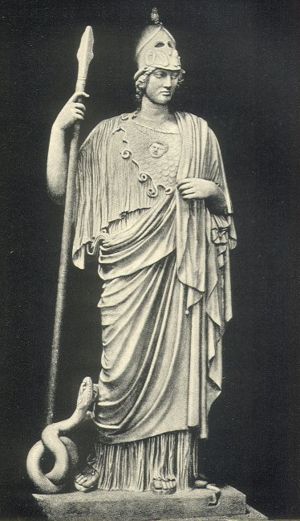
Pallas is a name that holds great significance in Greek mythology. It is often associated with wisdom, warfare, and various aspects of civilization. One of the most prominent figures related to this name is Pallas Athena, the goddess of wisdom, courage, and strategic warfare. Athena was not only revered for her intellect but also for her role in protecting cities and guiding heroes. This article will delve into the various aspects of Pallas, exploring her origins, attributes, and the myths that surround her.
The Origins of Pallas
The name Pallas has roots that can be traced back to ancient Greece. It is often linked to the word “palladion,” which refers to a protective statue of Athena. According to various myths, Pallas was originally a giant or a deity associated with the earth and nature. In some stories, she is depicted as a friend of Athena, who accidentally killed her during a sparring match. In her grief, Athena adopted the name Pallas as a way to honor her fallen friend.
 Pallas-
In other accounts, Pallas is described as a primordial being, embodying the raw, untamed aspects of nature. This duality of Pallas—both as a fierce warrior and a symbol of wisdom—reflects the complexities of ancient Greek beliefs. The stories surrounding Pallas and Athena reveal how the Greeks viewed the balance between strength and intelligence, an essential theme in many of their myths.
Pallas Athena: The Goddess of Wisdom
Pallas Athena is perhaps the most famous figure associated with the name Pallas. As the goddess of wisdom, she represents the intellectual side of warfare and the importance of strategy in battle. Unlike Ares, the god of chaotic war, Athena embodies the idea that knowledge and planning are crucial to success in any conflict. Her wisdom extends beyond the battlefield, influencing various aspects of Greek life, including arts, crafts, and the protection of cities.
Athena is often depicted wearing a helmet and carrying a shield, symbolizing her readiness for battle. However, she is also shown with an owl, representing her connection to knowledge and foresight. This dual representation reinforces the idea that true strength lies in a combination of intellect and physical prowess. Her role as a protector of cities is epitomized in her association with Athens, the city named in her honor, where she was worshipped as the patron deity.
 Pallas-
The Myths of Pallas Athena
Many myths surround Pallas Athena, each illustrating her various attributes and the lessons they convey. One of the most famous myths is the story of the contest between Athena and Poseidon for the patronage of Athens. In this tale, Poseidon struck the ground with his trident, creating a saltwater spring, while Athena offered an olive tree. The citizens chose Athena’s gift for its practical uses, and she became the city’s protector. This myth highlights the value of wisdom over brute force, a recurring theme in many of her stories.
Another significant myth involves the hero Perseus, whom Athena assisted in his quest to slay Medusa. In this story, she provides Perseus with a reflective shield, allowing him to view Medusa without being turned to stone. This act of guidance showcases Athena’s role as a mentor and protector, emphasizing the importance of intelligence and strategy in overcoming challenges. Athena’s involvement in Perseus’s journey also reflects her commitment to aiding heroes, further solidifying her reputation as a guardian of civilization.
The Symbolism of Pallas Athena
Pallas Athena is rich in symbolism, embodying various ideals that were highly regarded in ancient Greek society. Her attributes often reflect the qualities that the Greeks valued, such as courage, wisdom, and justice. The olive tree, a symbol of peace and prosperity, represents her nurturing side, while her armor and weapons signify her readiness to defend her people. This duality makes her a complex figure, capable of both nurturing and protecting.
 Pallas-
Additionally, the owl, often associated with Athena, symbolizes wisdom and knowledge. In ancient Greece, the owl was regarded as a creature that could see what others could not, reflecting Athena’s ability to provide insight and clarity. This connection further emphasizes her role as a goddess who guides not only in war but also in the pursuit of knowledge and understanding.
Pallas in Art and Literature
Pallas Athena has been a popular subject in art and literature throughout history. Many ancient sculptures, pottery, and paintings depict her in various forms, often showcasing her armor and the owl. Artists have sought to capture her essence, illustrating her as a strong yet wise figure. One of the most famous representations is the statue of Athena Parthenos, created by Phidias and housed in the Parthenon in Athens. This statue exemplifies her beauty, strength, and divine nature, making it a significant cultural symbol.
In literature, Athena appears in many ancient texts, including Homer’s “Iliad” and “Odyssey.” In these epic poems, she plays a crucial role in guiding and assisting heroes, emphasizing her protective nature. Her presence in these stories highlights the importance of divine intervention in human affairs, a common theme in Greek mythology. Through these narratives, Athena’s character is developed, showcasing her multifaceted personality and her influence on the mortal realm.
Pallas Athena in Modern Culture
The legacy of Pallas Athena continues to resonate in modern culture. She is often referenced in literature, art, and popular media as a symbol of wisdom and strength. Many educational institutions and organizations adopt her image to represent knowledge and learning. For example, the owl, as her symbol, is commonly used in educational contexts to signify intelligence and scholarship.
In addition to her symbolic representation, Pallas Athena’s character has inspired numerous adaptations in contemporary storytelling. Her qualities of strategic thinking and empowerment resonate with modern audiences, making her a timeless figure in discussions about gender, leadership, and wisdom. Movies, books, and video games often draw upon her archetype, showcasing her as a powerful female figure who embodies the ideals of intelligence and bravery.
The Worship of Pallas Athena
The worship of Pallas Athena was a significant aspect of ancient Greek religion. Temples dedicated to her, such as the Parthenon in Athens, were centers of worship and cultural activity. Festivals like the Panathenaea celebrated her contributions to the city, featuring athletic competitions, artistic displays, and religious rituals. These events were not only a means of honoring the goddess but also served to strengthen community bonds and cultural identity.
The rituals associated with her worship often emphasized the themes of wisdom, justice, and civic duty. Prayers and offerings were made to seek her guidance and protection, reflecting the deep reverence the Greeks held for her. The prominence of Athena in their religious practices underscores her importance as a deity who influenced both individual lives and the broader society.
Pallas Athena and Feminism
In modern discussions about feminism, Pallas Athena is often invoked as a symbol of female empowerment. Her attributes of wisdom, strength, and strategic thinking challenge traditional gender roles and highlight the capabilities of women in positions of power. Athena’s character serves as an inspiration for many, representing the idea that women can embody both intellect and authority.
Furthermore, Athena’s role as a protector of cities and guide to heroes emphasizes the importance of female figures in leadership and decision-making. Her multifaceted personality, encompassing both nurturing and warrior traits, offers a more nuanced representation of femininity that resonates with contemporary discussions about gender equality and women’s rights.
The Legacy of Pallas Athena
The legacy of Pallas Athena endures through the ages, influencing various aspects of culture, education, and gender discussions. Her image as a wise and powerful goddess continues to inspire individuals and communities alike. In the realm of education, her association with knowledge and wisdom encourages the pursuit of learning and critical thinking, values that remain relevant today.
Moreover, Athena’s character serves as a reminder of the importance of balance between strength and intellect. In a world that often emphasizes physical power, her story encourages individuals to recognize the value of wisdom and strategy in achieving success. As society continues to evolve, the lessons derived from Pallas Athena’s myths and attributes remain pertinent, reinforcing the idea that true strength lies in the union of knowledge and action.