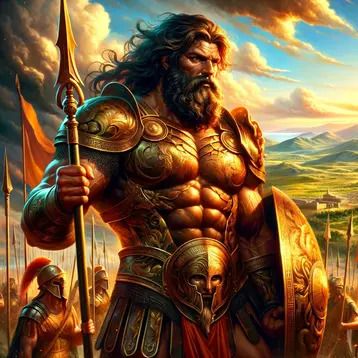
Pallas is a significant figure in Greek mythology, often associated with wisdom, warfare, and crafts. She is most commonly linked to the goddess Athena, who embodies these qualities. The name “Pallas” has various interpretations, and it is often used in conjunction with Athena, highlighting her multifaceted nature. The stories surrounding Pallas Athena reflect the complex relationships among gods, heroes, and mortals in ancient Greek culture. The tales not only serve to entertain but also to convey moral lessons and cultural values.
Origins of Pallas
The origins of Pallas can be traced back to ancient Greek myths that depict her as a warrior goddess. Some sources suggest that Pallas was initially a separate deity, representing the spirit of battle and skill. Over time, she became closely associated with Athena, who adopted the title. In some myths, Pallas is described as Athena’s childhood friend, who was tragically killed during a sparring match. This event deeply affected Athena, leading her to take on the name Pallas as a tribute to her fallen companion.
 Pan
PanAnother version of the myth indicates that Pallas was a Titaness, one of the original deities of Greek mythology. Titans were powerful beings who ruled during the Golden Age. Pallas, in this context, represents the ancient wisdom and strength that predates the Olympian gods. As the myths evolved, the character of Pallas merged with that of Athena, symbolizing the transition from the primordial forces of nature to the more structured pantheon of the Olympian gods.
Pallas Athena: The Warrior Goddess
Pallas Athena is often depicted as a fierce warrior, embodying both intelligence and strength. She is frequently shown wearing armor and carrying a shield, ready for battle. This representation emphasizes her role as a protector of cities and civilizations, particularly Athens, which is named after her. The goddess is also associated with the owl, a symbol of wisdom, which reinforces her dual nature as both a strategist in warfare and a guide in intellectual pursuits.
Athena’s strategies in battle are often highlighted in myths, showcasing her as a goddess who values intelligence over brute force. For example, during the Trojan War, she plays a crucial role in guiding heroes like Odysseus. Her advice and interventions often lead to significant victories, illustrating her importance in the realm of warfare. Unlike Ares, the god of war, who represents chaotic violence, Athena embodies a more calculated approach, emphasizing the importance of planning and wisdom in achieving success.
 Panacea
Pallas Athena and the Arts
In addition to her martial prowess, Pallas Athena is also the goddess of various arts and crafts. She is often associated with weaving, pottery, and other creative pursuits. This aspect of her character is illustrated in the myth of Arachne, a mortal weaver who dared to challenge Athena to a weaving contest. Arachne’s arrogance led to her downfall, as Athena transformed her into a spider, forever weaving webs. This story serves as a cautionary tale about the dangers of hubris and the importance of respecting the gods.
Athena’s role as a patron of the arts highlights the Greeks’ appreciation for creativity and craftsmanship. Temples dedicated to her, such as the Parthenon in Athens, are adorned with intricate sculptures and friezes that celebrate her achievements and virtues. These artistic representations not only honor the goddess but also reflect the cultural values of ancient Greece, where beauty, skill, and intellect were highly regarded.
Pallas in Literature and Poetry
The figure of Pallas Athena has inspired countless works of literature and poetry throughout history. Ancient poets such as Homer frequently invoked her name, recognizing her as a source of wisdom and guidance. In “The Iliad,” Athena plays a pivotal role in influencing the outcomes of battles and guiding heroes. Her presence in these epic tales underscores the belief that divine intervention was essential for success in both warfare and life.
 Pandora
In addition to epic poetry, Athena has also been a subject of tragedy and drama. Playwrights like Aeschylus and Sophocles incorporated her into their works, often portraying her as a figure of justice and moral integrity. Her character serves as a reminder of the values of wisdom, fairness, and courage, which resonate with audiences even today. Through these literary representations, Pallas Athena continues to influence modern interpretations of strength and intelligence.
Pallas Athena in Modern Culture
The legacy of Pallas Athena endures in modern culture, where her image and attributes are often referenced in various forms of media. From literature to film, the archetype of the wise and strong female figure can be traced back to her. Many contemporary characters embody the qualities of Athena, showcasing intelligence, bravery, and creativity. This enduring influence speaks to the timeless nature of her character and the values she represents.
In addition to fictional representations, Pallas Athena is often invoked in discussions about gender equality and empowerment. Her role as a warrior goddess who excels in both warfare and the arts serves as an inspiration for women striving for success in traditionally male-dominated fields. The ideals associated with Athena continue to resonate with those advocating for equality and recognition of women’s contributions across various domains.
The Symbolism of Pallas
Pallas Athena is rich in symbolism, representing a multitude of concepts that go beyond her warrior aspect. One of the most significant symbols associated with her is the owl, which signifies wisdom and knowledge. This connection highlights the importance of intellectual pursuits and strategic thinking, qualities that Athena embodies. The owl is often depicted alongside her in various artworks, reinforcing her association with wisdom.
Another important symbol is the olive tree, which Athena is said to have gifted to the people of Athens. This gift represents peace and prosperity, emphasizing her role as a nurturer and protector of civilization. The olive tree also signifies the importance of agriculture and sustenance, showcasing Athena’s multifaceted nature as both a warrior and a provider. This duality reflects the balance between strength and nurturing, a theme that resonates throughout her mythology.
Pallas Athena’s Cult and Worship
The worship of Pallas Athena was widespread in ancient Greece, particularly in Athens, where she was considered the city’s protector. The Acropolis, a prominent hill in Athens, is home to the Parthenon, a magnificent temple dedicated to her. This architectural marvel not only served as a place of worship but also as a symbol of Athenian democracy and cultural achievement. The rituals and festivals held in her honor, such as the Panathenaea, celebrated her contributions to the city and reinforced her significance in the lives of the people.
Priests and priestesses dedicated to Athena performed various ceremonies and offerings to seek her favor. These rituals often involved sacrifices, prayers, and artistic performances, showcasing the deep reverence the Greeks held for their goddess. The worship of Pallas Athena extended beyond Athens, as her influence was recognized in other city-states. Temples and shrines dedicated to her can be found throughout the ancient Greek world, indicating her widespread veneration.
Pallas Athena in Art and Architecture
The artistic representations of Pallas Athena are abundant in ancient Greek art, reflecting her importance in the cultural landscape. Sculptures, pottery, and paintings often depict her in various poses, showcasing her warrior attributes and wisdom. The iconic statue of Athena Parthenos, created by the sculptor Phidias, stood in the Parthenon and was one of the most celebrated works of art in ancient Greece. This statue depicted Athena in full armor, symbolizing her role as a protector and warrior.
In addition to sculpture, Pallas Athena is frequently portrayed in vase paintings, where artists illustrated scenes from her myths and interactions with heroes. These artworks not only served as decorative items but also as a means of storytelling, preserving the tales of the goddess for future generations. The artistic legacy of Athena continues to influence contemporary art, where her image is often reinterpreted to reflect modern values and themes.
The Legacy of Pallas in Philosophy
Pallas Athena’s influence extends into the realm of philosophy, where her attributes of wisdom and rational thought have inspired countless thinkers. The Greeks held Athena in high regard as a symbol of knowledge, often associating her with the pursuit of truth and understanding. Philosophers like Socrates and Plato emphasized the importance of wisdom, echoing the qualities embodied by Athena in their teachings.
The concept of arete, or excellence, is often linked to Athena’s character. This idea encompasses not only physical prowess but also intellectual and moral excellence. The Greeks believed that true greatness involved a harmonious balance of these qualities, a principle that resonates in modern discussions about personal development and leadership. Pallas Athena serves as a timeless example of how wisdom, courage, and creativity can lead to a fulfilling and impactful life.
While the exploration of Pallas Athena’s mythology and significance is vast, it is evident that her legacy continues to thrive in various aspects of culture, art, and philosophy. From ancient Greece to modern times, Pallas Athena remains a powerful symbol of wisdom, strength, and creativity. Her multifaceted character serves as an inspiration for individuals striving for excellence in their pursuits, embodying the ideals that transcend time and resonate across cultures.