
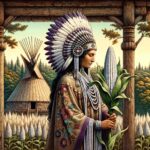
In Iroquois mythology, the figure of Onatah holds a significant place as the spirit of agriculture and the protector of crops. She is often associated with the fertility of the earth and is revered for her role in ensuring bountiful harvests. Onatah is considered a benevolent deity, embodying the nurturing aspects of nature. Her importance is particularly emphasized during planting and harvest seasons, when the Iroquois people engage in rituals to honor her and seek her blessings. The stories surrounding Onatah are rich with cultural significance, reflecting the deep connection between the Iroquois people and their land.
The Role of Onatah in Iroquois Culture
Onatah is not just a deity; she represents the very essence of life and sustenance for the Iroquois people. As the spirit of agriculture, she is intricately linked to the growth of crops such as corn, beans, and squash, which are collectively known as the “Three Sisters.” These crops are fundamental to Iroquois agriculture and diet, symbolizing the interdependence of various elements in nature. The Iroquois celebrate Onatah through various ceremonies, particularly during the planting season when they express gratitude for her gifts. This relationship highlights the reciprocal bond between humans and nature, emphasizing respect and appreciation for the land.
 Hinu
HinuIn Iroquois tradition, Onatah is often depicted as a nurturing figure, embodying qualities such as compassion and protection. She is seen as a motherly figure who cares for the crops and ensures their growth. This maternal aspect is reflected in the way Iroquois people approach agriculture, treating the earth with care and reverence. By honoring Onatah, they acknowledge her role in their survival and well-being. This reverence extends beyond agriculture, influencing their overall relationship with nature and their understanding of the cycles of life.
Legends and Stories of Onatah
The legends surrounding Onatah are rich and varied, often passed down through generations. One common story tells of how she descended from the sky to teach the Iroquois people the art of farming. In this tale, Onatah brings with her seeds and the knowledge of how to cultivate the land. She shows the people the importance of planting at the right time and caring for their crops. This narrative not only emphasizes her role as a teacher but also highlights the importance of knowledge in agriculture. The Iroquois believe that by following Onatah’s teachings, they can achieve a successful harvest.
Another popular story involves a time of drought when the crops were failing, and the people were struggling to survive. In their desperation, they called upon Onatah for help. Moved by their plight, she appeared in a vision, instructing them to perform a specific ritual to appease the spirits of the land. After following her guidance, rain fell, and the crops flourished once again. This story underscores the belief in the power of rituals and the necessity of maintaining a good relationship with nature. It also reflects the interconnectedness of all living things and the importance of harmony within the environment.
 Hahgwehdaetgah
Onatah and the Changing Seasons
Onatah’s influence is particularly evident in the changing seasons, which play a crucial role in agricultural practices. The Iroquois calendar is closely tied to the cycles of nature, and Onatah is honored during specific times of the year. In spring, as the earth begins to awaken, rituals are performed to celebrate her and seek her blessings for the planting season. These ceremonies often involve offerings of food and prayers, expressing gratitude for her guidance and support. This seasonal cycle reflects the Iroquois understanding of the natural rhythms of life and the importance of aligning their activities with these cycles.
As summer approaches, the focus shifts to the growth of the crops. The Iroquois hold festivals to celebrate the abundance of nature and the contributions of Onatah. These gatherings are marked by communal feasting, dancing, and storytelling, reinforcing the bonds within the community. During this time, the Iroquois express their appreciation for the gifts of the earth and the nurturing spirit of Onatah. The vibrant celebrations serve as a reminder of the importance of community and the shared responsibility of caring for the land.
Rituals and Offerings to Onatah
 Gunnodoyak
Rituals play a significant role in honoring Onatah and ensuring her continued support for the Iroquois people. These rituals often involve offerings of food, particularly corn, which is considered sacred. The Iroquois believe that presenting these offerings to Onatah is a way to express gratitude and to strengthen their connection with her. The act of giving is seen as a vital part of maintaining balance within the natural world. The rituals vary from family to family, but the underlying message remains the same: a deep respect for Onatah and the gifts she provides.
- Offering of corn and other crops
- Prayer and meditation during planting season
- Community gatherings to celebrate the harvest
In addition to food offerings, the Iroquois also engage in ceremonial dances and songs dedicated to Onatah. These performances serve as a form of communication with the spirit world, allowing the people to express their hopes and desires. Through these rituals, they reinforce their cultural identity and pass down traditions to future generations. The significance of these practices lies in their ability to foster a sense of belonging and continuity within the community, as well as their deep connection to the land.
The Symbolism of Onatah
Onatah is rich in symbolism, representing not only agriculture but also the broader concepts of fertility and nurturing. Her association with the earth and its bounty makes her a powerful figure in the Iroquois worldview. She embodies the cycle of life, death, and rebirth, reflecting the natural processes that govern the world. This cyclical understanding is fundamental to Iroquois spirituality, emphasizing the importance of living in harmony with nature. Onatah serves as a reminder of the interconnectedness of all living beings and the need for stewardship of the earth.
Furthermore, Onatah’s symbolism extends to the concept of community. As the spirit of agriculture, she represents the sustenance that binds the Iroquois people together. The act of farming is not just an individual endeavor but a communal effort that requires cooperation and shared knowledge. By honoring Onatah, the Iroquois reinforce their commitment to one another and to the land they inhabit. This communal aspect of agriculture highlights the significance of collaboration and mutual support in achieving common goals.
Onatah in Contemporary Iroquois Life
In modern times, the legacy of Onatah continues to influence the Iroquois people. Many contemporary Iroquois still practice traditional agricultural methods and celebrate the seasonal cycles that have been passed down through generations. The rituals and ceremonies dedicated to Onatah are often integrated into community events, reinforcing cultural identity and continuity. This connection to Onatah is not only about agriculture but also about preserving the Iroquois way of life and honoring the teachings of their ancestors.
Additionally, the themes associated with Onatah, such as environmental stewardship and respect for nature, resonate strongly in today’s world. As environmental issues become increasingly pressing, the Iroquois perspective on the relationship between humans and the earth offers valuable insights. The teachings of Onatah encourage a sustainable approach to living, emphasizing the need to care for the land and its resources. This perspective is particularly relevant as communities around the world grapple with the challenges of climate change and environmental degradation.
Educational Efforts and Preservation of Onatah’s Legacy
Efforts to preserve the legacy of Onatah and Iroquois culture are ongoing. Many Iroquois communities engage in educational initiatives aimed at teaching younger generations about their heritage, including the significance of Onatah. These programs often include traditional storytelling, agricultural practices, and cultural ceremonies, ensuring that the teachings and values associated with Onatah are not lost. By instilling a sense of pride and responsibility in the youth, these initiatives help to maintain the connection to their ancestors and the land.
Moreover, collaborations with environmental organizations and educational institutions have emerged to promote the importance of traditional ecological knowledge. These partnerships aim to integrate Iroquois perspectives into broader discussions about sustainability and environmental conservation. By sharing their understanding of the land and its cycles, the Iroquois people contribute valuable insights that can inform contemporary practices. The legacy of Onatah serves as a guiding principle in these efforts, emphasizing the need for a respectful and reciprocal relationship with nature.
The Spiritual Significance of Onatah
The spiritual significance of Onatah transcends agriculture and encompasses broader themes of life and existence. She is often viewed as a mediator between the Iroquois people and the spiritual realm, representing the connection between the physical world and the divine. Through her, the Iroquois find a sense of purpose and understanding of their place in the universe. This spiritual connection is reflected in their daily lives, influencing their values, relationships, and interactions with nature.
Onatah’s role as a nurturing spirit also highlights the importance of compassion and care within the community. Her teachings encourage the Iroquois to support one another and to foster a sense of belonging. This emphasis on communal well-being is deeply embedded in Iroquois culture, shaping their social structures and interactions. By embodying the qualities of Onatah, the Iroquois people strive to create a harmonious society that reflects the values of love, respect, and cooperation.
Through the figure of Onatah, the Iroquois people convey profound messages about the interconnectedness of life, the importance of agriculture, and the need for respect and gratitude towards nature. Her stories, rituals, and teachings continue to inspire and guide the Iroquois community, reinforcing their cultural identity and values. In a world that often overlooks the wisdom of indigenous traditions, Onatah serves as a powerful reminder of the enduring connection between humanity and the earth.