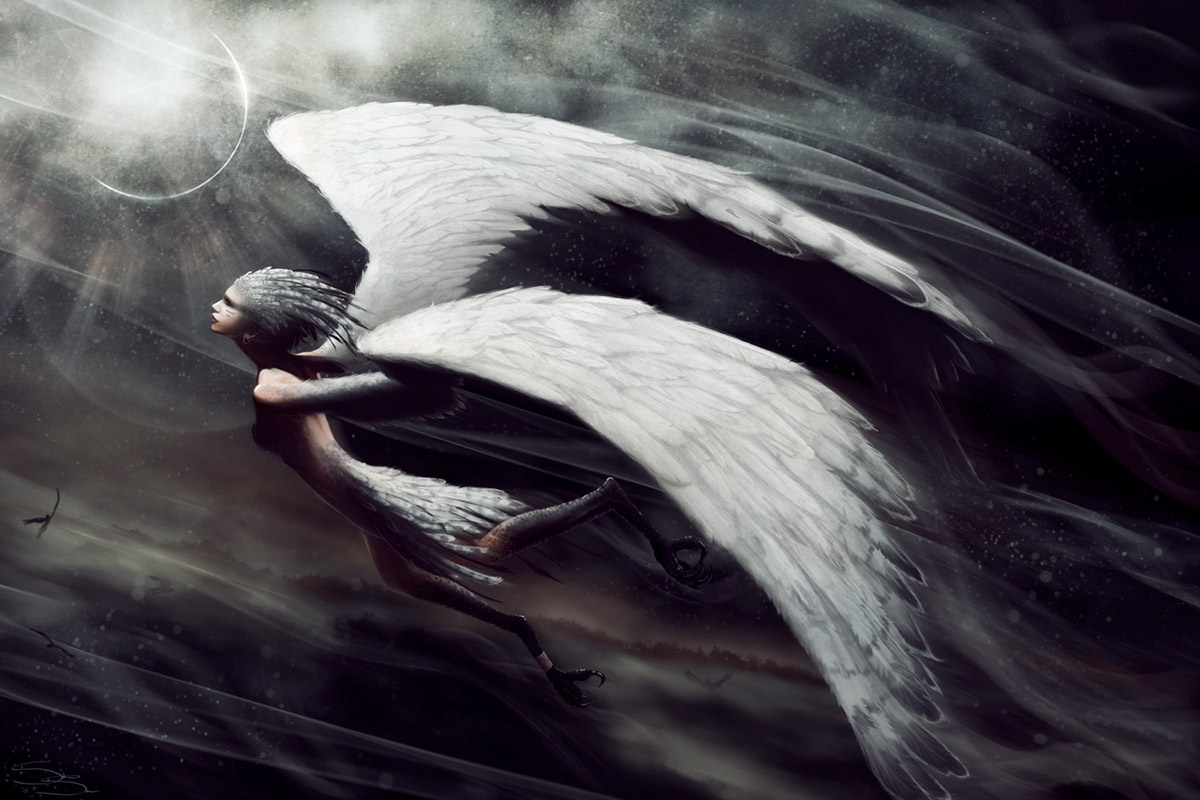
In the vast world of Greek mythology, there are numerous deities, heroes, and mythical creatures that have captivated the imagination of people for centuries. One such figure is Ocypete, a lesser-known character who plays a significant role in various myths. Ocypete is often depicted as a swift and agile creature, embodying the qualities of speed and grace. Her story intertwines with themes of vengeance, loyalty, and the complex relationships among gods and mortals. Understanding Ocypete requires a closer look at her origins, attributes, and the myths that feature her.
Origins of Ocypete
 Odysseus
The name Ocypete translates to “swift-flyer,” reflecting her nature as a harpy. In Greek mythology, harpies are winged spirits known for their speed and their ability to snatch away anything that is not secured. Ocypete is often mentioned alongside her sister, Aello, as one of the fierce harpies that serve as agents of punishment. They are typically depicted as having the bodies of birds and the faces of women, symbolizing their dual nature. This duality represents both beauty and ferocity, making them compelling figures in the mythological landscape.
Ocypete’s origins can be traced back to the Primordial Deities of Greek mythology. Some sources suggest that harpies are the offspring of Thaumas and Electra, both of whom are significant figures in their own right. Thaumas is known for his beauty and is often associated with the wonders of the sea, while Electra is one of the Oceanids, daughters of the Titans Oceanus and Tethys. The lineage of Ocypete and her sisters places them in a realm where divine influence and earthly matters intersect.
Characteristics of Ocypete
As a harpy, Ocypete is characterized by her incredible speed and agility. She is often portrayed with large wings that allow her to soar through the skies effortlessly. This ability to fly at great speeds is not just a physical trait but also a metaphor for her swift actions and decisions. In many myths, Ocypete is depicted as being fierce and relentless, embodying the wrath of the gods when they seek to punish mortals. Her character serves as a reminder of the capricious nature of divine beings and their willingness to intervene in human affairs.
 Oeagrus
Another notable characteristic of Ocypete is her role as a harbinger of chaos. When she appears in a myth, it often signifies a turning point or a moment of crisis. This connection to chaos can be seen in stories where she and her sisters disrupt the lives of heroes or punish those who have offended the gods. Her swift actions often leave mortals in a state of confusion and fear, showcasing the power that the gods hold over human destinies.
Legends Featuring Ocypete
One of the most prominent myths featuring Ocypete is the tale of the Argonauts. In this story, the Argonauts, led by Jason, embark on a quest to retrieve the Golden Fleece. During their journey, they encounter the harpies, who torment the blind seer Phineas. The harpies steal his food and leave him to suffer in hunger. Ocypete and her sister Aello are relentless in their pursuit of Phineas, showcasing their swift nature. However, the Argonauts, guided by the heroism of their leader, confront the harpies and eventually drive them away.
This encounter highlights Ocypete’s role as a punisher of those who disrespect the divine order. The harpies are not merely chaotic forces; they serve a purpose in the mythological narrative. Their actions prompt the heroes to rise to the occasion, demonstrating bravery and strength. In this way, Ocypete becomes a catalyst for growth and transformation among the characters in the story.
 Oenomaus
Symbolism of Ocypete
Ocypete embodies various symbolic meanings within Greek mythology. One of the most prominent symbols associated with her is speed. Her name itself signifies swiftness, which reflects the idea that speed can be both a gift and a curse. In many myths, characters who encounter Ocypete must navigate the challenges posed by her rapid actions. This duality represents the idea that speed can lead to both success and downfall, depending on how it is harnessed.
Another important symbol related to Ocypete is vengeance. As a harpy, she often acts on behalf of the gods to punish mortals who have committed wrongdoings. This aspect of her character reinforces the notion that the gods are not only powerful but also possess a sense of justice that must be upheld. The swift retribution delivered by Ocypete serves as a reminder of the consequences of one’s actions, emphasizing the moral lessons embedded in Greek mythology.
Ocypete in Art and Literature
Throughout history, Ocypete has been depicted in various forms of art and literature. In ancient Greek pottery, she is often portrayed alongside her sister Aello, showcasing their fierce nature and role as harbingers of chaos. These artistic representations highlight the duality of their characters, balancing beauty with ferocity. The imagery of harpies serves to remind viewers of the unpredictable nature of the divine and the potential for chaos in the world.
In literature, Ocypete has appeared in several adaptations of the Argonauts myth. Writers have explored her character, delving into her motivations and the implications of her swift actions. These narratives often highlight the complexity of her role, depicting her as both a villain and a necessary force in the stories of heroes. The portrayal of Ocypete in literature serves to keep her legacy alive, allowing modern audiences to engage with her character and the themes she represents.
Comparisons with Other Mythological Figures
When examining Ocypete, it is interesting to compare her with other mythological figures who share similar attributes. One such figure is Medusa, a character known for her terrifying appearance and the power to turn people to stone. While both Ocypete and Medusa evoke fear, their roles in mythology differ significantly. Medusa’s story is one of transformation and tragedy, whereas Ocypete’s character is more aligned with the idea of punishment and chaos.
Another figure to consider is Charybdis, a sea monster known for creating whirlpools that can swallow ships whole. Like Ocypete, Charybdis represents a force of nature that is both powerful and unpredictable. Both characters serve as obstacles for heroes, forcing them to confront their fears and navigate treacherous situations. However, while Charybdis is a singular entity, Ocypete operates within a group of harpies, emphasizing the theme of collective chaos.
Modern Interpretations of Ocypete
In contemporary culture, Ocypete has found her way into various forms of media, including films, books, and video games. Her character often embodies the archetype of the fierce female figure who challenges the status quo. Modern interpretations frequently explore her motivations and provide depth to her character, allowing audiences to empathize with her actions. This shift in perspective reflects a broader trend in storytelling, where traditionally villainous characters are given more nuanced portrayals.
In some adaptations, Ocypete is reimagined as a symbol of empowerment, representing the strength and resilience of women. This reinterpretation aligns with contemporary values, highlighting the importance of female voices in mythology and storytelling. As audiences seek to understand the complexities of characters like Ocypete, her legacy continues to evolve, proving that even lesser-known figures in mythology can have a significant impact on modern narratives.
The Legacy of Ocypete
Ocypete’s legacy in Greek mythology is one of complexity and duality. As a harpy, she embodies the chaotic forces of nature and the consequences of divine retribution. Her swift actions and fierce demeanor serve as a reminder of the power that the gods hold over mortals. Despite being a lesser-known figure, Ocypete plays a crucial role in the myths that explore themes of justice, vengeance, and the unpredictable nature of fate.
The stories surrounding Ocypete continue to resonate with audiences today, reflecting timeless themes that are relevant in modern society. Her character serves as a reminder of the intricate relationships between gods and mortals, as well as the moral lessons embedded in mythology. As we explore the tales of Ocypete, we gain insight into the complexities of human nature and the consequences of our actions.
In the realm of Greek mythology, Ocypete stands out as a fascinating character who embodies the themes of speed, chaos, and divine retribution. Her role as a harpy highlights the complexities of mythological narratives, where characters often serve multiple purposes. Through her swift actions and fierce demeanor, Ocypete reminds us of the power dynamics at play in the world of the gods and the moral lessons that emerge from these stories. As we continue to explore the legacy of Ocypete, we uncover the richness of Greek mythology and its enduring impact on our understanding of human nature.