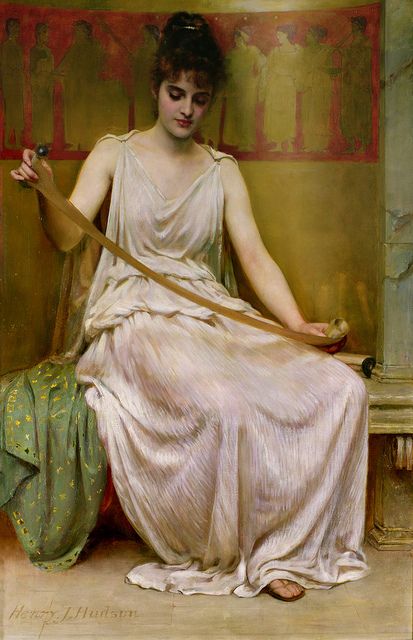
In the vast realm of Greek mythology, the name Neaera holds a unique place. Neaera is often associated with themes of love, beauty, and the complexities of human emotions. She is a figure that embodies both the joys and the struggles of relationships, making her a significant character in various myths. Her story intertwines with other notable figures in mythology, showcasing the rich tapestry of narratives that ancient Greeks used to explain their world.
Neaera’s Origins
Neaera is often depicted as a beautiful woman, a typical representation of the ideal in ancient Greek culture. Her name itself means “young woman” or “fresh,” which hints at her youthful beauty and vitality. In many stories, she is portrayed as a mortal, but some myths suggest she could also be of divine origin, further enhancing her allure. Her lineage is sometimes debated among scholars, but it is widely accepted that she belonged to a wealthy family, which placed her in the spotlight of Athenian society.
 Nemean-lion
The origins of Neaera can be traced back to various ancient texts. One of the most notable references comes from the works of Plato and Aristotle, who discussed her in relation to the social dynamics of the time. These discussions often highlighted her beauty and the implications it had on her life choices and the lives of those around her. In the context of Greek mythology, her story is not just about personal beauty but also about the societal expectations placed upon women.
Neaera in Literature
Neaera appears in several ancient texts, but one of the most significant sources is the Attic Orators. In these writings, she is often mentioned in the context of her relationships, particularly with Demosthenes. This connection provides insight into her life and the challenges she faced. The orators used her story to illustrate broader themes of love, betrayal, and the complexities of human relationships, making her a relatable figure for their audience.
 Nemesis
Moreover, Neaera’s story has been interpreted through various lenses, including feminist perspectives. Scholars have examined her role as a woman in a patriarchal society, where her beauty often dictated her fate. This examination reveals the struggles that women like Neaera faced, navigating a world where their worth was frequently tied to their appearance and marital status. Her narrative serves as a reminder of the limitations imposed on women in ancient Greece.
The Myth of Neaera
The myth of Neaera is not just a simple tale of love; it encompasses themes of desire, jealousy, and the quest for identity. According to the myth, Neaera was courted by several suitors, each vying for her affection. This competition for her love created a backdrop of tension and intrigue, reflecting the societal norms of the time. The suitors’ attempts to win her over often led to conflict, illustrating the destructive nature of desire when it is not tempered by wisdom.
One of the most compelling aspects of Neaera’s myth is her relationship with Callias, a wealthy Athenian. Their love story is fraught with complications, as Callias’ status and wealth play a significant role in their union. Neaera’s struggle between her feelings for Callias and the expectations of her society highlights the difficulties faced by women who sought autonomy in their romantic choices. This tension is a central theme in many Greek myths, where personal desires often clash with societal norms.
 Nephelai
Neaera and the Concept of Love
In Greek mythology, love is often depicted as a powerful force that can lead to both joy and despair. Neaera’s story exemplifies this duality. Her beauty attracts many suitors, but it also subjects her to scrutiny and judgment. The pressures of love and the expectations surrounding it can be overwhelming, leading to feelings of isolation and anxiety. Neaera’s experiences reflect the broader human condition, where love can be both a source of happiness and a cause of suffering.
Furthermore, Neaera’s relationships highlight the theme of unrequited love, a common motif in Greek mythology. Many of her suitors are depicted as deeply infatuated with her, yet their feelings are not always reciprocated. This aspect of her story resonates with many, as it captures the pain and longing that often accompany love. Neaera becomes a symbol of the complexities of romantic relationships, where not all love stories end in happiness.
Neaera in Art and Culture
The figure of Neaera has inspired various forms of art and culture throughout history. Artists and writers have drawn upon her story to explore themes of beauty, love, and the human experience. In ancient times, she was often depicted in pottery and sculptures, showcasing her beauty and grace. These artistic representations served not only as a tribute to her character but also as a reflection of the values and ideals of Greek society.
In modern times, Neaera’s influence can be seen in literature and film. Her story has been reinterpreted in various ways, often focusing on the struggles of women in patriarchal societies. This contemporary lens allows for a deeper understanding of her character and the challenges she faced. By exploring her narrative, modern creators can address issues of gender, identity, and the quest for autonomy in a way that resonates with today’s audiences.
Lessons from Neaera’s Story
Neaera’s tale offers several lessons that are still relevant today. One of the most significant is the importance of self-identity. Throughout her story, Neaera grapples with her sense of self in relation to the expectations placed upon her by society. This struggle is a common experience for many individuals, particularly women, who often feel pressured to conform to societal norms. Neaera’s journey encourages us to embrace our identities and seek fulfillment beyond societal expectations.
Additionally, her story highlights the complexities of love and relationships. Neaera’s experiences remind us that love is not always straightforward; it can be messy and complicated. The emotions tied to love, such as jealousy and desire, can lead to difficult situations. Understanding these complexities can help us navigate our own relationships with greater empathy and awareness. Neaera’s narrative serves as a reminder to approach love with both passion and caution.
Neaera’s Legacy
The legacy of Neaera extends beyond her immediate story. She represents the archetype of the beautiful woman caught in the web of societal expectations and personal desires. Her narrative has paved the way for discussions about the role of women in society and the challenges they face. By examining her life, we can gain insight into the historical context of gender dynamics and the ongoing struggle for autonomy and self-expression.
Moreover, Neaera’s story has inspired countless interpretations and adaptations in literature and art. Her character continues to resonate with audiences, serving as a symbol of resilience and complexity. As society evolves, so too does the understanding of figures like Neaera, allowing her legacy to endure through the ages. The exploration of her story encourages us to reflect on our values and the narratives we choose to embrace.
Neaera’s story, rich with themes of love, beauty, and societal expectations, remains a poignant reminder of the complexities of the human experience. Her narrative continues to inspire and provoke thought, making her a timeless figure in the tapestry of Greek mythology. As we delve into her life and the lessons it offers, we can appreciate the enduring relevance of her character in our modern world.