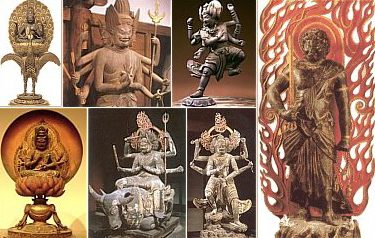
Myo’o is a significant figure in Buddhist mythology, often associated with the concept of the guardian or protector of sacred teachings and practices. In various traditions of Buddhism, Myo’o represents a complex and multifaceted aspect of spiritual guardianship, often depicted in a way that embodies both fierce protection and compassionate guidance. This article explores the different aspects of Myo’o, its origins, symbolism, and the role it plays in the broader context of Buddhist beliefs and practices.
Origins of Myo’o
The origins of Myo’o can be traced back to ancient Buddhist texts and practices that emerged in India and later spread to other regions, including China and Japan. In these early texts, Myo’o is often depicted as a powerful figure who serves as a protector of the Dharma, the teachings of the Buddha. This role is crucial, as the Dharma is considered the path to enlightenment, and its preservation is essential for the spiritual development of practitioners.
 Mulian
In the context of Buddhist mythology, Myo’o is sometimes associated with the Vajrayana tradition, where the figure is depicted as a fierce guardian who combats ignorance and negativity. This aspect of Myo’o highlights the dual nature of its character, as it can embody both wrathful and compassionate qualities. Such representations serve to remind practitioners of the importance of overcoming obstacles on their spiritual path.
Symbolism of Myo’o
Myo’o is rich in symbolism, which can vary depending on the cultural context in which it is represented. One of the most common symbols associated with Myo’o is the sword, which represents the cutting through of ignorance and illusion. This sword is not just a weapon; it symbolizes the clarity of understanding that comes with deep spiritual insight. The act of cutting through delusion is essential for achieving enlightenment.
Another important symbol related to Myo’o is the flame, often depicted surrounding the figure. This flame represents the transformative power of wisdom, burning away negativity and attachments that hinder spiritual progress. The presence of flames signifies purification, indicating that through the fierce protection of Myo’o, practitioners can attain a higher state of consciousness.
 Mucalinda
Myo’o in Different Traditions
Myo’o appears in various forms across different Buddhist traditions, each with its own unique interpretation and significance. In Japanese Buddhism, for example, Myo’o is often linked to the Shingon school, where it is known as Myō-ō. In this context, Myo’o is revered as a powerful protector who helps practitioners navigate the challenges of the spiritual path. The Shingon tradition emphasizes the importance of rituals and mantras, which are believed to invoke the protective qualities of Myo’o.
In Tibetan Buddhism, Myo’o is similarly viewed as a fierce protector, often depicted alongside other deities in the pantheon of Dharma protectors. Here, Myo’o is seen as a figure that not only guards the teachings but also helps to dispel negative forces that may obstruct a practitioner’s progress. This aligns with the overall Tibetan view of the spiritual journey, where the interplay of light and darkness is a constant theme.
The Role of Myo’o in Practice
The presence of Myo’o in Buddhist practice serves as a reminder of the challenges that practitioners face on their spiritual journey. Engaging with the figure of Myo’o can take many forms, including meditation, chanting, and ritual offerings. These practices are designed to invoke the protective qualities of Myo’o, providing practitioners with the strength and courage needed to overcome obstacles.
 Monju Bosatsu
In many temples, images or statues of Myo’o are placed prominently, serving as focal points for devotion and meditation. Practitioners may recite mantras associated with Myo’o, seeking its guidance and protection in their daily lives. This interaction fosters a sense of connection between the practitioner and the divine, reinforcing the idea that spiritual growth requires both internal reflection and external support.
Practices Involving Myo’o
- Meditation: Practitioners often meditate on the qualities of Myo’o, visualizing its fierce yet compassionate nature to inspire courage in facing personal challenges.
- Chanting: Reciting specific mantras related to Myo’o is a common practice, believed to invoke its protective energy and clear obstacles from one’s path.
- Ritual Offerings: Offering food, flowers, or incense to Myo’o is a way to express gratitude and seek blessings for protection and guidance.
Myo’o in Art and Iconography
The depiction of Myo’o in art and iconography is a vital aspect of its presence in Buddhist culture. Myo’o is often portrayed in a dynamic and vibrant manner, with fierce facial expressions and a commanding posture. This representation emphasizes its role as a protector, instilling a sense of awe and respect in those who encounter it. Artists use bold colors and intricate details to capture the essence of Myo’o’s power and compassion.
In many cases, Myo’o is shown surrounded by flames, symbolizing the transformative power of wisdom. The imagery often includes various attributes such as a sword and vajra, reinforcing the idea of Myo’o as a formidable force against ignorance. These artistic representations serve not only as decorative elements but also as visual aids for meditation and contemplation, allowing practitioners to connect more deeply with the qualities of Myo’o.
The Cultural Impact of Myo’o
The influence of Myo’o extends beyond religious practices into cultural expressions, such as literature, festivals, and community rituals. In Japan, for example, festivals dedicated to Myo’o are held, where practitioners come together to celebrate and invoke the protective qualities of this figure. These events often include traditional music, dance, and offerings, creating a vibrant atmosphere of devotion and communal support.
In literature, stories and parables featuring Myo’o are used to illustrate moral lessons and the importance of perseverance in the face of adversity. These narratives serve as teaching tools, helping individuals understand the significance of Myo’o in their spiritual journeys. The cultural impact of Myo’o is evident in various forms, reflecting its enduring relevance in the lives of practitioners.
Myo’o and the Modern Practitioner
For modern practitioners of Buddhism, the figure of Myo’o continues to hold significant relevance. In a world filled with distractions and challenges, the protective qualities of Myo’o offer a source of inspiration and strength. Many individuals find comfort in the idea that they are not alone in their struggles, and that divine protection is available to support them on their journey.
Additionally, the teachings associated with Myo’o encourage practitioners to confront their fears and limitations. The fierce aspect of Myo’o serves as a reminder that growth often requires facing discomfort and overcoming obstacles. By embracing the qualities of Myo’o, modern practitioners can cultivate resilience and determination in their spiritual pursuits.
Myo’o is a vital figure in Buddhist mythology, representing the dual aspects of protection and compassion. Its origins, symbolism, and role in various traditions highlight the importance of this figure in the spiritual journey of practitioners. Through meditation, rituals, and cultural expressions, Myo’o continues to inspire and guide individuals on their path to enlightenment.