WORLD
WORLD
Muramura
Muramura, also written Mura-mura or with other variations in English-language records, is a collective name associated chiefly with the traditional ancestral beings of the Diyari (Dieri) people of South Australia. Their country lies around Kati Thanda–Lake Eyre, Cooper Creek and the surrounding inland regions. Muramura are not best understood as a single monster, god or humanoid spirit. In accounts of Diyari religious tradition, the name refers to ancestral figures whose actions shaped the land, established patterns of life and connected people with particular places.
Knowledge of the Muramura belongs within the wider cultural system often described in English as the Dreaming or Dreamtime. That English label is useful in some contexts but can also be misleading, because it may suggest a distant period that has ended. For Aboriginal custodians, ancestral law and presence are commonly understood as continuing in the landscape, in ceremony, in relationships and in obligations to country. The Muramura therefore belong not only to stories about the remote past. They are part of a living framework of identity, law and religious knowledge.
Origins and cultural setting
The Diyari are an Aboriginal people of central South Australia whose traditional country includes environments surrounding the inland waterways and salt lakes of the Lake Eyre Basin. These landscapes are highly variable: watercourses may flood, dry plains may become productive after rain, and important places are often connected by long travel routes. In such a setting, ancestral narratives can preserve knowledge about landforms, water, animal life, social relationships and appropriate conduct.
Accounts of the Muramura were recorded by European missionaries, anthropologists and other observers during the nineteenth and early twentieth centuries. Such records are valuable but incomplete. They were usually written through translators, often without the full ceremonial and linguistic context known to Aboriginal custodians. Some information was also restricted according to age, gender, initiation status or other cultural rules. Published descriptions should therefore not be treated as a complete account of Diyari religion.
It is also important not to speak of “Australian Aboriginal mythology” as though it were one uniform tradition. Aboriginal Australia contains many distinct peoples, languages and religious systems. An ancestral being from Diyari tradition should not automatically be assigned to neighbouring cultures, even when similar themes appear elsewhere. The Muramura are best discussed in relation to Diyari country and tradition.
Name and identity
The form Muramura reflects the way the name is often presented in modern English, while Mura-mura is a common older spelling. Transcription practices varied considerably because early writers attempted to represent sounds from Aboriginal languages using European spelling systems. The exact form may therefore differ between records and later publications.
The English word “ancestor” is only an approximation. Muramura are sometimes described as ancestral spirits, culture heroes, or supernatural beings, but none of these terms fully captures their status. They are not simply deceased human relatives, nor are they equivalent to gods in the strict sense used in some other religious traditions. Their significance comes from their relationship to the creation and ordering of country, to living communities and to the laws that regulate human behaviour.
Nor should Muramura be reduced to a single individual called “Muramura.” The name is generally used collectively. Different ancestral beings may have distinct identities, journeys, actions and associations. English summaries can obscure this plurality by presenting the name as if it referred to one creator deity.
What the Muramura do
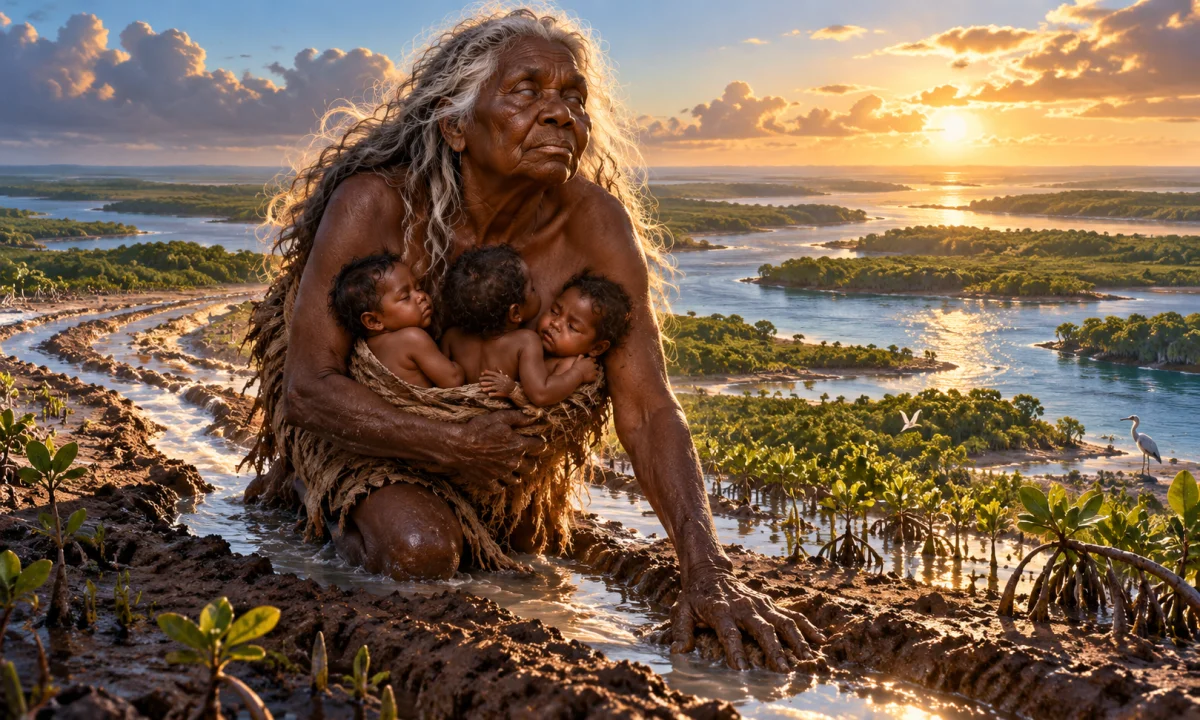
In traditions concerning the Muramura, the ancestral beings move through a world that is not yet arranged in its present form. Their journeys and encounters account for features of the country and for relationships among people, animals, plants and places. The landscape is not merely a backdrop to these narratives. Hills, waterholes, plains, channels and other features may be understood as evidence of ancestral activity and as places with religious significance.
Muramura narratives can explain the origin or proper arrangement of elements such as:
- particular landforms and water sources;
- the distribution and behaviour of animals and plants;
- routes through country and the significance of important sites;
- rules governing marriage, kinship, ceremony and social conduct;
- relationships between human communities and the non-human world.
These roles are closely connected. A story about the creation of a place may also explain who has authority there, which people are responsible for it, what ceremonial knowledge is attached to it, or how travellers should behave. The stories are therefore not only explanations of physical origins. They can function as maps, legal traditions, moral teachings and records of ancestral responsibility.
Appearance and powers
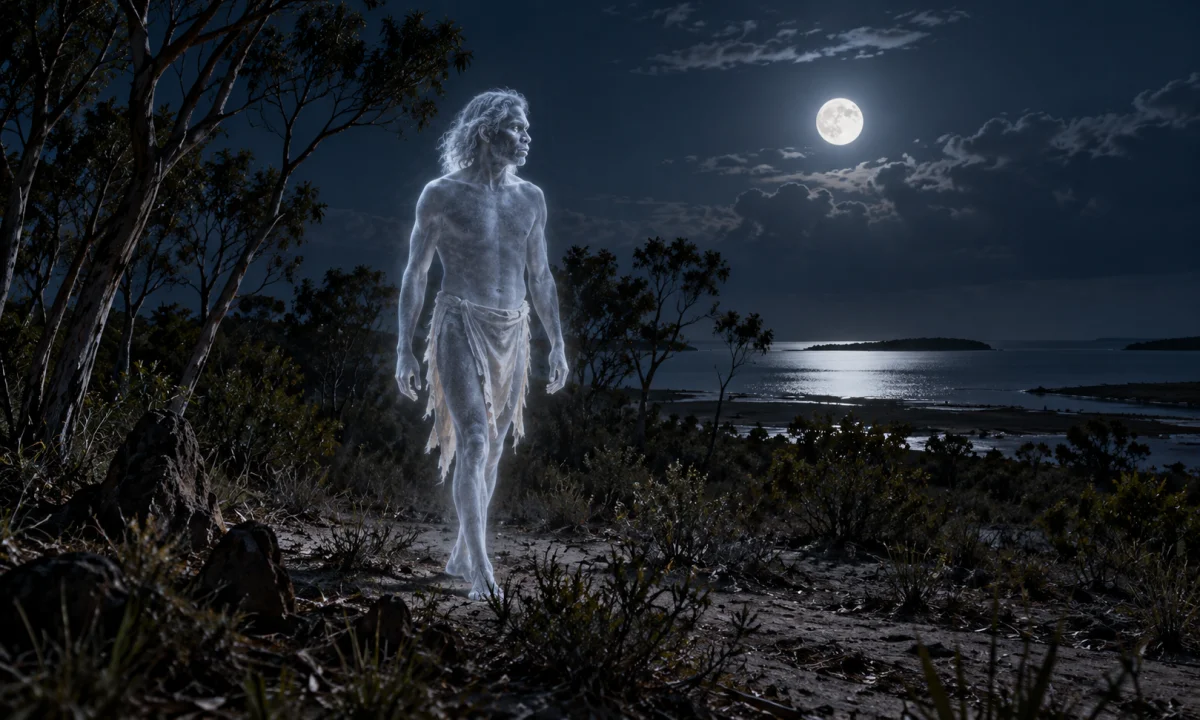
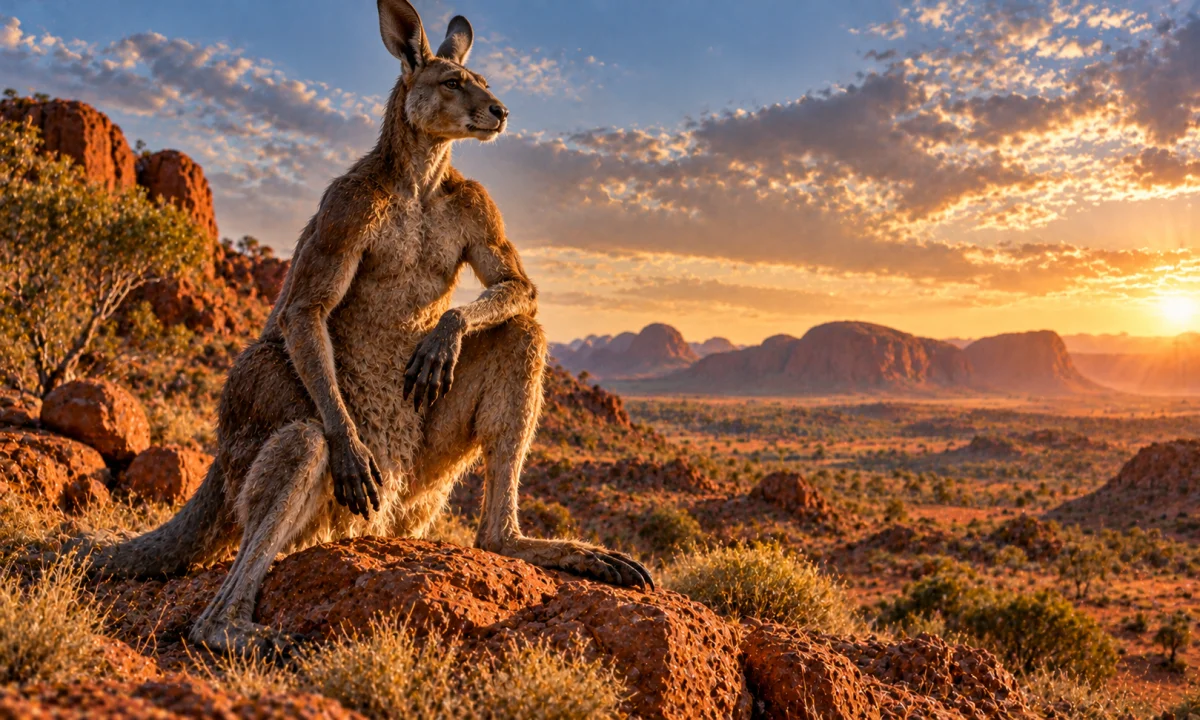
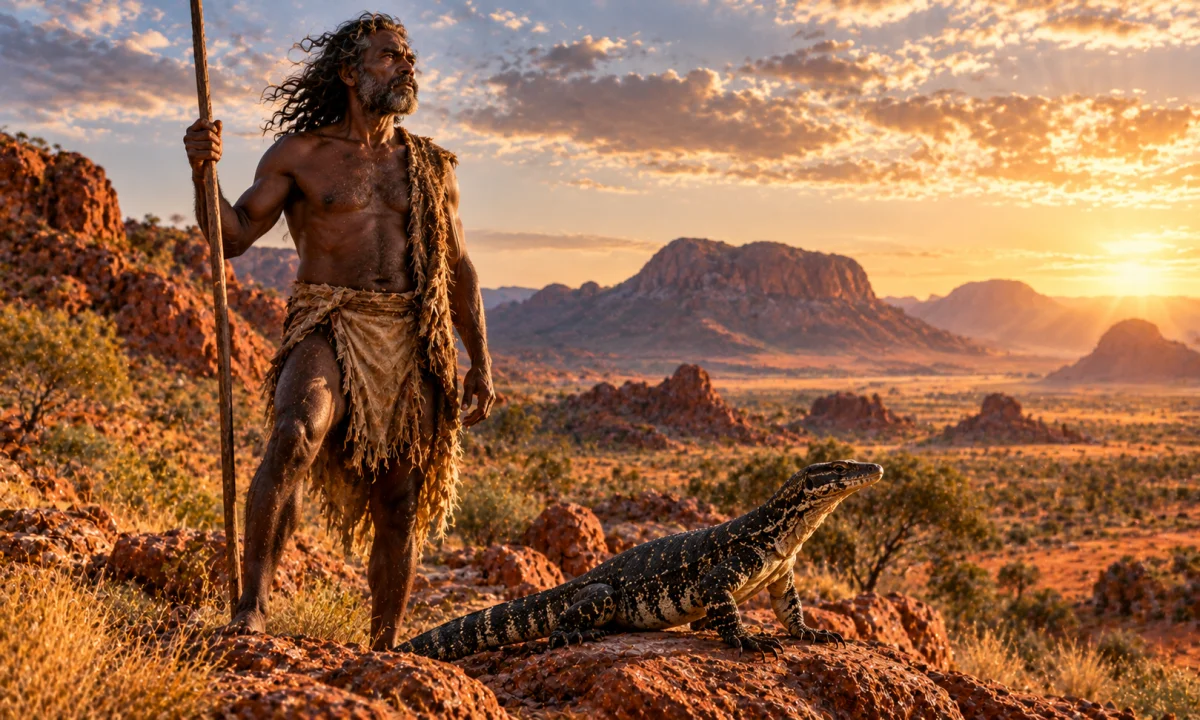
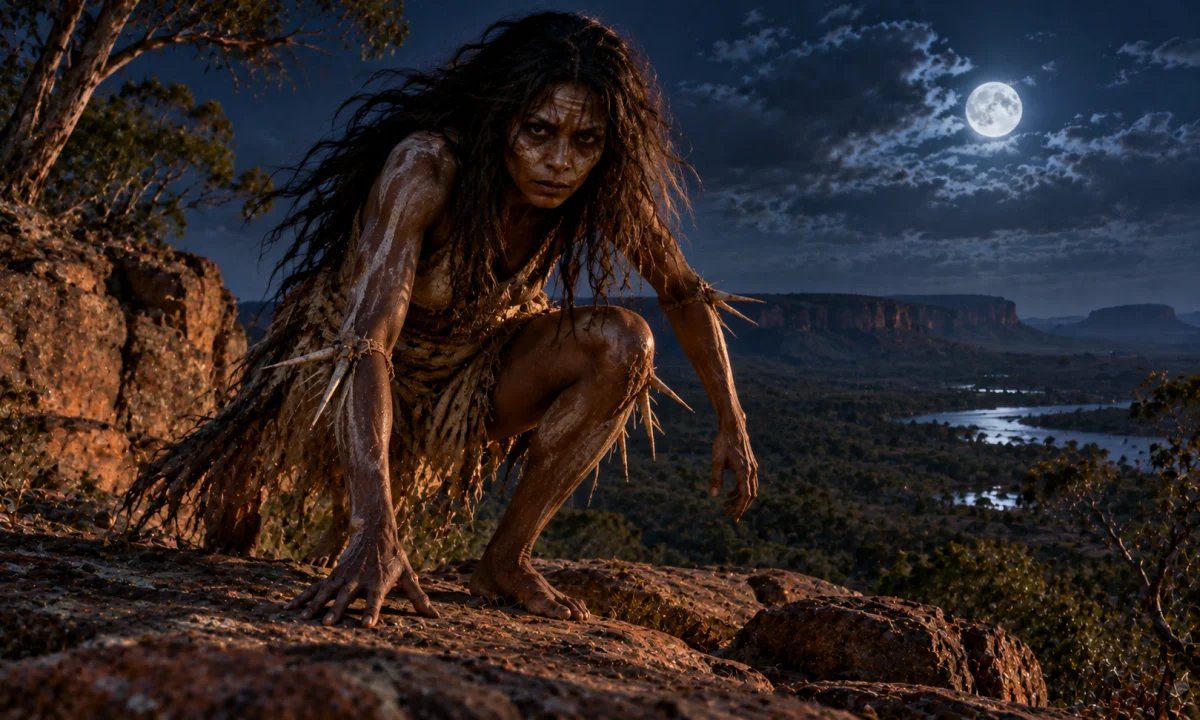
There is no single standard appearance for the Muramura. Accounts may represent ancestral beings in human form, but their identity is not limited to a human body. Like many ancestral figures in Aboriginal Australian traditions, they can be associated with animals, natural forces, places or transformations between different states of being. Their power is expressed through what they establish and reveal rather than through a fixed catalogue of magical abilities.
Common descriptions of ancestral beings as “immortal” or “supernatural” can also be too general. In some narratives, an ancestor may travel, suffer, die, change form or become part of the landscape. Such events do not necessarily mean that the being has ceased to exist. Presence may continue through a sacred site, a species, a ceremony or a body of knowledge. The relationship between ancestor, place and living people is more important than the categories of “alive” and “dead” used in ordinary English.
Some early accounts describe ancestral beings as responsible for introducing customs and ceremonies. This should not be interpreted as a simple mythological version of a lawgiver handing down a written code. Law is maintained through relationships, performance, teaching, ritual authority and obligations to country. The Muramura provide an ancestral foundation for these practices, while living custodians remain responsible for transmitting and observing them.
Stories and ancestral journeys
Muramura traditions are better understood as a network of connected narratives than as one universally fixed story. Different accounts may focus on particular ancestors, sites or episodes. A journey through country can link a series of places, explaining why each matters and how it relates to the next. A transformation may account for a rock, waterhole, animal species or other feature while also preserving knowledge about conduct and belonging.
Because many Aboriginal narratives are tied to specific places, a story cannot always be separated from the country in which it is told. The same narrative may carry layers of meaning that are not visible in a short written version. A public account may mention that an ancestor created a feature, while initiated or custodial knowledge includes additional details concerning ceremony, kinship and responsibility. Not every part of Muramura tradition was intended for unrestricted publication.
Early observers sometimes arranged Aboriginal traditions into categories such as creation myths, legends and fairy tales. These categories can distort the original context. A Muramura narrative may explain origins, but it may also be a statement of law or a record of a continuing sacred relationship. Calling it merely a “creation myth” risks making it sound like an imaginative story detached from everyday life.
Religious and cultural significance
The Muramura help express a view in which country is animated by history, agency and obligation. Land is not simply owned property or scenery. It is connected to ancestral action and to the responsibilities of people who belong to, care for or have authority in particular places. A person’s identity may be inseparable from ancestral sites, totemic relationships, language and kinship.
This connection also gives the narratives an ethical dimension. The ancestral beings establish patterns that human beings are expected to respect. Appropriate behaviour may involve caring for water, observing restrictions, maintaining relationships, participating in ceremony or showing regard for the rights of other groups. The stories thus connect spirituality with practical survival and social order.
The Muramura should not be described simply as “nature spirits.” That phrase can suggest minor beings who inhabit forests, rivers or rocks, whereas Muramura have a much broader ancestral and legal significance. Nor are they necessarily equivalent to a single creator god who makes the universe from outside it. Their actions are embedded in the country itself, and their continuing significance is expressed through places, communities and inherited law.
Variations and limits of the evidence
Spelling, translation and interpretation all create difficulties in discussing Muramura. “Dieri” is also commonly written Diyari, reflecting different conventions for representing the language and the people’s name. The forms Muramura and Mura-mura similarly reflect the history of English transcription. A difference in spelling does not necessarily indicate a different being, but names from neighbouring languages should not be combined without evidence.
Descriptions may also differ in whether they call Muramura gods, spirits, heroes, ancestors or creators. These differences often reveal the limitations of the translating language rather than a disagreement within Diyari tradition. The safest description is that Muramura are a collective category of powerful ancestral beings whose activities shaped country and established cultural order.
Information presented in older ethnographic records must be read cautiously. Researchers sometimes treated Aboriginal religious systems as relics of a vanished past, and their interpretations could impose European assumptions about religion, mythology and social development. Aboriginal communities have continued to maintain, renew and interpret their cultural knowledge despite the effects of colonisation, missionisation, displacement and restrictions on ceremony.
Distinguishing Muramura from similar names
Names resembling Muramura, Mura-mura or Murra-murra occur in discussions of different Aboriginal languages and traditions. Similar spelling alone does not establish a shared origin. Aboriginal languages are numerous and distinct, and a word recorded in one region may have a different meaning in another. Generalised lists of “Australian gods and spirits” sometimes merge names from unrelated cultures, creating identities that are not supported by the traditions themselves.
Muramura should also be distinguished from the many other ancestral beings associated with the Dreaming across Australia. The broad theme of ancestral creators is widespread, but each people’s traditions have their own names, languages, ceremonial structures and relationships to country. A resemblance in function does not make two figures the same.
Modern reception
Muramura appear occasionally in modern encyclopedic lists, mythology websites and general discussions of Aboriginal Australian religion. These treatments often shorten the name to a single “creator” or “spirit” and detach it from Diyari country. Such summaries may preserve a basic association with ancestral creation, but they can remove the cultural context that gives the term its meaning.
There is no strong basis for treating Muramura as a standard figure of modern global popular culture comparable to widely adapted gods or monsters. When the name appears in contemporary fantasy or commercial media, the result should be regarded as a modern invention or reinterpretation unless it is clearly presented as Diyari cultural material by authorised custodians. The traditional significance of Muramura lies in their continuing relationship with country, law and community, not in a fixed fictional character profile.