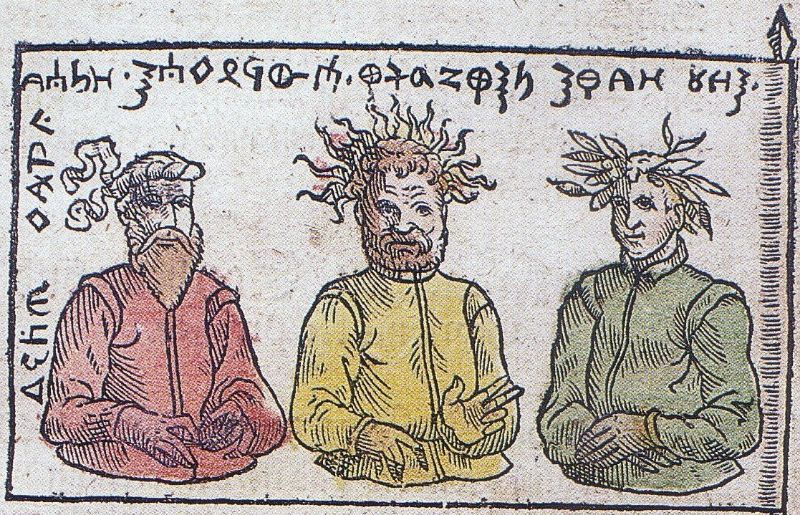
Menuo is a significant figure in Lithuanian mythology, embodying the essence of the moon. This ancient deity is often associated with various aspects of nature and life, reflecting the deep connection that the Lithuanian people have with their environment. In Lithuanian culture, the moon is not just a celestial body; it is a symbol of fertility, growth, and the passage of time. As such, Menuo holds a vital place in the pantheon of Lithuanian gods and goddesses, influencing agricultural practices, rituals, and cultural beliefs.
Menuo’s Characteristics
Menuo is depicted as a beautiful, radiant figure, often illustrated in a way that emphasizes the luminous qualities of the moon. He is seen as a gentle guide who watches over the night, providing light and comfort in darkness. The imagery surrounding Menuo often includes elements of nature, such as trees, rivers, and animals, which further emphasizes his role as a protector of the natural world. His presence is believed to bring tranquility and harmony to those who honor him, making him a beloved figure in Lithuanian folklore.
 Medziojna
In various tales, Menuo is described as a guardian of the night. His gentle glow is thought to nurture the earth, helping crops grow and ensuring a bountiful harvest. Many farmers would look to the moon’s phases as indicators of when to plant and harvest their crops, highlighting the practical importance of Menuo in agricultural life. The lunar cycles were believed to influence not just farming, but also the tides, weather patterns, and even human behavior.
Symbolism of Menuo
- Fertility: Menuo is often associated with fertility, symbolizing the growth of crops and the well-being of livestock.
- Time: The phases of the moon represent the passage of time, marking seasons and cycles in nature.
- Guidance: As a lunar deity, Menuo provides guidance during the night, helping travelers find their way.
- Protection: He is seen as a protector of those who venture out after dark, ensuring their safety.
The symbolism of Menuo extends beyond the physical realm. He represents the duality of nature—light and darkness, growth and decay, life and death. This duality is an essential part of Lithuanian spirituality, where balance and harmony are sought in all aspects of life. The presence of Menuo reminds people of the cyclical nature of existence, where everything is interconnected and constantly evolving.
 Medeina
Mythological Stories Involving Menuo
Many myths and legends feature Menuo, illustrating his importance in Lithuanian culture. One popular story tells of a time when the moon fell in love with a beautiful mortal woman. The woman, enchanted by Menuo’s glow, would often wander out at night to bask in his light. Their love was pure, but the mortal world and the celestial realm were not meant to intertwine. This tale highlights the idea that love can transcend boundaries, but it also serves as a reminder of the consequences that such unions can bring.
Another story recounts how Menuo battled with the sun for dominance over the sky. In this myth, Menuo was tired of being overshadowed by the sun’s brightness during the day. He sought to prove that the night could be just as beautiful and vital as the day. The conflict between these two celestial beings symbolizes the eternal struggle between light and darkness, illustrating the balance that is essential in the universe.
Lessons from the Myths
- Love and Sacrifice: Many stories involving Menuo emphasize the sacrifices made for love, highlighting the importance of commitment and devotion.
- Balance: The tales often convey the need for balance between opposing forces, such as light and dark.
- Respect for Nature: Menuo’s role in agriculture underscores the significance of respecting natural cycles and rhythms.
- Connection to the Cosmos: The myths remind people of their connection to the universe and the larger forces at play in their lives.
These stories not only entertain but also serve to impart wisdom and moral lessons to the listeners. They reflect the values and beliefs of the Lithuanian people, reinforcing the idea that nature and the cosmos play a crucial role in their lives. Through these narratives, Menuo becomes more than just a deity; he becomes a symbol of the interconnectedness of all things.
 Linksmine
Menuo in Lithuanian Rituals
Menuo plays a vital role in various Lithuanian rituals, especially those related to agriculture and fertility. Many of these rituals are performed during specific phases of the moon, with the full moon being particularly significant. During this time, people would gather to celebrate and give thanks for the blessings of the earth, seeking Menuo’s favor for the upcoming harvest. These celebrations often included music, dancing, and offerings, creating a festive atmosphere that honored the deity.
One common ritual involves the lighting of bonfires during the full moon. Participants would gather around the fire, sharing stories and singing songs dedicated to Menuo. The flames symbolize purification and renewal, while the moonlight is believed to enhance the power of the rituals. This communal celebration fosters a sense of unity and connection among the participants, reinforcing the importance of community in Lithuanian culture.
Types of Rituals
- Harvest Festivals: Celebrated during the full moon to thank Menuo for a bountiful harvest.
- Fertility Rites: Performed to promote fertility in crops and livestock, often involving offerings to Menuo.
- Nighttime Gatherings: Events held under the moonlight, where people come together to celebrate and connect with nature.
- Bonfire Ceremonies: Rituals that involve lighting bonfires as a way to honor Menuo and seek his blessings.
These rituals reflect the deep reverence that the Lithuanian people have for Menuo and the natural cycles he represents. They serve as a reminder of the importance of community, gratitude, and respect for the earth. Through these practices, Menuo’s influence continues to be felt in the lives of many, linking past traditions with contemporary cultural expressions.
Menuo and Modern Lithuanian Culture
In modern Lithuania, the influence of Menuo can still be seen in various cultural expressions. While many traditional practices have evolved or faded, the reverence for the moon and its cycles remains strong. Festivals celebrating the moon and its significance are still held, drawing upon ancient customs and adapting them to contemporary contexts. This fusion of old and new demonstrates the resilience of Lithuanian culture and its ability to honor its roots while embracing change.
Moreover, Menuo has found a place in contemporary art and literature. Artists and writers often draw inspiration from the myths and symbolism associated with this lunar deity, creating works that reflect the beauty and mystery of the moon. Through these creative expressions, Menuo continues to inspire and captivate the imagination of new generations, ensuring that his legacy endures.
Modern Celebrations
- Moon Festivals: Events celebrating the moon, often featuring music, dance, and traditional foods.
- Art Exhibitions: Showcasing works inspired by Menuo and the moon, connecting traditional themes with modern creativity.
- Literary Works: Authors incorporating Menuo into their stories, highlighting his relevance in contemporary narratives.
- Community Gatherings: Bringing people together to celebrate the full moon, fostering a sense of connection and shared heritage.
The enduring legacy of Menuo in modern Lithuanian culture reflects the ongoing significance of mythology in shaping identity and values. As people continue to engage with these ancient stories and practices, they reinforce their connection to the land, their ancestors, and the cosmos. Menuo, as a symbol of the moon, serves as a bridge between the past and the present, reminding all of the beauty and mystery of the natural world.
The Importance of Menuo in Lithuanian Identity
Menuo is more than just a mythological figure; he is a vital part of Lithuanian identity. His stories and symbolism resonate deeply with the values and beliefs of the Lithuanian people, providing a sense of belonging and continuity. In a world that is constantly changing, the connection to Menuo offers a sense of stability and grounding, reminding people of their roots and the importance of nature.
The lunar cycles, embodied by Menuo, are seen as a metaphor for life itself. Just as the moon waxes and wanes, so too do the experiences of joy and sorrow, growth and decay. This understanding fosters a sense of acceptance and resilience, encouraging individuals to embrace the natural rhythms of life. Menuo serves as a reminder that change is a fundamental part of existence, and that every phase has its purpose and beauty.
Menuo and Personal Growth
- Reflection: The moon’s phases encourage introspection and self-discovery, guiding individuals on their personal journeys.
- Emotional Balance: Menuo symbolizes the importance of acknowledging and balancing emotions, reflecting the duality of life.
- Connection to Nature: Engaging with Menuo fosters a deeper appreciation for the natural world and its cycles.
- Spiritual Growth: The stories and rituals associated with Menuo provide pathways for spiritual exploration and growth.
In this way, Menuo embodies not only the physical aspects of the moon but also the emotional and spiritual dimensions of life. He serves as a source of inspiration for personal growth, encouraging individuals to reflect on their experiences and find meaning in the cycles of their lives. This connection to Menuo ultimately enriches the cultural fabric of Lithuania, weaving together the threads of tradition, identity, and personal experience.