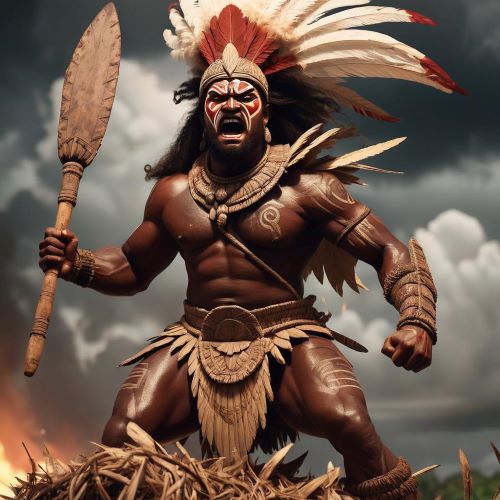
Mbulu is a significant figure in Fijian mythology, representing an important part of the cultural heritage of Fiji. This mythological figure is often associated with various tales that highlight the values, beliefs, and traditions of the Fijian people. The stories surrounding Mbulu have been passed down through generations, offering insight into the spiritual and social frameworks of Fijian society. These narratives not only entertain but also serve as moral lessons that guide individuals in their daily lives.
The Origins of Mbulu
The origins of Mbulu can be traced back to ancient Fijian culture, where oral traditions were the primary means of storytelling. Mbulu is often depicted as a deity or spirit that embodies the essence of nature and the forces that govern it. Many believe that Mbulu was born from the union of the earth and the sky, symbolizing the balance between different elements of the universe. This origin story reflects the deep connection the Fijians have with their environment, highlighting the importance of nature in their spiritual beliefs.
 Adi-mailagu
In various tales, Mbulu is described as having unique powers that allow him to control the weather and influence the growth of crops. This ability makes him a vital figure in agricultural societies, where the success of farming relies heavily on favorable weather conditions. The reverence for Mbulu is evident in the rituals and ceremonies performed to honor him, particularly during planting and harvesting seasons. Fijians believe that by paying respect to Mbulu, they can ensure a bountiful harvest and a harmonious relationship with the land.
Mbulu in Fijian Culture
Mbulu plays a crucial role in Fijian culture, serving as a symbol of strength and resilience. Many stories depict him as a protector of the land and its people, often intervening in times of crisis. This protective nature has led to the belief that invoking Mbulu’s name can bring safety and security. Fijians often share tales of how Mbulu has saved communities from natural disasters, such as floods or droughts, reinforcing the idea that he is a guardian spirit.
In addition to his protective qualities, Mbulu is also associated with the concept of community. Many stories emphasize the importance of working together and supporting one another, reflecting the communal values that are central to Fijian society. Festivals and gatherings often include references to Mbulu, showcasing his significance in bringing people together. These events serve not only as a celebration of culture but also as a reminder of the values that Mbulu represents.
 Ulupoka
Legends and Stories of Mbulu
There are numerous legends surrounding Mbulu, each offering a unique perspective on his character and significance. One popular tale tells of how Mbulu once descended from the heavens to assist a village suffering from a prolonged drought. The villagers prayed to Mbulu for rain, and in response, he appeared in the sky, bringing dark clouds and a torrential downpour. This story highlights Mbulu’s role as a benevolent figure who listens to the pleas of his people and acts on their behalf.
Another legend involves a conflict between Mbulu and a rival spirit who sought to disrupt the harmony of the land. This spirit brought chaos and destruction, leading to a battle between the two forces. Mbulu, with his wisdom and strength, ultimately triumphed, restoring peace to the community. This narrative serves as a metaphor for the struggles faced by the Fijian people and their resilience in overcoming challenges. It reinforces the belief that good will ultimately prevail, a theme that resonates deeply within Fijian culture.
The Symbolism of Mbulu
Mbulu is rich in symbolism, representing various aspects of life and nature. His connection to the elements, such as water and earth, signifies the importance of these resources in sustaining life. The stories of Mbulu often emphasize the need for balance and respect for the environment, teaching the importance of living in harmony with nature. Fijians believe that by honoring Mbulu, they acknowledge their dependence on the land and the necessity of preserving it for future generations.
 Turukawa
Furthermore, Mbulu symbolizes the values of courage and community. His tales often depict acts of bravery and selflessness, encouraging individuals to stand up for what is right and to support one another in times of need. This aspect of Mbulu’s character inspires Fijians to cultivate strong relationships within their communities, reinforcing the idea that collective strength can overcome adversity. The stories of Mbulu serve as a reminder that unity and cooperation are essential for the well-being of society.
Rituals and Practices Associated with Mbulu
In Fijian culture, various rituals and practices are performed to honor Mbulu and seek his blessings. One common practice is the offering of food and other gifts at sacred sites, where it is believed that Mbulu resides. These offerings are made with the hope of receiving his favor, particularly during times of agricultural planting or harvesting. The act of giving back to Mbulu is seen as a way of expressing gratitude for the resources and abundance provided by the land.
Another important ritual is the storytelling sessions that take place during community gatherings. Elders often recount the tales of Mbulu, sharing lessons and morals that are relevant to the current generation. These storytelling sessions not only preserve the mythology surrounding Mbulu but also strengthen community bonds. They provide an opportunity for younger generations to learn about their heritage and the values that define their identity as Fijians.
Mbulu in Contemporary Fijian Society
Today, the influence of Mbulu can still be felt in contemporary Fijian society. While modernization has brought about changes in lifestyle and beliefs, the core values associated with Mbulu remain relevant. Many Fijians continue to practice rituals and participate in festivals that celebrate their cultural heritage. This connection to the past serves as a source of pride and identity for the Fijian people, reminding them of their roots and the importance of their traditions.
Moreover, the stories of Mbulu are increasingly being incorporated into educational programs, ensuring that younger generations understand their cultural heritage. Schools often include lessons about Fijian mythology, emphasizing the significance of figures like Mbulu. This educational approach fosters a sense of pride in Fijian culture and encourages students to appreciate the values and teachings embedded in their mythology.
The Role of Mbulu in Environmental Stewardship
Mbulu’s connection to nature has made him a powerful symbol in the movement for environmental stewardship in Fiji. Many Fijians view the protection of the environment as a way to honor Mbulu and uphold the teachings of their ancestors. This perspective has led to various initiatives aimed at preserving natural resources and promoting sustainable practices within communities. Fijians believe that by caring for the land, they are respecting Mbulu and ensuring that future generations can continue to benefit from its abundance.
Efforts to engage local communities in conservation activities often include references to Mbulu, framing these initiatives within the context of cultural identity. For example, programs that focus on reforestation or marine conservation often highlight the importance of these efforts in relation to Fijian mythology. By linking environmental stewardship to the stories of Mbulu, communities are encouraged to take active roles in protecting their natural heritage, reinforcing the idea that caring for the earth is a collective responsibility.
Mbulu and Identity
The figure of Mbulu plays a vital role in shaping Fijian identity. For many Fijians, understanding and embracing their mythology is essential to their sense of self. The stories of Mbulu, with their rich symbolism and moral lessons, contribute to a collective identity that is rooted in tradition and cultural values. This connection to the past helps Fijians navigate the complexities of modern life while remaining grounded in their heritage.
Furthermore, Mbulu’s presence in cultural expressions, such as art, music, and dance, reinforces his significance in contemporary Fijian society. Artists often draw inspiration from the stories of Mbulu, creating works that celebrate their cultural heritage. These artistic expressions serve not only as a means of storytelling but also as a way to communicate the values associated with Mbulu to a broader audience. By showcasing their mythology through various forms of art, Fijians assert their identity and share their rich cultural narrative with the world.
Mbulu is a multifaceted figure in Fijian mythology, representing the interconnectedness of nature, community, and cultural identity. His stories and teachings continue to resonate with Fijians today, shaping their values and guiding their actions. Through rituals, storytelling, and artistic expressions, the legacy of Mbulu endures, reminding Fijians of the importance of honoring their past while navigating the future. The enduring significance of Mbulu in Fijian culture highlights the rich tapestry of mythology that continues to inspire and unite the people of Fiji.