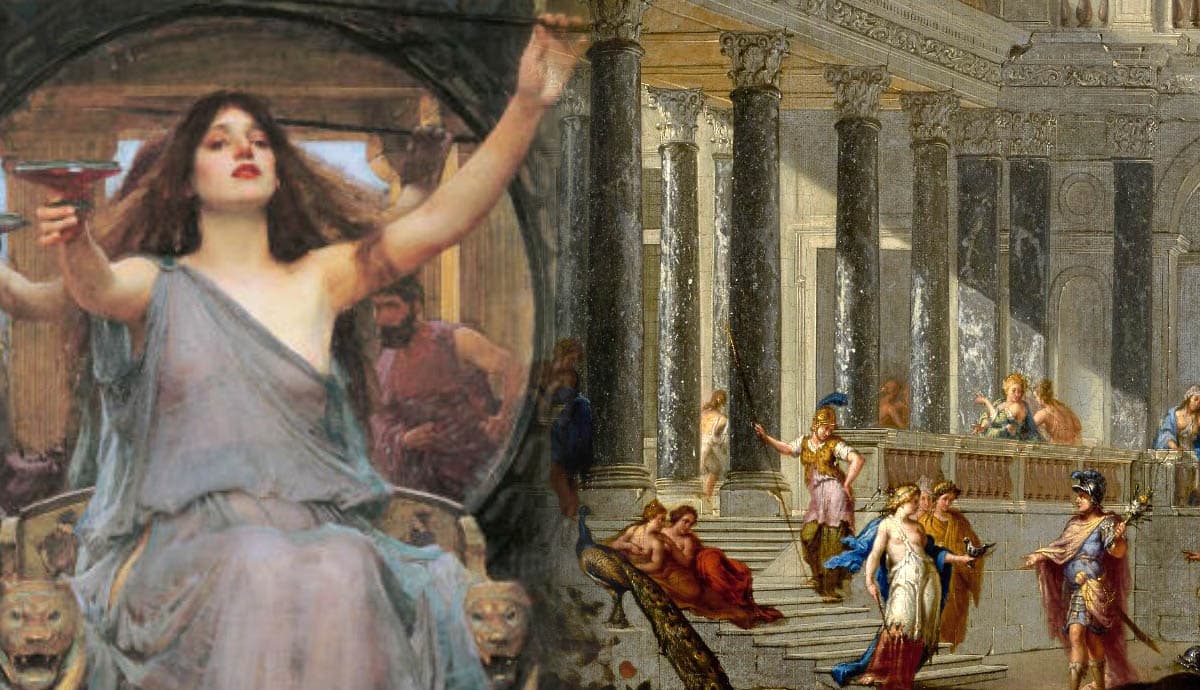
In Roman mythology, the term Marica is associated with a goddess revered primarily in the context of fertility and agriculture. The figure of Marica often embodies the natural world, reflecting the importance of nature in Roman culture. Her worship is intertwined with various agricultural practices, making her a significant deity for farmers and those reliant on the land. The Romans, known for their practical approach to religion, integrated Marica into their agricultural calendar, celebrating her during specific festivals that marked the seasons of planting and harvesting.
Origins and Etymology
The origins of Marica are somewhat obscure, but her name is believed to be derived from the Latin word maris, which relates to the sea or water. This connection to water suggests that Marica may have originally been a goddess of springs or rivers, linking her to the fertility of the land. Over time, her role evolved, and she became more associated with agriculture and the growth of crops. The etymology reflects the duality of her character, embodying both the nurturing aspects of water and the life-giving qualities of the earth.
 Mars
MarsAs Roman culture absorbed influences from neighboring civilizations, Marica’s character and significance may have been shaped by other deities. Some scholars suggest that her role could have been influenced by the Greek goddess Demeter, who was also associated with agriculture and the harvest. This blending of myths is common in Roman religion, where gods and goddesses often took on attributes from other cultures, creating a rich tapestry of beliefs and practices.
Marica in Roman Religion
In Roman religion, Marica was not as widely worshipped as some other deities, but she held a special place among rural communities. Her cult was particularly significant in areas where agriculture was the primary livelihood. Farmers would invoke her blessings to ensure bountiful harvests and to protect their crops from pests and diseases. Rituals dedicated to Marica often included offerings of food, wine, and flowers, emphasizing the connection between her and the fertility of the land.
The worship of Marica often included festivals that celebrated the changing seasons. These events were crucial for the agricultural calendar, marking the times for planting and harvesting. During these festivals, farmers would come together to perform rituals, sing songs, and share in communal meals, fostering a sense of community and shared purpose. The rituals were not only a way to honor Marica but also served to strengthen social bonds among the participants.
 Mater-matuta
Marica and Nature
Marica’s connection to nature is one of her most defining features. As a goddess of fertility, she symbolizes the cycle of life, growth, and renewal. The natural world is full of examples of her influence, from the blooming of flowers in spring to the ripening of crops in summer. Romans believed that by honoring Marica, they could ensure the health and productivity of their land, which was vital for their survival.
- Fertility of the Earth: Marica was often called upon to bless the soil, ensuring it was rich and fertile.
- Seasonal Cycles: Her worship was closely tied to the seasons, with rituals occurring at key agricultural moments.
- Natural Resources: Marica was seen as a protector of springs and rivers, emphasizing her role in providing water for crops.
Marica’s influence can also be seen in the way Romans viewed the environment around them. They believed that the land was alive and that the spirits of various deities inhabited it. This belief led to a deep respect for nature and a desire to live in harmony with the earth. Farmers would often take care to perform rituals that honored Marica, believing that their relationship with her would directly impact their agricultural success.
 Mena
MenaMarica in Literature and Art
Marica, like many Roman deities, found her way into literature and art. Although not as prominent as other gods, she appeared in various texts that celebrated the natural world and the changing seasons. Poets often invoked her name when describing the beauty of the countryside, linking her to the lush landscapes of rural Italy. These literary references helped to cement her place in the cultural consciousness of the Romans.
In art, Marica was sometimes depicted alongside other agricultural deities, highlighting her role in the pantheon. Artists often portrayed her in scenes of pastoral life, surrounded by crops and animals, emphasizing her connection to fertility and abundance. These representations served not only as religious symbols but also as reminders of the importance of agriculture in Roman society.
Marica and the Agricultural Calendar
The agricultural calendar in ancient Rome was marked by various festivals and rituals dedicated to deities like Marica. These events were crucial for ensuring successful harvests and maintaining the fertility of the land. Farmers would plan their activities around these festivals, aligning their planting and harvesting with the worship of Marica. The timing of these rituals was often based on the lunar calendar, which further emphasized the connection between nature and religious practice.
One of the key festivals associated with Marica was the Robigalia, celebrated in April. During this festival, farmers would make offerings to Marica to protect their crops from disease and blight. The rituals included sacrifices and prayers, all aimed at securing a good harvest. The significance of this festival underscores the reliance of Roman society on agriculture and the importance of divine favor in their agricultural practices.
Modern Interpretations of Marica
In modern times, the figure of Marica has been re-evaluated as scholars continue to explore the complexities of Roman mythology. Her role as a goddess of fertility and agriculture resonates with contemporary themes of environmentalism and sustainability. As society grapples with issues related to food production and land use, the ancient worship of deities like Marica offers insights into how past cultures viewed their relationship with nature.
Many people today are drawn to the idea of reconnecting with the land and understanding the importance of sustainable agricultural practices. The reverence for natural cycles and the acknowledgment of the earth’s resources found in the worship of Marica can inspire modern movements focused on environmental stewardship. This connection to the past highlights the ongoing relevance of ancient myths and their teachings.
Marica and Other Deities
Marica was not alone in the Roman pantheon; she was part of a larger network of deities associated with agriculture and fertility. Other gods and goddesses, such as Ceres and Pomona, shared similar attributes and responsibilities. Ceres, in particular, was the goddess of agriculture and grain, and her worship often overlapped with that of Marica. This interconnectedness of deities illustrates the Romans’ multifaceted approach to religion, where multiple gods could be called upon for various aspects of life.
The relationships between these deities often reflected the complexities of agricultural life. For example, while Marica was associated with fertility and the nurturing aspects of nature, Ceres represented the harvest and the bounty of the earth. Together, they formed a comprehensive understanding of the agricultural cycle, emphasizing the importance of both growth and harvest in the sustenance of Roman society.
Marica in Local Cultures
While Marica may not have been a widely recognized goddess throughout the Roman Empire, she held particular significance in certain local cultures. In regions where agriculture was the primary economic activity, her worship was more pronounced. Local traditions and customs surrounding her rituals often reflected the unique agricultural practices of those communities. These localized forms of worship contributed to the rich diversity of Roman religion.
In some areas, Marica was celebrated in conjunction with local festivals that honored the changing seasons and the fertility of the land. These celebrations often included music, dance, and communal feasting, reinforcing the sense of community among participants. Such local adaptations of Marica’s worship highlight the dynamic nature of Roman religion, where local customs and beliefs could coexist with the broader pantheon of deities.
Marica’s Legacy
The legacy of Marica continues to be felt in various ways. Her representation of fertility and agriculture resonates with contemporary discussions about sustainability and environmental responsibility. As modern society seeks to address challenges related to food production and land use, the principles embodied by Marica can serve as a source of inspiration. Her story reminds us of the importance of nurturing the earth and respecting the natural cycles that sustain life.
Furthermore, Marica’s presence in ancient texts and art provides valuable insights into the values and beliefs of Roman society. By studying her role and significance, scholars can better understand the cultural context of ancient Rome and its relationship with the natural world. The exploration of Marica’s character contributes to a broader understanding of mythology and its impact on human culture throughout history.