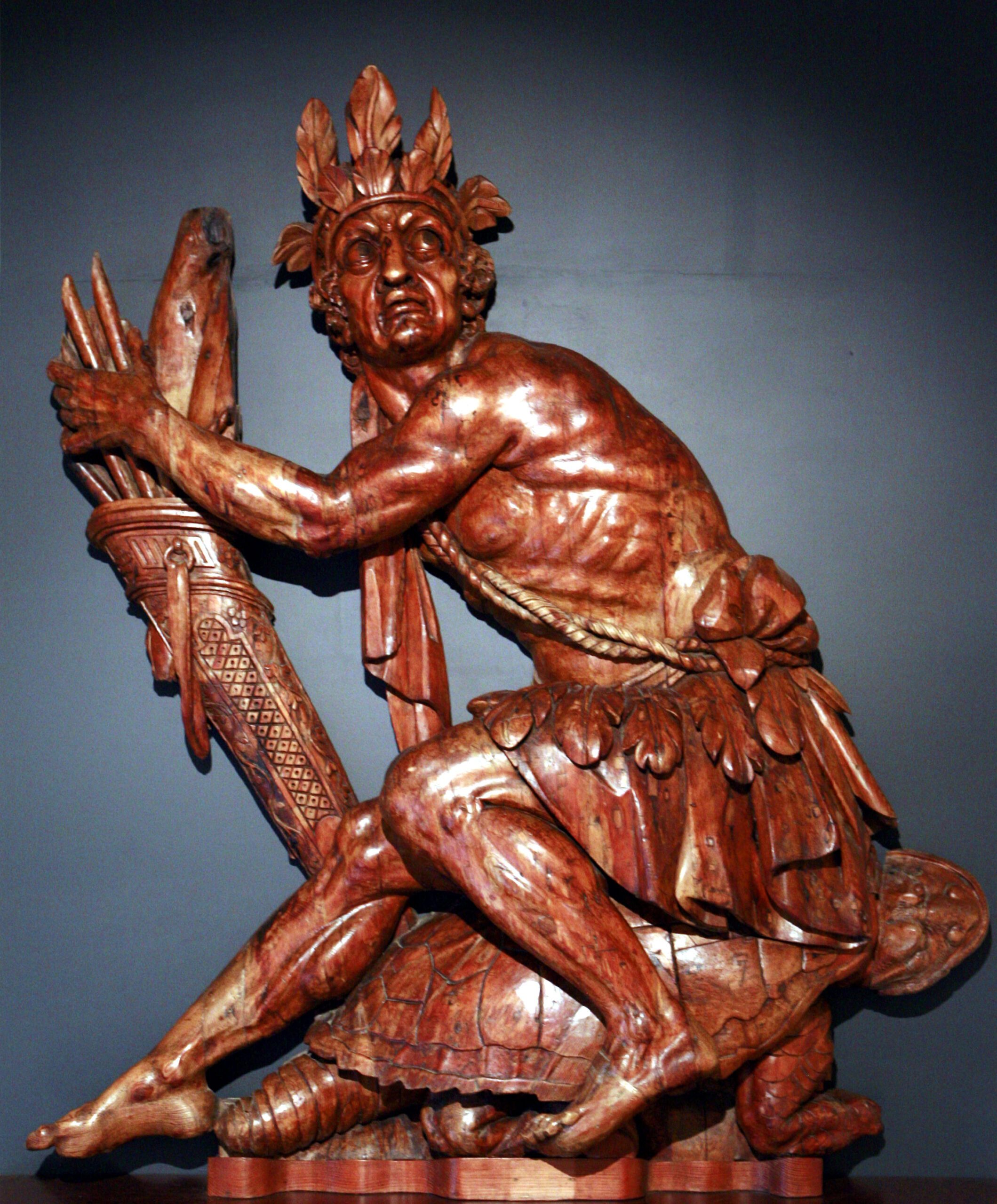
Ioskeha is a significant figure in Native American mythology, particularly among the Iroquois tribes. He is often considered a creator deity and is associated with the principles of life and growth. The stories of Ioskeha vary across different tribes, but many share common themes that highlight his role in the creation of the world and the balance of nature. This article will explore the myths surrounding Ioskeha, his characteristics, and his relationship with other deities, particularly his twin brother, Iouskeha.
Origins of Ioskeha
Ioskeha is often depicted as a powerful being who emerged from the spirit world. According to various Iroquois legends, he was born from the Sky Woman, who fell from the heavens and landed on the back of a giant turtle. This turtle became the Earth, and from this union, Ioskeha was born. His birth signifies the beginning of creation, as he is believed to have brought forth the first plants, animals, and humans. The importance of Ioskeha’s origins cannot be understated, as they represent the deep connection between the Iroquois people and the natural world.
 Ioi
IoiThe myths tell us that Ioskeha was gifted with various abilities that allowed him to shape the world. He had the power to create and destroy, which made him a complex character in the Iroquois pantheon. His role as a creator was often counterbalanced by his twin brother, Iouskeha, who represented chaos and destruction. This duality in their relationship symbolizes the balance of nature and the ongoing struggle between life and death, order and chaos.
The Creation Myths
The stories surrounding Ioskeha’s creation of the world are rich and varied. In one popular myth, Ioskeha created the first plants and animals to inhabit the Earth. He carefully designed each creature, ensuring that they had a place in the ecosystem. For example, he created the deer to roam the forests and provide sustenance for the people, while also creating the wolf to keep the deer population in check. This careful planning showcases Ioskeha’s understanding of ecosystems and the interconnectedness of all living things.
 Ictinike
Another tale tells of how Ioskeha created the seasons. He brought forth spring to awaken the Earth, summer to provide warmth and growth, autumn for harvest, and winter to allow the land to rest. Each season has its purpose, and this cycle is crucial for the survival of both nature and humanity. The Iroquois people celebrate these seasons through various ceremonies, honoring Ioskeha for his gifts and recognizing the importance of balance in their lives.
Ioskeha and His Twin Brother
The relationship between Ioskeha and his twin brother, Iouskeha, is a central theme in many myths. While Ioskeha embodies creation, Iouskeha represents destruction. This duality reflects the natural order of the world, where life and death coexist. The brothers often engage in a cosmic struggle, with Ioskeha striving to create harmony and abundance, while Iouskeha seeks to disrupt that balance.
- Conflict: Many stories illustrate their conflicts, with Iouskeha attempting to destroy what Ioskeha has built. These battles often result in natural disasters, such as floods or droughts, symbolizing the chaos that can arise when balance is disrupted.
- Reconciliation: Despite their conflicts, the myths also show moments of reconciliation. The brothers often come to understand that they need each other to maintain balance in the world. This understanding is crucial for the Iroquois, as it teaches the importance of harmony and cooperation.
The stories of Ioskeha and Iouskeha serve as a reminder of the duality present in all aspects of life. The Iroquois believe that both creation and destruction are necessary for the continuation of life. This belief is reflected in their rituals and practices, which often honor both brothers equally.
 Hayicanako
Ioskeha in Iroquois Culture
Ioskeha holds a special place in Iroquois culture and spirituality. He is often invoked in rituals and ceremonies that celebrate the changing seasons and the cycles of life. The Iroquois people have a deep respect for the natural world, and their traditions often reflect this reverence. By honoring Ioskeha, they acknowledge the gifts he has provided and the importance of living in harmony with nature.
One of the most significant ceremonies is the Green Corn Festival, which marks the beginning of the harvest season. During this festival, the Iroquois give thanks to Ioskeha for the bounty of the land and ask for his continued blessings. The celebration includes feasting, dancing, and various rituals that emphasize gratitude and community. This event highlights the connection between Ioskeha and the sustenance provided by the Earth.
Symbolism of Ioskeha
Ioskeha is often associated with various symbols that represent his attributes and powers. One of the most prominent symbols is the corn plant, which signifies sustenance and life. Corn is a staple food for many Native American tribes, and its growth is directly linked to Ioskeha’s influence. The corn plant embodies the cycle of life, as it grows, matures, and eventually provides nourishment for the people.
Another important symbol associated with Ioskeha is the turtle. In many creation stories, the Earth is said to rest on the back of a giant turtle, representing stability and support. The turtle symbolizes the connection between the Earth and the spiritual realm, reminding the Iroquois of the importance of their relationship with nature. Ioskeha’s connection to the turtle emphasizes his role as a creator and protector of the Earth.
Modern Interpretations of Ioskeha
In contemporary times, the stories of Ioskeha continue to be relevant for the Iroquois people and others interested in Native American mythology. Many Native American artists, writers, and scholars have sought to reinterpret these myths, bringing them into modern contexts. This reinterpretation helps to keep the stories alive and relevant for new generations, allowing the teachings of Ioskeha to resonate with contemporary audiences.
Moreover, the themes of balance and harmony found in Ioskeha’s myths can be applied to modern environmental issues. As society grapples with the consequences of climate change and environmental degradation, the lessons from Ioskeha’s stories serve as a reminder of the importance of respecting and caring for the natural world. The Iroquois belief in the interconnectedness of all living things can inspire individuals and communities to take action in preserving the Earth.
The figure of Ioskeha in Native American mythology represents the vital connection between humanity and the natural world. Through his stories, the Iroquois teach the importance of balance, harmony, and respect for the environment. As the world faces significant challenges, the teachings of Ioskeha remain as relevant today as they were centuries ago. By understanding and honoring these myths, we can foster a greater appreciation for the beauty and complexity of the world around us.