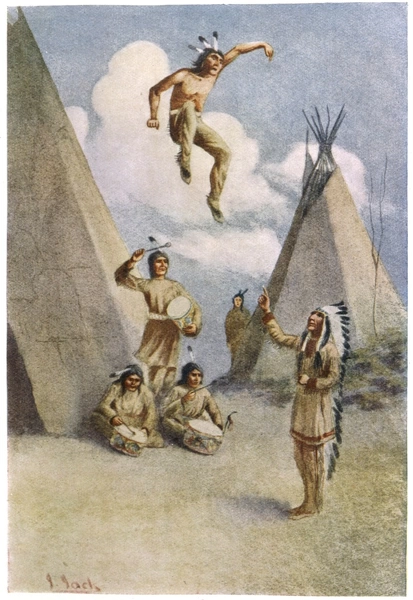
Ictinike is a significant figure in Native American mythology, particularly among the Sioux and other tribes of the Great Plains. This character is often portrayed as a trickster, embodying the dual nature of both wisdom and foolishness. Ictinike’s stories serve not only to entertain but also to convey important lessons about life, morality, and the complexities of human behavior. As we delve into the rich tapestry of Ictinike’s mythology, we will explore his characteristics, the themes present in his tales, and the cultural significance he holds for various Native American communities.
The Characteristics of Ictinike
Ictinike is often depicted as a cunning and clever character. He possesses the ability to outsmart others, using his wit and intelligence to navigate through challenging situations. This cleverness is a hallmark of many trickster figures in mythology, who often find themselves in precarious situations due to their own actions or the actions of others. Despite his intelligence, Ictinike’s decisions can lead to chaos and disorder, reflecting the unpredictable nature of life itself.
 Hayicanako
In many stories, Ictinike is described as a shape-shifter, able to change his form at will. This ability allows him to deceive others and escape from tricky situations. Shape-shifting is a common theme in Native American mythology, representing the fluidity of identity and the idea that appearances can be misleading. Ictinike’s transformations often serve as a metaphor for the changing nature of life and the importance of adaptability.
Another notable characteristic of Ictinike is his playfulness. He often engages in mischievous acts that can be humorous or absurd. This playfulness not only entertains but also serves a deeper purpose. By engaging in foolish behavior, Ictinike challenges societal norms and expectations, prompting individuals to question their beliefs and the status quo. His antics often lead to unexpected consequences, illustrating the idea that actions have repercussions.
The Themes in Ictinike’s Stories
The stories of Ictinike are rich with themes that resonate deeply within Native American culture. One of the most prominent themes is the idea of balance. Ictinike embodies both wisdom and foolishness, demonstrating that life is a delicate balance of opposites. This theme is crucial in Native American philosophy, where harmony with nature and oneself is highly valued. Ictinike’s actions often illustrate the consequences of disrupting this balance, serving as a cautionary tale for those who stray too far from the path of equilibrium.
 Gudratrigakwitl
Another significant theme is the concept of humility. Many stories featuring Ictinike emphasize the importance of recognizing one’s limitations and the folly of arrogance. Ictinike’s cleverness often leads him into situations where he must confront his own shortcomings. These narratives remind listeners that no one is infallible and that wisdom often comes from acknowledging one’s mistakes. The humility displayed by Ictinike serves as a valuable lesson for individuals seeking to grow and learn from their experiences.
Additionally, Ictinike’s tales frequently explore the theme of community and relationships. His interactions with other characters often reveal the complexities of social dynamics, highlighting the importance of cooperation and understanding. Through his trickster antics, Ictinike teaches valuable lessons about trust, loyalty, and the consequences of betrayal. These themes are vital in Native American cultures, where communal bonds and relationships are foundational to societal structure.
 Whee-me-me-ow-ah
Cultural Significance of Ictinike
Ictinike holds a significant place in the cultural heritage of various Native American tribes. His stories have been passed down through generations, serving as a means of preserving history and tradition. The tales of Ictinike not only entertain but also educate younger generations about the values and beliefs of their ancestors. In this way, Ictinike functions as a cultural bridge, connecting the past with the present and ensuring that important lessons are not forgotten.
Moreover, Ictinike’s character reflects the broader role of trickster figures in Native American mythology. Tricksters often serve as agents of change, challenging societal norms and encouraging individuals to think critically about their actions and beliefs. By embodying both wisdom and folly, Ictinike reminds listeners that life is not always straightforward and that one must navigate the complexities of existence with care and thoughtfulness.
The cultural significance of Ictinike extends beyond storytelling; it encompasses rituals, art, and community gatherings. Ictinike’s stories are often told during important ceremonies, reinforcing communal bonds and shared values. His image may be depicted in various forms of art, from traditional paintings to modern interpretations, highlighting the ongoing relevance of his character in contemporary Native American culture. Through these expressions, Ictinike continues to inspire and resonate with people, demonstrating the enduring power of mythology.
Modern Interpretations of Ictinike
In recent years, Ictinike has gained recognition beyond traditional storytelling. Contemporary artists, writers, and filmmakers have begun to explore his character in new and innovative ways. These modern interpretations often seek to highlight the relevance of Ictinike’s stories in today’s society, addressing contemporary issues through the lens of mythology. By reimagining Ictinike, creators can engage with audiences in meaningful ways, bridging the gap between ancient tales and modern experiences.
One common theme in modern interpretations is the exploration of identity and cultural heritage. Many contemporary creators draw upon Ictinike’s shape-shifting abilities to comment on the complexities of identity in a multicultural world. This perspective encourages individuals to embrace their diverse backgrounds and recognize the fluid nature of identity. By using Ictinike as a symbol of adaptability and change, artists can inspire audiences to reflect on their own experiences and relationships with culture.
Furthermore, modern interpretations of Ictinike often emphasize the importance of environmental stewardship and connection to nature. Many stories highlight Ictinike’s relationship with the natural world, showcasing the balance that exists between humanity and the environment. In an age of climate change and ecological crisis, these themes resonate strongly, urging individuals to reflect on their impact on the planet and the importance of sustainable practices. Through Ictinike’s lens, contemporary creators can inspire a new generation to engage with environmental issues in a thoughtful and meaningful way.
Ictinike in Education
The stories of Ictinike have found their way into educational settings, where they are used to teach students about Native American culture, mythology, and values. Educators often incorporate Ictinike’s tales into their curriculum to provide students with a broader understanding of the diversity of human experience. By engaging with these stories, students can learn about the importance of community, humility, and balance, which are essential values in many cultures.
Moreover, Ictinike’s character provides an opportunity for discussions about morality and ethical decision-making. The lessons embedded in his stories encourage students to think critically about their choices and the potential consequences of their actions. This reflective approach to learning fosters a sense of responsibility and awareness, empowering students to make informed decisions in their lives.
Additionally, incorporating Ictinike’s tales into education promotes cultural awareness and appreciation. By exposing students to the richness of Native American mythology, educators can help combat stereotypes and misconceptions about Indigenous cultures. This understanding is crucial in fostering respect and empathy among diverse groups, ultimately contributing to a more inclusive society. Through the lens of Ictinike, students can gain valuable insights into the complexities of culture and identity.
Ictinike stands as a powerful figure in Native American mythology, embodying the complexities of human behavior through his role as a trickster. His stories are rich with themes of balance, humility, and community, serving as valuable lessons for individuals navigating the intricacies of life. The cultural significance of Ictinike extends beyond traditional storytelling, influencing modern interpretations and educational practices. As we continue to explore and engage with Ictinike’s character, we can gain a deeper understanding of the values and beliefs that shape Native American cultures.