
In Thai mythology, Indrachit is a significant figure, often depicted as a powerful warrior and the son of the god Indra. He is best known for his role in the epic poem, the Ramakien, which is the Thai version of the Indian Ramayana. Indrachit, also known as Meghnath in the original Ramayana, is revered for his strength and magical abilities. His character is multifaceted, embodying both the traits of a devoted son and a fierce adversary. Throughout the Ramakien, Indrachit’s actions and decisions are pivotal to the unfolding of the narrative, showcasing the rich tapestry of Thai mythology.
Background of Indrachit
The story of Indrachit is deeply rooted in the ancient texts of the Ramayana. In this epic, he is the son of Ravana, the king of Lanka, and Mandodari, who is often portrayed as a wise and compassionate queen. Indrachit is not only a prince but also a formidable warrior, known for his strategic mind and unparalleled combat skills. His lineage connects him to the divine, as his father Ravana is a powerful demon king, and his mother is a celestial being. This unique heritage grants Indrachit extraordinary powers, which he uses to defend his kingdom against the invading forces of Lord Rama.
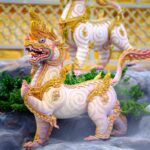 Himmapan
Indrachit’s character is often seen as a tragic hero. He possesses a strong sense of duty towards his family and his kingdom, yet he is also caught in the web of destiny. His skills in warfare and magic make him a central figure in the conflicts that arise in the Ramakien. The duality of his nature—being both a protector and a challenger—adds depth to his character, making him relatable to many who study Thai mythology.
Indrachit’s Powers and Abilities
One of the most striking aspects of Indrachit is his vast array of powers. He is known for his mastery of illusion magic, which allows him to create formidable challenges for his enemies. This ability to manipulate reality gives him a significant advantage in battles, as he can deceive his opponents and turn the tide of war in favor of his allies. His magical prowess is often complemented by his exceptional combat skills, making him a well-rounded warrior.
- Illusion Magic: Indrachit can create illusions that confuse and mislead his enemies.
- Archery Skills: He is an expert archer, known for his accuracy and speed.
- Strategic Mind: Indrachit is a brilliant tactician, able to devise complex battle plans.
Furthermore, Indrachit wields a powerful weapon known as the Vajra, which is a divine thunderbolt that symbolizes his connection to the god Indra. This weapon not only enhances his physical strength but also embodies the authority of the heavens. The combination of his magical abilities and divine weaponry makes Indrachit one of the most formidable characters in the Ramakien, feared by many and respected by all.
 Ananta Thewi
Indrachit in the Ramakien
In the Ramakien, Indrachit plays a crucial role in the conflicts between the forces of Rama and the demons of Lanka. His initial appearances are marked by a sense of duty to protect his father and his kingdom. He fiercely defends Lanka against Rama’s army, showcasing his skills and determination. However, as the story progresses, Indrachit’s character becomes more complex. He faces moral dilemmas that challenge his loyalty to his father and his understanding of righteousness.
One of the most notable episodes involving Indrachit is the battle between him and Hanuman, the monkey god and a key ally of Rama. During this confrontation, Indrachit uses his magical abilities to create illusions that confuse Hanuman. Despite his efforts, Hanuman’s unwavering resolve and strength allow him to overcome Indrachit’s tricks. This battle not only highlights Indrachit’s prowess but also sets the stage for his eventual downfall, illustrating the theme of fate that permeates the Ramakien.
 Agat-talai
The Tragic Fate of Indrachit
As the story unfolds, Indrachit’s fate takes a tragic turn. Despite his immense power and skills, he is ultimately defeated by Rama, who is guided by divine will and righteousness. Indrachit’s death is portrayed as a significant loss for his family and the kingdom of Lanka. His demise serves as a poignant reminder of the consequences of pride and the inevitability of fate. This aspect of his story resonates with many, as it reflects the universal themes of struggle, sacrifice, and the search for meaning in life.
The aftermath of Indrachit’s defeat is felt deeply by his family, especially by Ravana, who mourns the loss of his son. This emotional turmoil adds another layer to Indrachit’s character, showcasing the human side of a warrior who, despite his strengths, is ultimately vulnerable to the forces of destiny. His tragic end serves as a catalyst for the events that follow in the Ramakien, emphasizing the interconnectedness of all characters within the narrative.
Symbolism of Indrachit
Indrachit is rich in symbolism, representing various themes within Thai mythology. He embodies the struggle between good and evil, loyalty and duty, as well as the complexities of human emotions. His character illustrates the idea that even the mightiest warriors can fall, highlighting the fragility of power and the importance of humility. This duality makes him a relatable figure, as many can see aspects of their own struggles reflected in his story.
Moreover, Indrachit symbolizes the conflict between familial loyalty and moral righteousness. Throughout the Ramakien, he grapples with his loyalty to his father Ravana and the understanding of what is right. This internal conflict is a powerful narrative device that resonates with audiences, prompting them to reflect on their own values and beliefs. Indrachit’s journey serves as a reminder that choices often have profound consequences, shaping not only our destinies but also the lives of those around us.
Indrachit in Thai Culture
The legacy of Indrachit extends beyond the pages of the Ramakien. He is a figure celebrated in various forms of Thai art, literature, and performance. Traditional Thai dance and theater often depict his character, showcasing his valor and tragic fate. These performances serve as a means of preserving cultural heritage, allowing new generations to connect with the rich stories of their ancestors.
In addition to the performing arts, Indrachit’s image can be found in various artistic representations, including paintings and sculptures. These artworks often capture his essence as a powerful warrior, highlighting his strength and the intricate details of his armor and weaponry. Such depictions not only celebrate his character but also serve as a reminder of the moral lessons embedded in his story.
Lessons from Indrachit’s Story
The story of Indrachit offers valuable lessons that resonate with audiences today. One of the most significant messages is the importance of understanding the consequences of one’s actions. Indrachit’s journey illustrates how pride and the desire for power can lead to downfall. This theme encourages individuals to reflect on their own lives and the choices they make, promoting a sense of humility and responsibility.
Another important lesson is the complexity of loyalty. Indrachit’s internal struggle between his duty to his family and the greater good highlights the challenges individuals face when navigating personal relationships and moral dilemmas. This aspect of his story encourages empathy and understanding, reminding us that everyone faces difficult choices in their lives.
Indrachit is a captivating figure in Thai mythology, representing the complexities of human nature and the eternal struggle between good and evil. His story is rich with themes of power, loyalty, and destiny, making it a timeless tale that continues to resonate with audiences. Through his character, we are reminded of the importance of humility, empathy, and the profound impact of our choices.